India's Ethanol Fuel Tax Exemption: A Boost for Biofuels
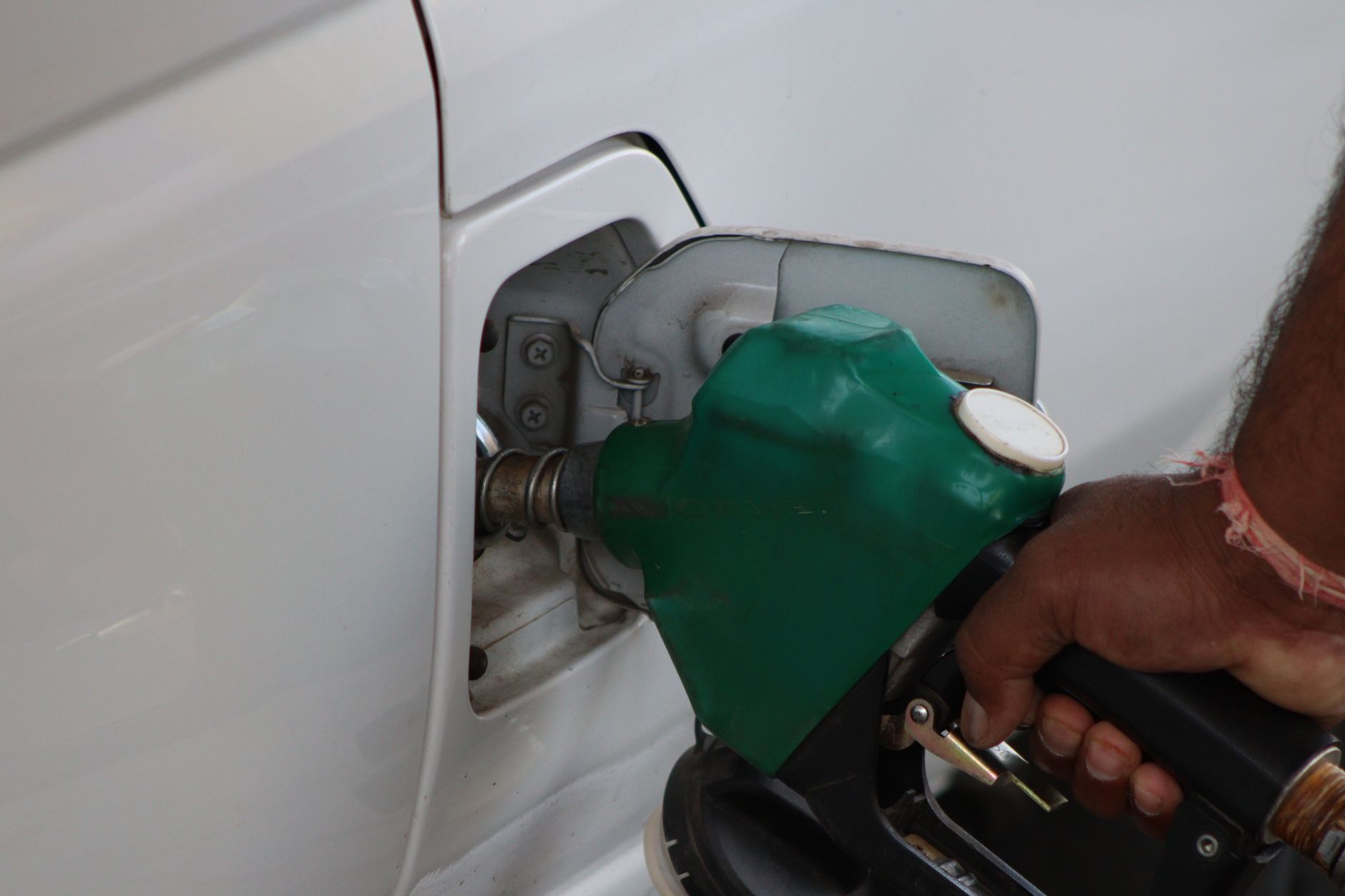
The Indian government has made a bold step by exempting petrol blended with higher ethanol content from excise duty. This decision, announced by the Ministry of Finance, encompasses petrol with ethanol levels of 22%, 25%, 27%, and 30%. The move, while a clear signal of India's commitment to bolstering its biofuel programme, also aims to mitigate the country's dependence on imported crude oil.
For the average consumer, the immediate question is whether this will translate into lower costs at the pump. Theoretically, removing the central excise duty—currently around Rs 11.90 per litre—should provide room for pricing adjustments. Yet, the situation is not as straightforward. Ethanol-blended fuels can affect vehicle mileage, with potential reductions in efficiency ranging from 3% to 10%, depending on the vehicle's make and model.
However, the broader implications of this policy extend beyond immediate cost savings. The initiative aligns with global sustainability efforts, encouraging the use of renewable energy sources. By promoting ethanol, a cleaner-burning fuel, India takes another step towards reducing its carbon footprint, a crucial aspect in the fight against climate change.
This isn't just a win for environmental advocates. The policy could invigorate domestic agriculture, as ethanol is often derived from crops like sugarcane. Farmers could see increased demand for such crops, potentially leading to better economic outcomes in rural areas.
In conclusion, while the excise duty removal on higher ethanol fuel blends may not immediately revolutionise pricing at the pump, it represents a strategic shift towards a more sustainable energy future. The true measure of its success will depend on consumer acceptance, vehicle compatibility, and the ability to scale up ethanol production efficiently.