India's First IIT Celebrates 75 Years Amidst Political Reflections
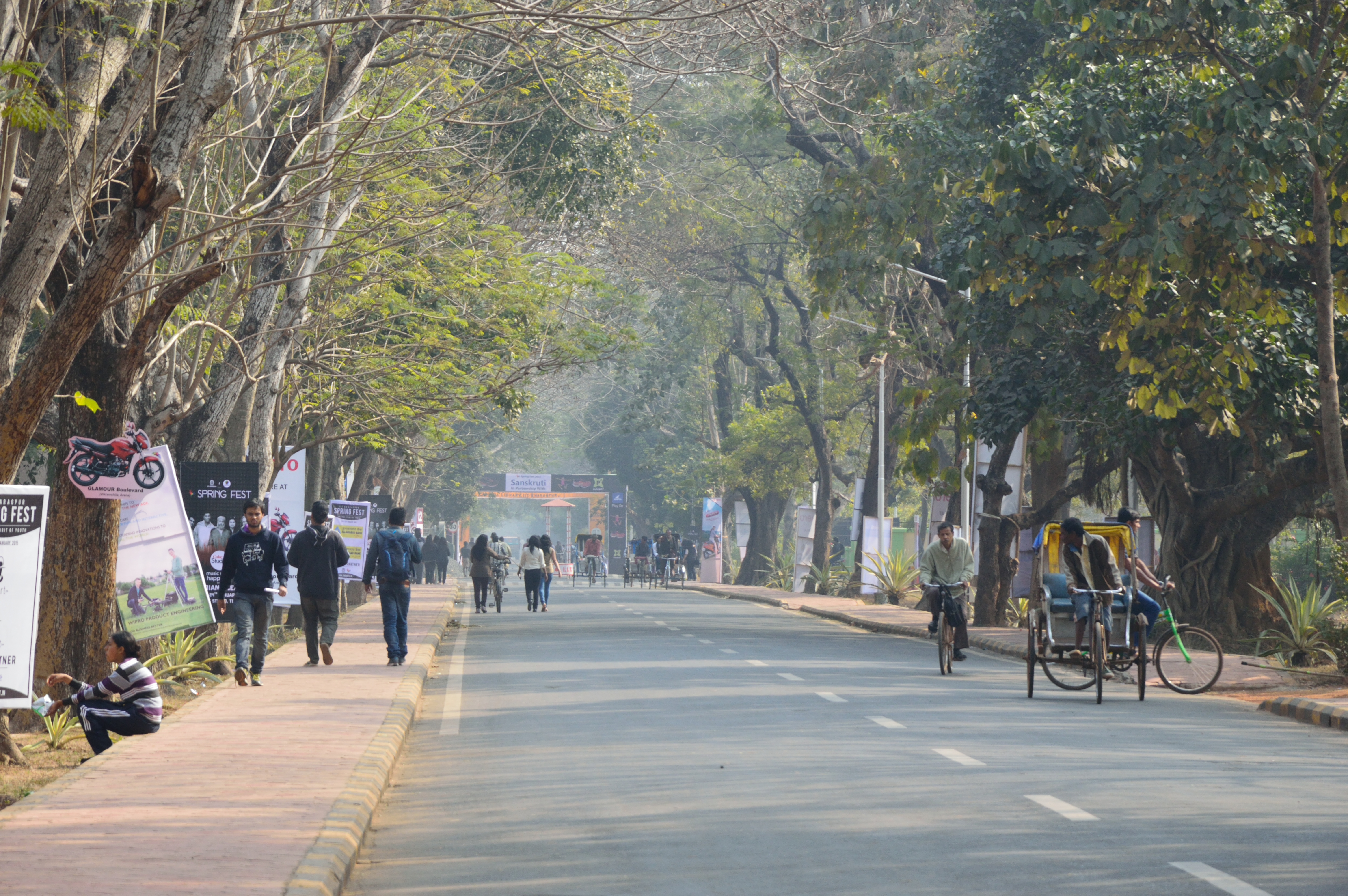
In the grandeur of its Platinum Jubilee, IIT Kharagpur, the first of its kind in India, found itself at the crossroads of commemoration and contemplation. The convocation ceremony, initially intended to celebrate 75 years of pioneering education, became a stage for political discourse, echoing the complexities facing India's higher education system.
Amidst the ceremonial pomp, the keynote speech took an unexpected turn, addressing not only the institute's illustrious past but also the present political climate. The speaker, a prominent political figure, used the platform to discuss India's strategic goals, hinting at the need for educational reforms and greater alignment with national priorities. Though the remarks celebrated the technological strides made possible by institutions like IIT Kharagpur, they also underscored challenges such as resource allocation and the pressure to produce industry-ready graduates.
A Historical Legacy with Modern Challenges
Established in 1951 under the visionary leadership of Prime Minister Jawaharlal Nehru, IIT Kharagpur was more than just an educational institution—it was a testament to India's aspirations for scientific and technological self-reliance. As it marks its 75th year, the institute looks towards ambitious goals, such as achieving a net-zero carbon campus by 2030 and positioning itself as a Centre of Excellence in emerging fields like Quantum Technology.
These initiatives are part of the broader 'Future Ready India @100' vision, aligning with the national agenda of transforming India into a developed nation by 2047. However, the convocation highlighted the tension between celebrating past achievements and addressing the looming question of how these historic institutions can evolve to meet future demands.
Political Undertones and Public Perception
The political speech delivered during the convocation did not go unnoticed. It sparked a flurry of discussions among attendees and commentators alike, questioning the role of political narratives in academic settings. Some viewed it as an essential dialogue bridging academia and policy-making, while others criticised it as an intrusion into a space meant for academic celebration.
As IIT Kharagpur stands at the confluence of tradition and transformation, it faces the dual challenge of maintaining its legacy while adapting to the rapid changes in global education trends. The Platinum Jubilee convocation served as a reminder that the journey of India’s first IIT is as much about its past as it is about navigating the uncharted waters of the future.