India's Geothermal Promise: Homegrown Innovations Take Centre Stage
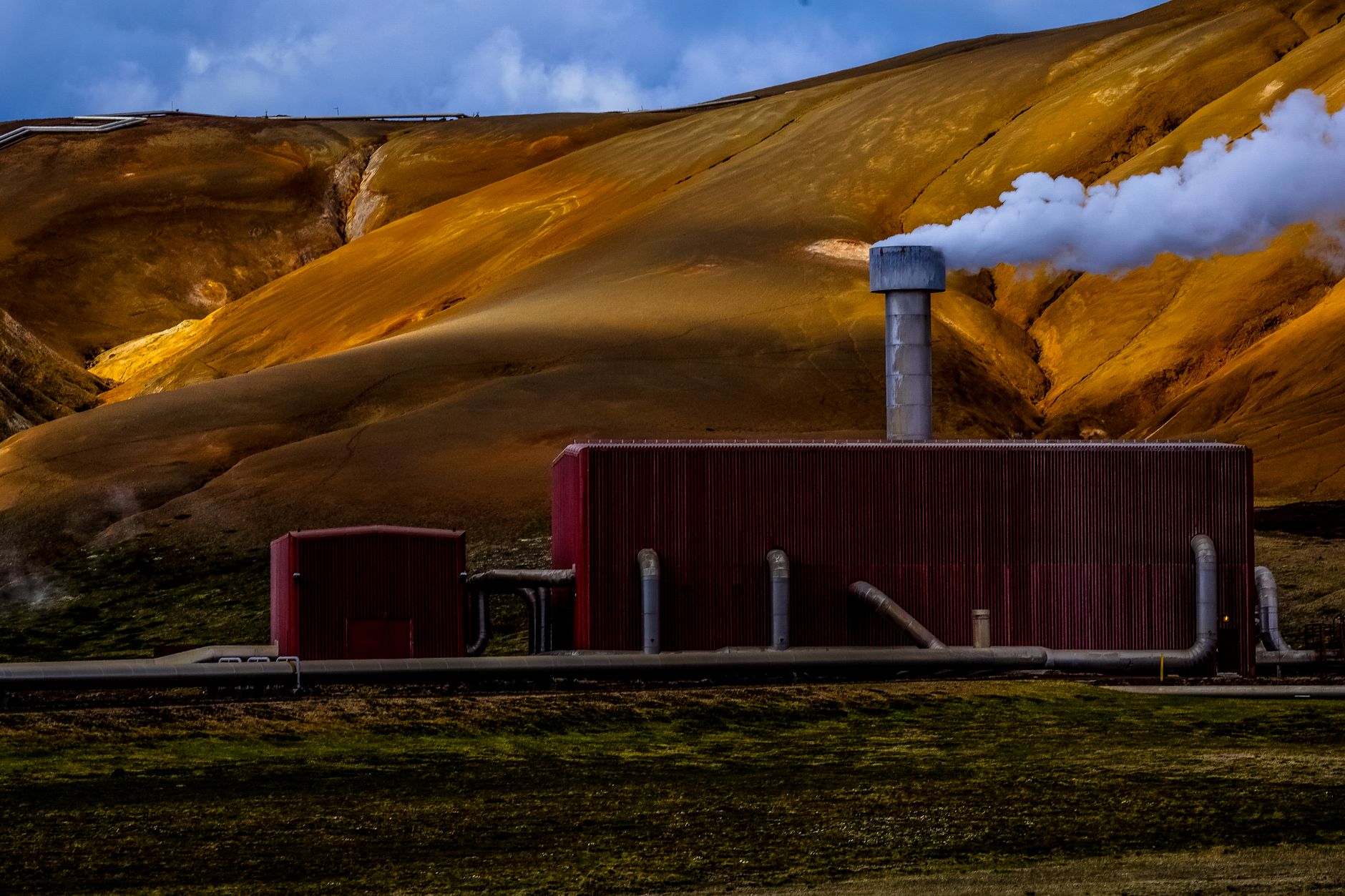
In the rugged hills of Dirang, a quiet revolution is underway. For the first time, the drills have pierced the earth to tap into the seething geothermal energy below. This venture, led by the Centre for Energy Studies and Himalayan Sustainability (CESHS), marks a critical moment for India's energy aspirations.
While geothermal reserves have long slumbered beneath the surface, the recent activities in West Kameng district signal a new chapter. By focusing on homegrown technology, India is poised to unlock a cleaner energy source, potentially transforming its energy landscape.
The Potential and the Promise
India's geothermal provinces, spanning the breadth of the nation, hold an estimated potential of 10,600 MW. Yet, experts cautiously assert that only about 100 MW is currently viable. The push towards geothermal is not merely about numbers but about diversifying energy sources in a sustainable way.
Karthik Ganesan, a fellow at CEEW, underscores the importance of geothermal energy's stability amidst erratic weather patterns and its minimal environmental footprint. As India transitions to cleaner energy, geothermal offers a local and resilient option.
Technological Innovation at the Helm
The exploration in Dirang and the proposed project in Tawang are testaments to India's technological strides. These projects aim for direct-use applications, like space heating, and the potential generation of 0.25-1 MW of electricity. By employing indigenous technology, India not only aims for energy independence but also paves the path for economic viability through mineral by-products such as lithium and borax.
The Ministry of New and Renewable Energy's pilot projects further aim to map geothermal sites and deploy advanced technologies like Enhanced Geothermal Systems (EGS) and ground-source heat pumps.
As the world increasingly turns to sustainable energy, India's emphasis on homegrown geothermal technology could position it as a leader, demonstrating that innovation need not be imported, but cultivated at home.