India's Geothermal Revolution: Homegrown Tech on the Horizon
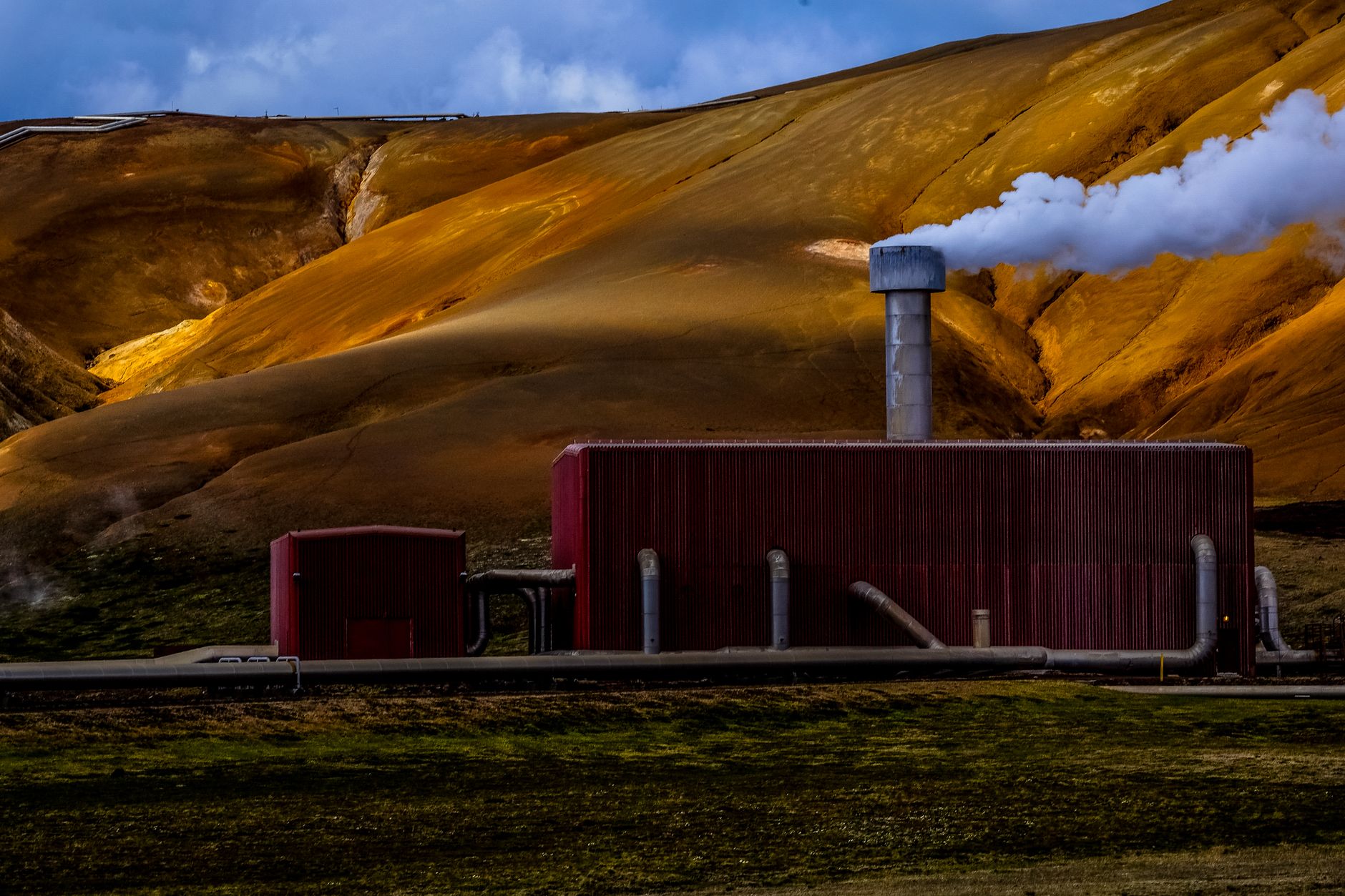
Amidst the cacophony of India's energy sector, a quiet revolution stirs beneath its feet. Geothermal energy, a largely untapped reservoir of potential, promises to not only diversify the nation's energy mix but also to anchor it firmly in sustainability. The potential is staggering — an estimated 10,600 megawatts lie dormant, waiting to be harnessed.
Yet, despite this promise, experts remain cautious. Realistically, only a fraction — around 100 megawatts — appears immediately feasible. Still, in a country grappling with burgeoning power demands and frequent supply disruptions, even this modest capacity could make a significant difference.
The Role of Technology
The key to unlocking this geothermal treasure lies in technology. Homegrown innovations, particularly in Ground Source Heat Pumps (GSHP) and Enhanced Geothermal Systems (EGS), are set to play a pivotal role. These technologies exploit stable underground temperatures, providing a reliable source of heat and power unaffected by climatic whims.
Moreover, integrating advanced geothermal systems with solar technologies could revolutionise how India approaches its energy challenges. Such hybrid solutions are not only cost-effective but also enhance energy security — a pressing priority for a nation keen on reducing its dependency on imported fuels.
Strategic Exploration and Economic Viability
Recent government initiatives aim to accelerate the mapping of geothermal sites across ten identified provinces. This exploration is crucial; it paves the way for pilot projects under the Ministry of New and Renewable Energy (MNRE), where cutting-edge geothermal technologies can be deployed and tested.
Economic viability is another arrow in the geothermal quiver. The extraction of valuable minerals, such as lithium and cesium, as by-products of geothermal energy production, could offset costs and reduce tariffs, making geothermal projects more attractive to investors.
As India charts its course towards a greener future, geothermal energy stands out not only as an alternative but as a necessity. It offers a stable, low-carbon source of power that complements the country's ambitious clean energy targets. And with the right technological and strategic investments, India could very well lead a geothermal revolution.