India's Gold Duty Hike: Safeguarding Forex and the Rupee
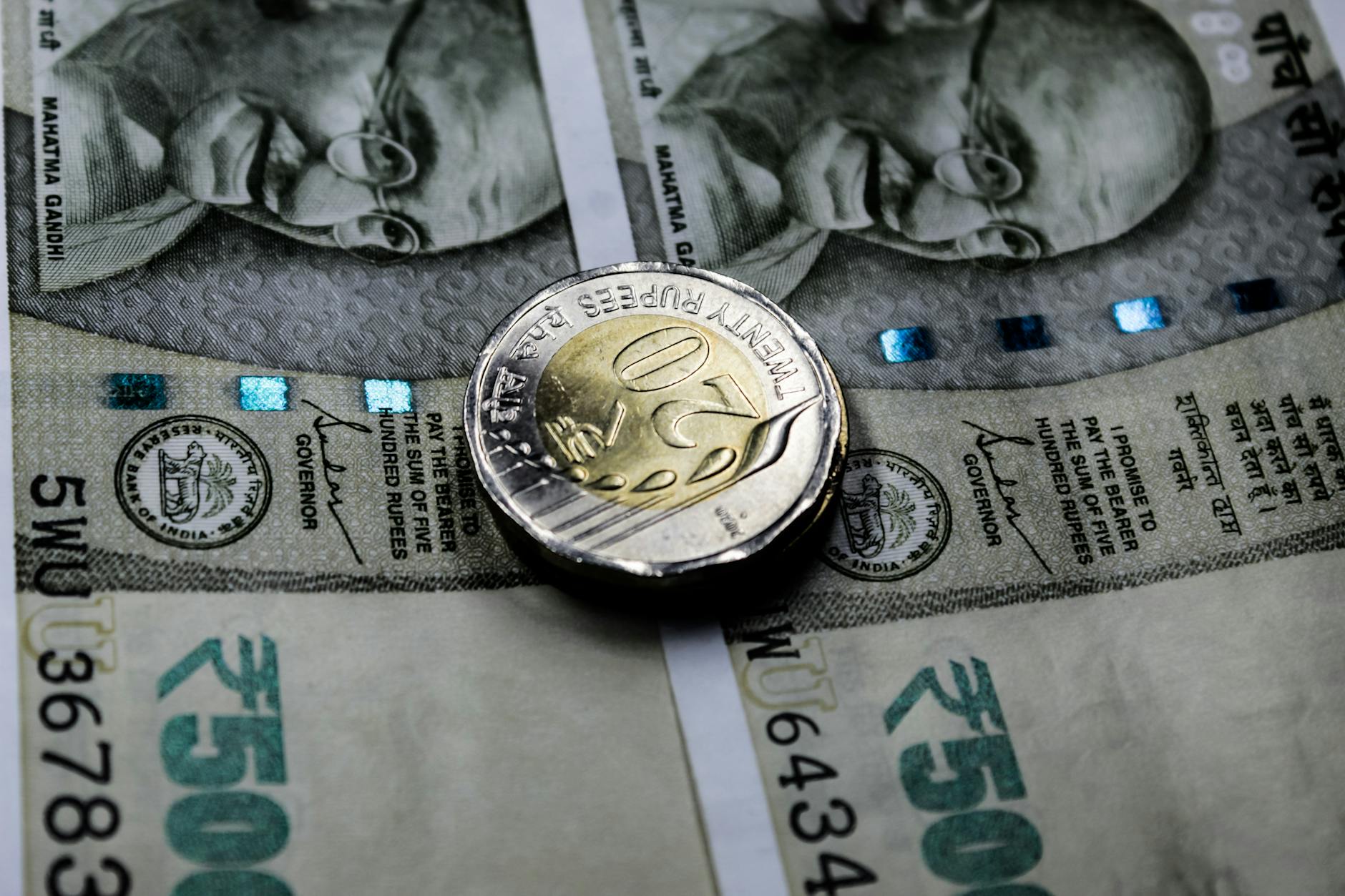
As the global economy trembles under the weight of uncertainty, India has taken a bold step to safeguard its financial landscape. The government has announced an increase in import duties on gold, raising them to 15%. This measure, while ostensibly targeting gold, serves a broader economic purpose: to protect the nation’s dwindling foreign exchange reserves and support the beleaguered rupee.
India’s appetite for gold is legendary, with the precious metal deeply entwined in cultural and religious practices. However, this fondness comes at a cost. The nation, one of the world’s largest importers of gold, has seen its trade deficit widen, placing additional strain on its foreign exchange reserves. By increasing the duty, the government hopes to curb gold imports, thus preserving these reserves for more essential commodities like crude oil, of which India imports a staggering 88% of its needs.
Impact on the Rupee and Trade Deficit
The timing of this decision is crucial. The rupee has been under pressure, sliding against the dollar amidst global economic volatility. By curtailing gold imports, the government aims to reduce the current account deficit, providing much-needed support to the national currency. A stronger rupee can help stabilise prices and boost investor confidence, crucial for an economy navigating post-pandemic recovery.
For consumers, however, the immediate impact is less favourable. Gold, already a costly investment, will become even pricier. This could dampen demand, especially in a market sensitive to price changes. Yet, in the long run, this reduced demand could help stabilise the economy by narrowing the trade deficit.
What It Means for the Public
While this move is largely seen as a defensive measure, it holds significant implications for the average consumer. The increased cost of gold will likely affect jewellery purchases, a staple in Indian weddings and festivals. Investors too might find themselves reconsidering gold as a safe haven asset amidst rising costs.
In the grand scheme, this policy is a reminder of the delicate balancing act that India must perform. It highlights the tension between cultural traditions and economic realities, a dance that the country must navigate carefully to ensure sustainable growth.