India's Health in Focus: Insights from NFHS-6
In a nation as vast and varied as India, health surveys are more than just statistical exercises; they are vital instruments for understanding the pulse of the population. The recently unveiled sixth edition of the National Family Health Survey (NFHS-6) provides an insightful snapshot of India's health landscape.
In a country where tradition and modernity often collide, NFHS-6 presents a mixed picture of progress and persistent challenges. The survey, conducted digitally for the first time, encompassed 679,238 households, offering a granular view of health metrics across the nation.
Progress in Maternal and Child Health
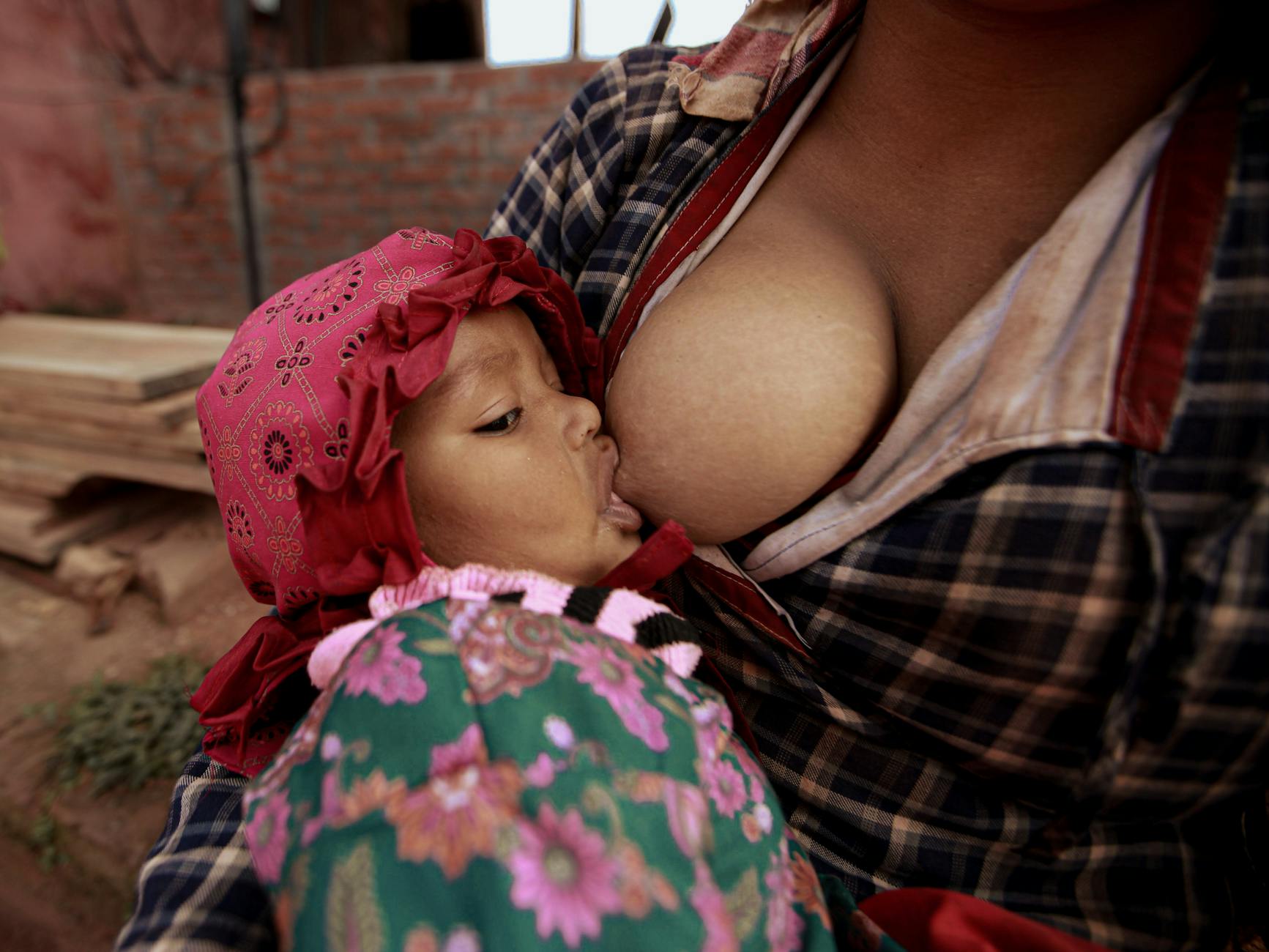
One of the most notable successes highlighted by NFHS-6 is the improvement in maternal health. With increased access to antenatal care and skilled birth attendants, maternal mortality rates have shown a promising decline. Similarly, the nationwide push for immunisation has borne fruit, with higher coverage reported across most states.
However, the survey does not shy away from addressing the elephant in the room—child nutrition. Despite improvements in some areas, malnutrition remains a stubborn issue. The data reveals a complex interplay of factors, including socio-economic disparities and access to nutritious food, which continue to hinder progress.
Challenges in Women's Empowerment
While health indicators have shown improvement, the survey sheds light on the need for greater focus on women's empowerment. Gender-based disparities are evident, with significant gaps in access to healthcare services and decision-making power within households. These findings underscore the need for policies that not only address health but also promote gender equality.
As India grapples with these challenges, NFHS-6 serves as a critical tool for policymakers. It provides a nuanced understanding of where interventions are needed most, allowing for targeted strategies that can address both the symptoms and the root causes of health issues.
The NFHS-6, therefore, isn't just a collection of data points; it's a mirror reflecting the health of a nation. As the Ministry of Health prepares to release the full findings, the survey's insights will undoubtedly play a crucial role in shaping India's health policies in the years to come.