India's Hydrogen Train: A Green Revolution on Rails
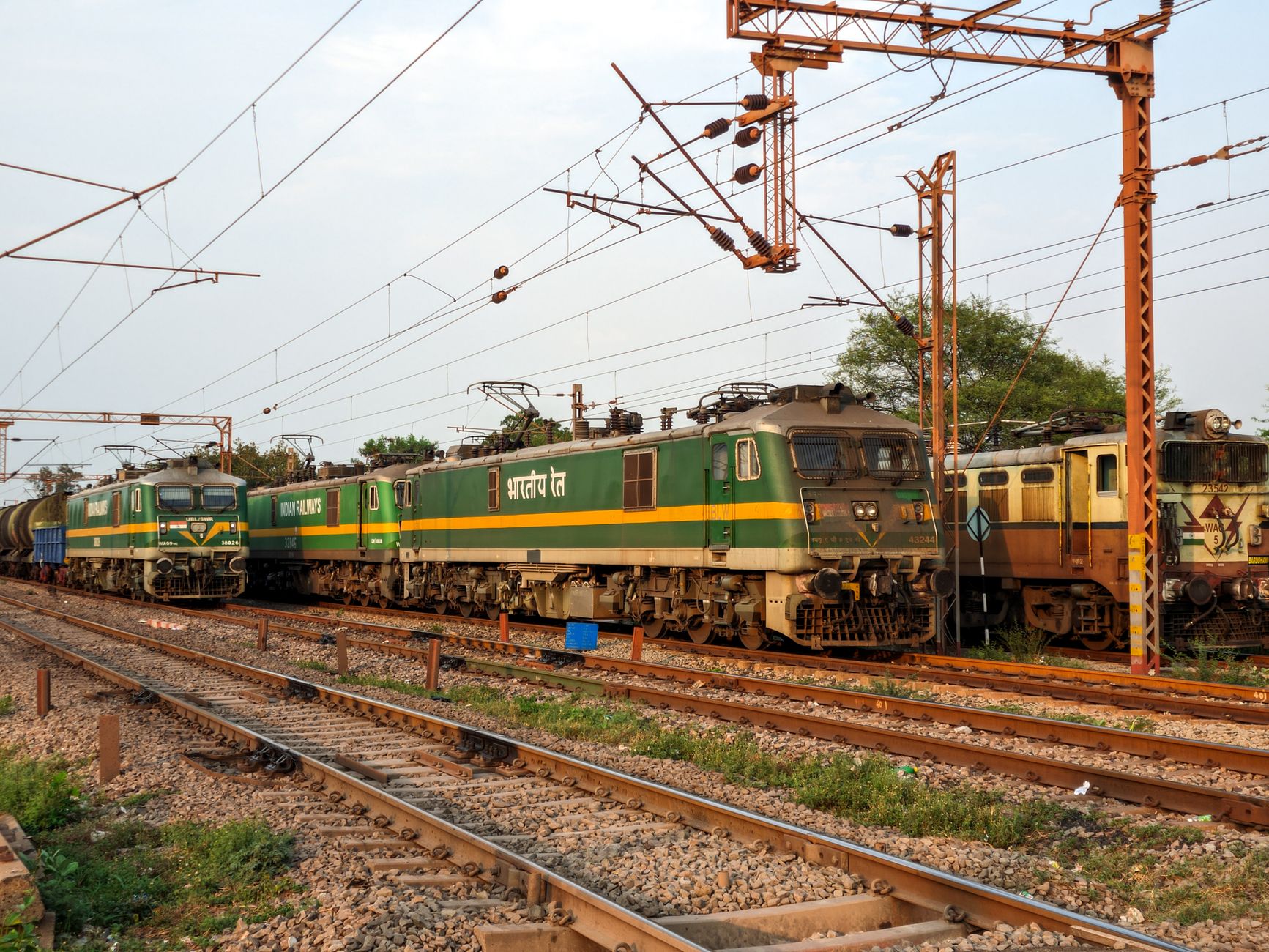
As India prepares to wave off its first hydrogen-powered train, the Namo Green Rail, the nation stands at the cusp of a potential railway renaissance. This pioneering venture, crafted by the Defence Research and Development Organisation (DRDO) in Lucknow, marks a substantial stride towards sustainable rail transport.
The operation of a hydrogen train is a marvel of modern engineering. At its core, it utilises hydrogen fuel cells. These cells generate electricity through an electrochemical reaction between hydrogen and oxygen, with the only by-product being water vapour—a stark contrast to the carbon emissions of traditional diesel engines.
However, the journey towards adopting hydrogen trains globally has been met with challenges. Hydrogen is not only highly flammable but also requires storage at extremely high pressures. This necessitates meticulous engineering and safety protocols to ensure secure transport and operation.
Why It Matters
The introduction of the Namo Green Rail is not merely a technological feat but a significant step in India's commitment to green energy. As part of the Indian Railways' green mobility mission, this initiative aims to reduce the carbon footprint of one of the country's most extensive transport networks.
Despite the hurdles, hydrogen trains offer a promising alternative to diesel, particularly in regions where electrification of railways is not feasible. The trials currently underway in Haryana are crucial in assessing the viability of this technology for broader implementation across the Indian rail network.
Future Prospects
While India embarks on this green journey, the global railway industry watches with interest. Should the trials prove successful, they could pave the way for a wider adoption of hydrogen technology, not just in India but worldwide, potentially transforming the future of rail transport.
In an era where climate change is an ever-pressing concern, innovations like the Namo Green Rail underscore the importance of sustainable technology. They remind us that the tracks to a greener future are being laid today, promising a cleaner tomorrow.