India's PNG Ambitions Face Hurdles Amid Pipeline Challenges
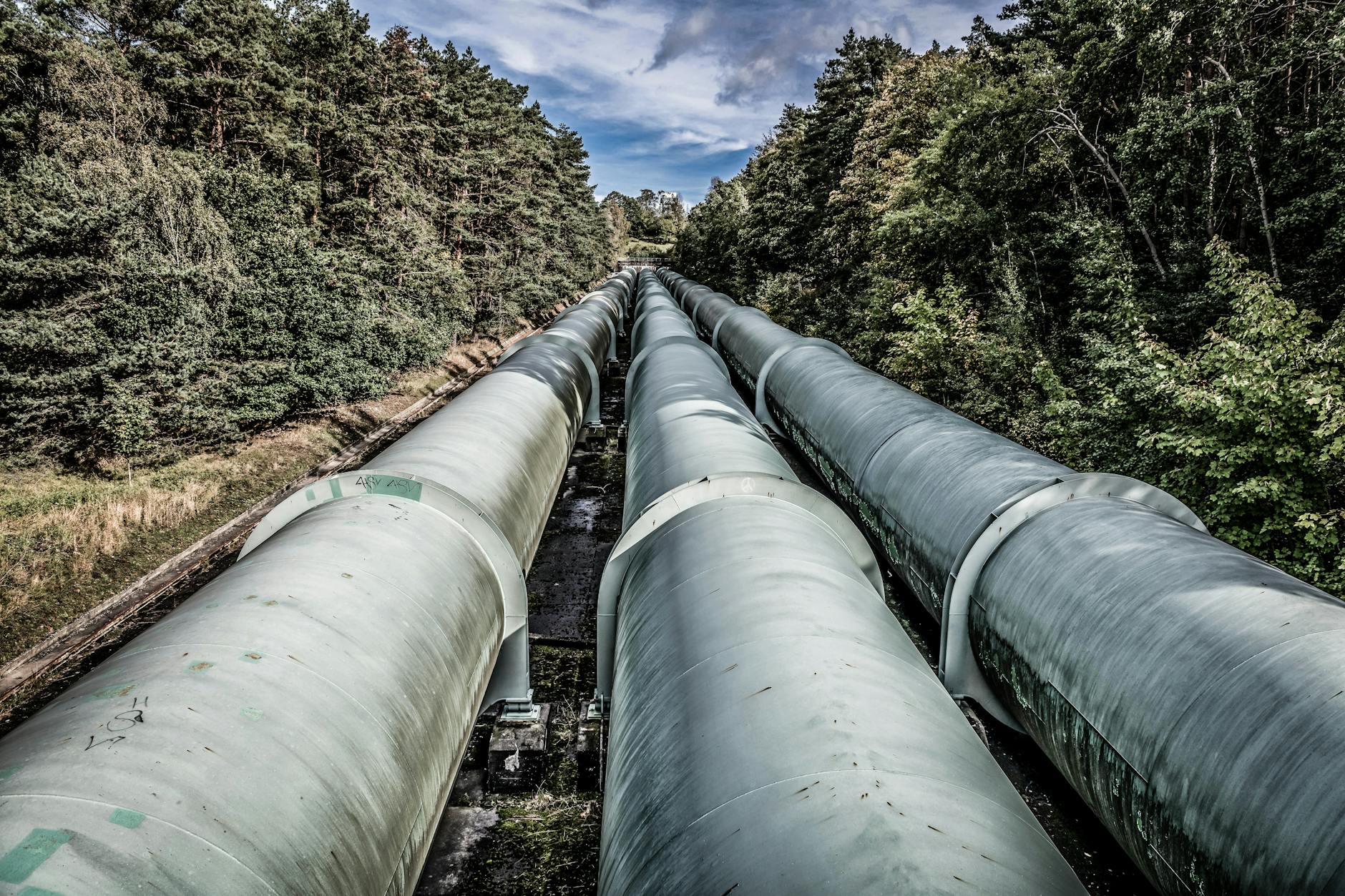
As India seeks to broaden its piped natural gas (PNG) infrastructure, the road to expansion is proving to be anything but smooth. The ambitious drive, conceived to curtail the country's heavy dependence on imported liquefied petroleum gas (LPG), is stalling amid a slew of practical difficulties.
The Indian government, in a bid to accelerate this transition, recently issued a sweeping reform under the Natural Gas and Petroleum Products Distribution Order of 2026. This directive mandates the use of PNG for designated consumers, with the threat of LPG supply being cut off after a three-month non-compliance period. However, translating policy into practice has been fraught with complications.
Infrastructure Woes and High Costs
At the heart of the issue are infrastructure constraints and prohibitive costs. City gas distribution (CGD) companies, pivotal to the rollout, are grappling with the realities of laying down extensive pipeline networks. The process is not only capital-intensive but also logistically complex, particularly in urban settings where space is at a premium.
Furthermore, the pace of growth is less than promising. While plans were set to add tens of thousands of new connections, the actual figures languish between 8,000 to 10,000 new additions, a mere fraction of the target. This sluggish progress underscores the challenges of scaling up in a market where demand is high but resources are constrained.
Supply Constraints and Policy Implications
Adding to the mix is the issue of supply constraints. The availability of natural gas, essential for fuelling this expansion, is not keeping pace with the burgeoning demand. Compounded by geopolitical tensions affecting West Asia, a key supplier region, the situation is exacerbated.
Despite these challenges, the government's resolve remains firm, driven by the dual objectives of energy security and economic prudence. Reducing reliance on LPG is crucial, not just for economic reasons but also for environmental considerations, as PNG is lauded for being a cleaner alternative.
The success of this initiative, however, hinges on overcoming these barriers. To achieve the envisioned widespread adoption, stakeholders must address the infrastructure bottlenecks, manage costs effectively, and secure reliable supply chains. Only then can India hope to realise its PNG ambitions, a step critical for its energy future.