India's Push for Clean Coal: BRICS Event Spotlights Gasification
In the heart of New Delhi, amidst the usual hustle and bustle, a significant discussion unfolded. The Ministry of Coal hosted a side event for BRICS nations, focusing on the promise of clean coal technologies, particularly coal gasification. This gathering is not just another meeting; it signifies India's earnest bid to marry its coal dependency with environmental responsibility.
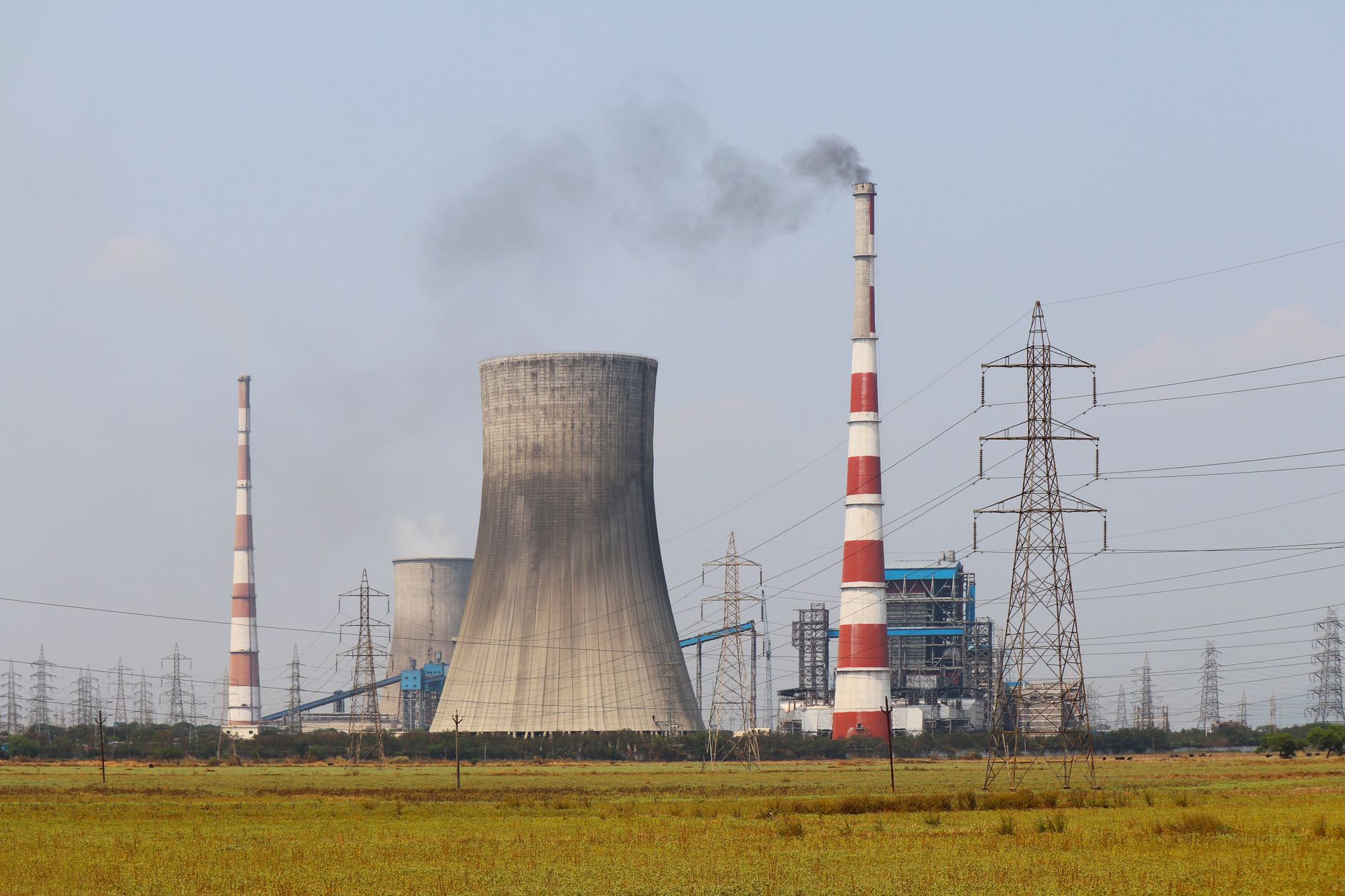
India's energy landscape is at a crossroads. As the world's third-largest carbon emitter, the country faces mounting pressure to transition towards cleaner energy sources. Yet, coal remains a cornerstone of its energy strategy, powering over 70% of its electricity. The answer, according to the Ministry of Coal, lies in gasification—a process that transforms coal into syngas, which can be burnt more cleanly.
Coal Gasification: A Cleaner Future?
Coal gasification is not a new concept, but its application in India could be transformative. The Ministry has launched a substantial ₹37,500-crore scheme aimed at gasifying 100 million tonnes of coal by 2030. This initiative could potentially reduce the carbon footprint of coal, while also ensuring the energy security of a rapidly industrialising nation.
The event highlighted both surface and underground gasification techniques, aiming to attract investment and innovation from BRICS countries. By collaborating with these emerging economies, India hopes to share expertise and develop robust solutions to its energy challenges.
The Global Context
Globally, the transition to cleaner energy sources is accelerating. Nations are investing heavily in renewables, yet coal remains a contentious issue. For countries like India, where coal is abundant and cheap, balancing economic growth with environmental commitments is a delicate act. The BRICS event underscored the importance of international cooperation in achieving sustainable energy goals.
As India pushes forward with its gasification plans, the eyes of the world—and particularly those of its BRICS partners—will be watching closely. Success in this endeavour could serve as a blueprint for other coal-dependent nations.