India's Solar Strategy Shift: A Bid to Break Free from Chinese Imports
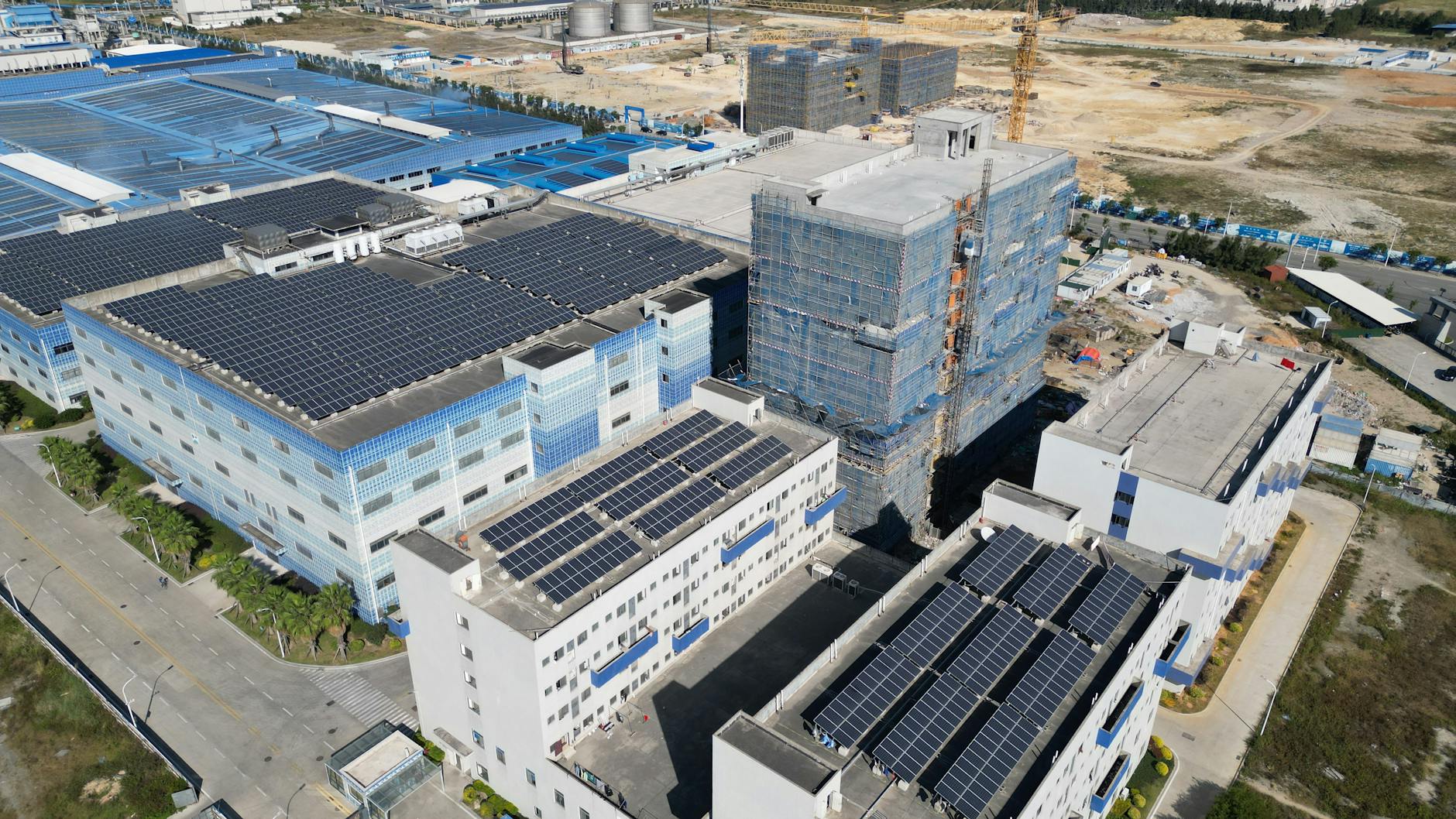
India's solar sector is poised for a significant transformation as the government enforces new regulations to reduce dependence on Chinese imports. From June 2026, solar modules deployed in most projects will need to use solar cells sourced from domestically approved manufacturers. This ambitious move aims to create a robust, self-reliant solar manufacturing ecosystem within the country.
For years, India has been heavily reliant on China for solar components, a dependence seen as both an economic and strategic vulnerability. The new policy, part of the Approved List of Cells and Manufacturers (ALCM) initiative, is designed to mitigate this risk by fostering local production capabilities. However, the industry remains divided over the impact of these changes.
Manufacturers' Concerns
While some domestic players welcome the opportunity to expand and innovate, others express concern about the current capacity to meet the anticipated surge in demand. India’s solar manufacturing base, capable of producing nearly 200 gigawatts annually, faces challenges such as limited infrastructure and higher production costs.
Critics argue that the immediate effect might be an increase in solar installation costs, as local manufacturers ramp up to meet the new requirements. They fear that any delays in scaling up production could slow the momentum of India's solar energy expansion.
A Broader Ambition
The policy shift aligns with India's broader ambition to establish a fully integrated solar supply chain by 2028, which includes proposals for local sourcing of solar ingots and wafers. This comprehensive approach is intended to enhance quality control, reduce e-waste, and ultimately strengthen the sustainability of solar projects across the nation.
As India navigates this transition, the eyes of the global renewable energy sector are upon it. The success of this initiative could serve as a model for other nations seeking to reduce dependency on dominant players like China, while also promoting domestic industry growth.