India's Subsidy Dilemma: Fossil Fuels Overshadow Health Budget
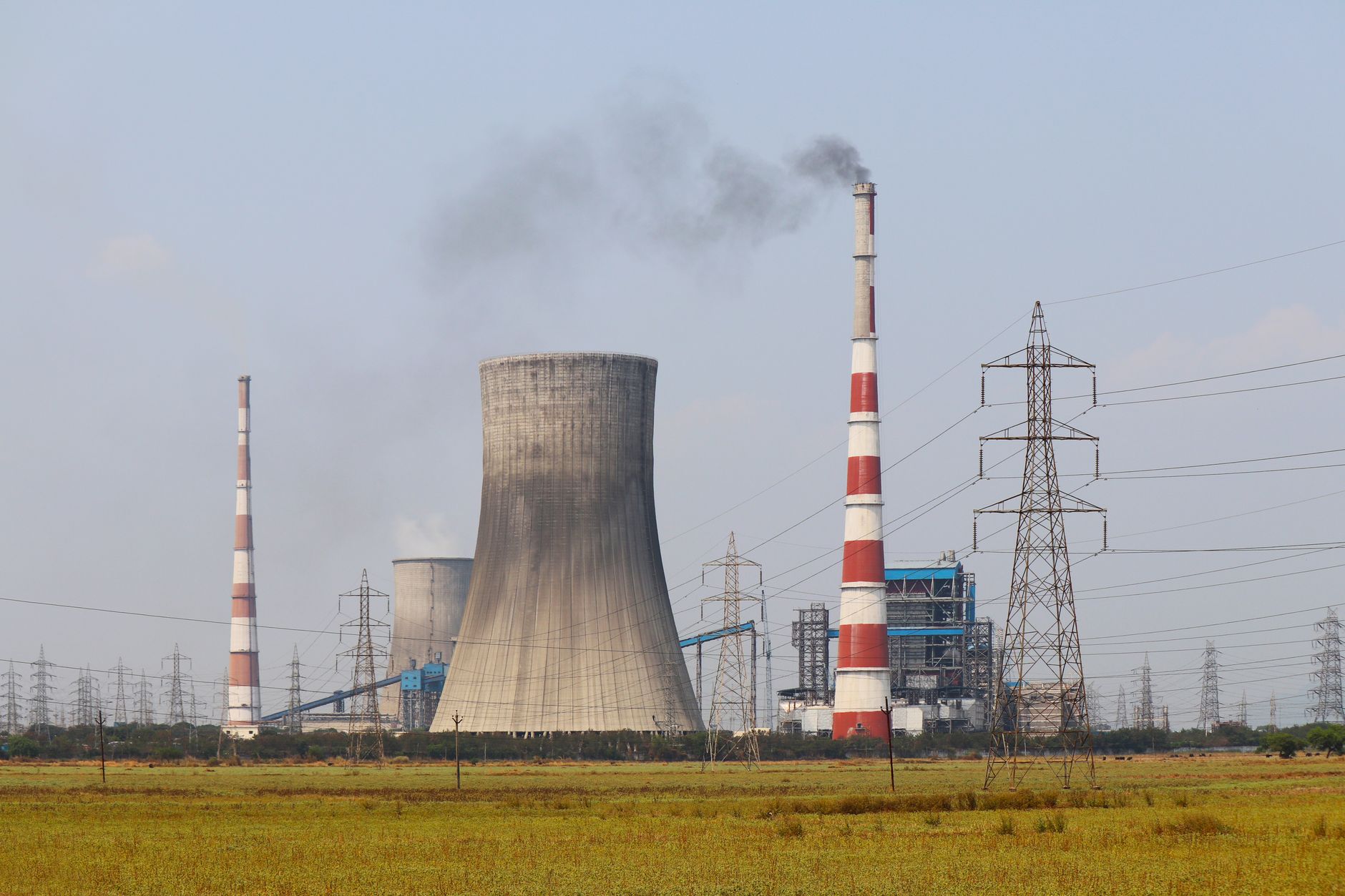
In the sweltering heat of Delhi, where temperatures soar to a blistering 45°C, hospitals find themselves inundated with cases of heatstroke and cardiac complications. Yet, paradoxically, India's financial focus seems elsewhere. The nation's fossil fuel subsidies now dwarf its health budget, a situation that The Lancet Countdown warns is perilously unsustainable.
India's Union Health Budget for 2026–27 stands at a modest ₹1,06,530 crore, roughly $12.8 billion. Meanwhile, subsidies on fossil fuels such as LPG, kerosene, and diesel, along with tax concessions on petroleum products, far exceed this allocation. Critics argue this is a misallocation of resources, particularly as climate change exacerbates health challenges across the country.
Why It Matters
The implications of this fiscal imbalance are profound. As climate change continues to pose severe risks, the health sector's capacity to respond is critically undermined. The Lancet Countdown's latest data paints a grim picture: climate-linked mortality is on the rise, and labour productivity is draining away. These are not abstract concerns but real threats to human life and economic stability.
Redirecting even a portion of the subsidies from fossil fuels to bolster health infrastructure could significantly enhance India's resilience. Such a shift would not only address immediate health crises but also support a sustainable transition that aligns with global climate goals.
The Road Ahead
The Indian government faces a vital decision. Will it continue to prioritise short-term economic gains from fossil fuel subsidies, or will it take bold steps towards a healthier, more sustainable future? The answer may well determine the nation's ability to withstand the mounting pressures of climate change and safeguard its citizens' well-being.