India's Waning Maoist Rebellion: A Struggle Nearing Its End
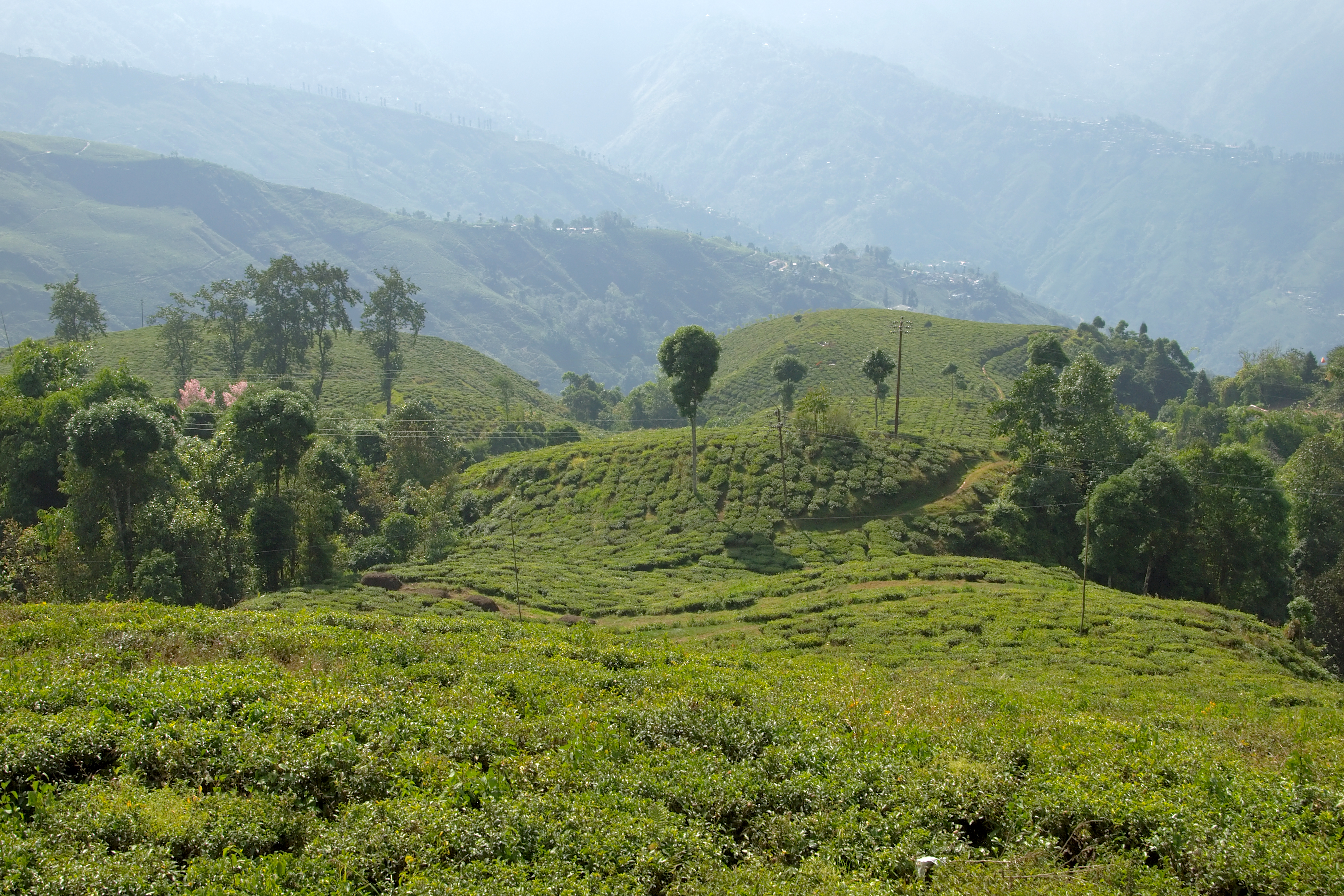
In the heart of India's Chhattisgarh, where the landscape is dominated by dense forests and rugged hills, a battle that has raged for decades is showing signs of abating. The Maoist insurgency, known locally as the Naxalite rebellion, is in its twilight. This movement, which once held vast swathes of central India in its grip, appears to be on the verge of dissolution.
The numbers speak for themselves. Over the past year, security forces have intensified operations, resulting in the deaths of at least 400 rebels, according to government data. This uptick in military action has been coupled with a significant number of surrenders, as disillusioned fighters abandon their cause. In recent months, a particularly bloody series of encounters in Chhattisgarh and Jharkhand saw a further 41 rebels killed.
A Movement Born of Desperation
The Naxalite rebellion was born in the late 1960s from the embers of agrarian discontent, sparked by the marginalisation of indigenous communities in India's mineral-rich heartland. What began as a movement for land rights and social justice morphed into a full-blown insurgency, often characterised by brutal violence. More than 10,000 lives have been claimed in the ensuing decades of conflict.
Yet, as government forces press their advantage, the remaining rebels face a stark choice: continue a fight that seems increasingly futile or seek integration into a society from which they've long been estranged.
The Path to Reintegration
For those who surrender, the path forward is fraught with challenges. The government has pledged resources for rehabilitation and reintegration, yet the process is neither swift nor simple. Former rebels must navigate a society that views them with suspicion, while also grappling with the trauma of years spent in conflict.
Analysts suggest that for any meaningful reconciliation, the government must address the underlying socio-economic issues that fuelled the insurgency in the first place. Land rights, access to resources, and political representation remain contentious issues for many indigenous communities.
As the dust settles on this prolonged conflict, the story of India's Maoist rebels serves as a poignant reminder of the complexities of insurgency and the often-overlooked human cost of ideological warfare.