Innovative Tracking for Yaks in High-altitude Regions
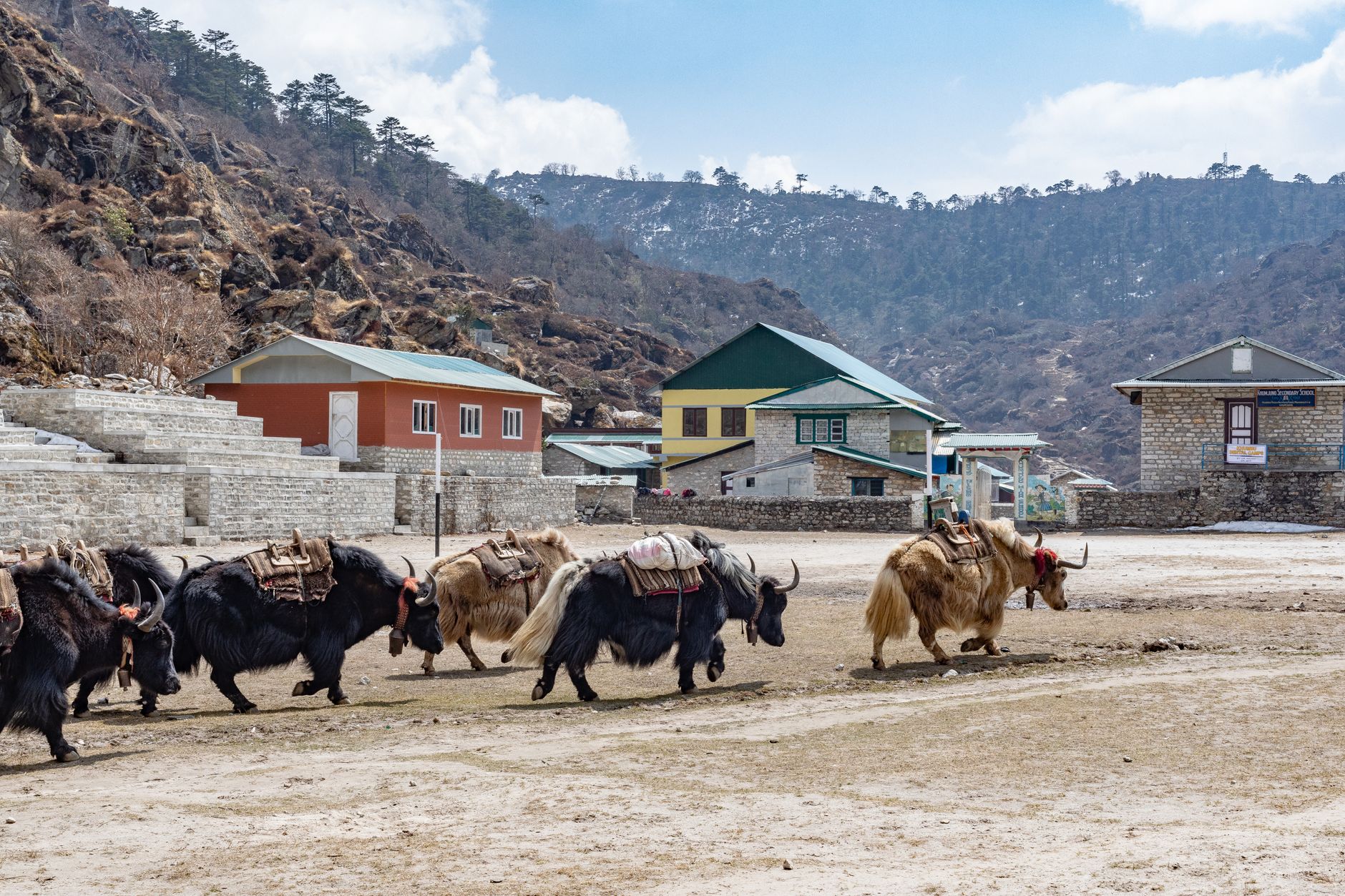
In a scientific breakthrough that marries technology with tradition, researchers have introduced a health tracker tailored for the robust yaks dwelling in the lofty terrains of the Himalayas and other high-altitude regions. These yaks, known for their resilience and vital role in the livelihoods of local communities, now have a tool that could transform their care and management.
The health tracker, a compact device designed to withstand extreme weather conditions, captures data on the yak's heart rate, temperature, and activity levels. By gathering this information, scientists hope to gain a deeper understanding of how these animals adapt to the thin air and frigid temperatures, which can pose significant challenges to their health.
Enhancing Yak Welfare
For centuries, yaks have been integral to the survival of communities living in the high-altitude regions of India, Nepal, and China. They provide milk, meat, and wool, and are essential for transportation in areas where modern vehicles cannot venture. Yet, despite their importance, little is understood about the physiological changes they undergo to survive such harsh climates.
This new health tracker aims to bridge that gap. By monitoring the yaks' vital signs, herders can make informed decisions about their care, potentially improving the animals' health and productivity. Moreover, the data collected could prove invaluable to researchers studying climate change's impact on high-altitude ecosystems.
Implications for Research and Conservation
The implications of this development are significant. Not only does it hold promise for improved yak welfare, but it also offers a new avenue for studying the impacts of climate change. As global temperatures rise, understanding how these animals cope with environmental stressors will be crucial. The data from these trackers could inform conservation strategies, ensuring that yaks continue to thrive in their natural habitats.
While the primary focus is on yaks, the technology could be adapted for other high-altitude species, further broadening its impact. As scientists continue to refine the device, the hope is that it will lead to more sustainable practices in animal husbandry and conservation across mountainous regions.