Iran Conflict Triggers Global Chemical Shortage
The world is discovering, with some urgency, the fragility of its chemical supplies. The ongoing conflict in Iran, marked by strategic manoeuvres and international posturing, has led to a surprising shortage of a chemical so ubiquitous that its absence is felt across diverse sectors.
The chemical in question is none other than the humble ammonium nitrate, a staple in industries ranging from agriculture to pharmaceuticals. Its primary role as a fertiliser is well-known, but its applications extend far beyond, into the realms of explosives and even pharmaceuticals. The current shortage has sent ripples through global markets, causing disruptions that analysts warn could have long-term implications.
The Domino Effect
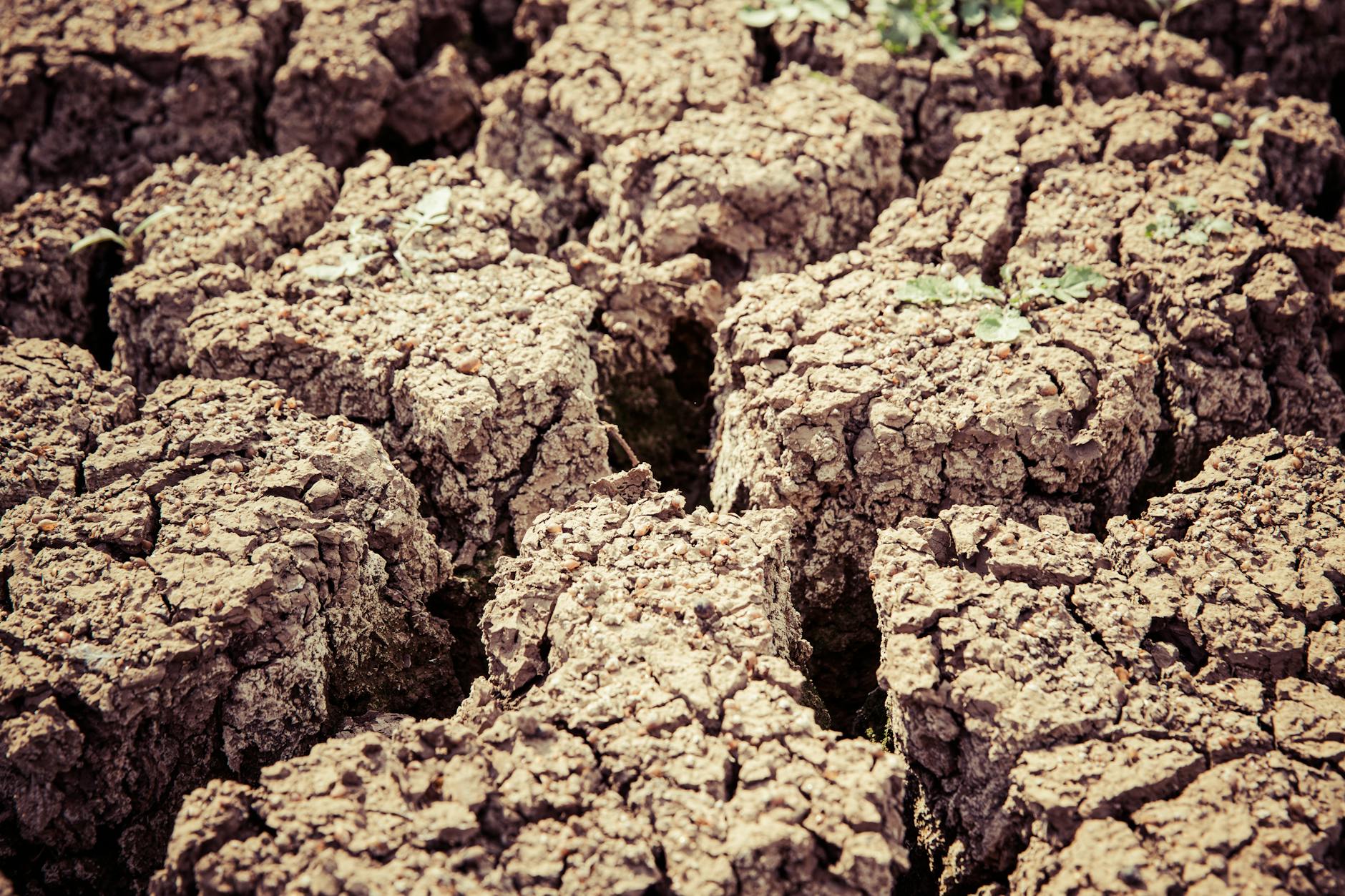
As tensions simmer, the immediate impact is being felt most acutely in agriculture, where ammonium nitrate's absence threatens crop yields. Farmers, already grappling with climate change challenges, now face the added pressure of fertiliser scarcity. This, in turn, is likely to affect food prices globally, an unwelcome prospect in economies already battling inflation.
Meanwhile, the pharmaceutical industry is experiencing its own headaches. Though less publicised, ammonium nitrate plays a crucial role in drug manufacturing. The current disruption could lead to production delays, affecting the availability of certain medications.
Geopolitical Underpinnings
This shortage is more than a commercial inconvenience; it highlights the geopolitical intricacies of global trade. Iran, a key player in the production and exportation of numerous chemicals, finds itself at the centre of a complex web of sanctions and embargoes. These restrictions, intensified by the current conflict, have hampered the flow of goods, demonstrating once again how interconnected our world truly is.
International bodies are now calling for diplomatic interventions to stabilise the situation. However, history suggests that resolutions may be slow to materialise. In the meantime, industries worldwide must adapt, seeking alternative sources or adjusting production methods to mitigate the impact.
As the world watches the developments in Iran with bated breath, it becomes increasingly clear that the ripples of conflict extend far beyond the battlefield, influencing the very fabric of everyday life across the globe.