Iran Crisis Sparks Gas Price Surge, Threatening Health in Asia
As the sun beats down mercilessly, Nisha Devi trudges through the dry scrubland, gathering firewood to cook her family's evening meal. It's a sight reminiscent of a bygone era, yet one that's becoming increasingly common in parts of Asia. The culprit: a surge in cooking gas prices triggered by the ongoing crisis in the Middle East.
In India, where more than 60% of the population relies on liquefied petroleum gas (LPG) for cooking, the shortage has hit hard. With the conflict in Iran leading to the closure of the Strait of Hormuz, a crucial passage for oil and gas, supplies have dwindled. Prices have skyrocketed, leaving many to resort to traditional cooking methods.
Economic and Health Implications
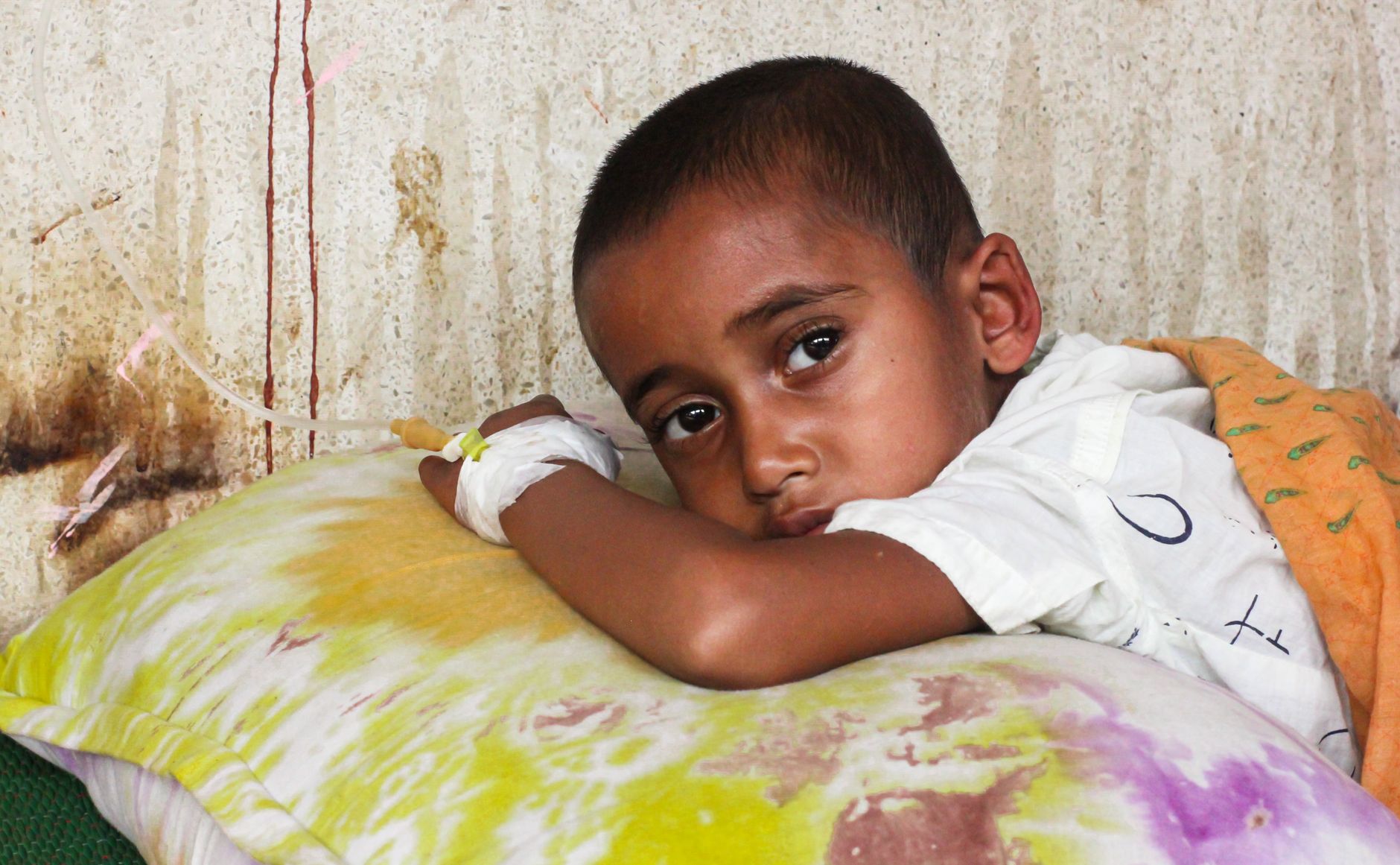
The impact of soaring gas prices is being felt far and wide. Across Asia, families are grappling with the dual challenge of sky-high energy costs and the health risks associated with using biomass for cooking. The World Health Organisation warns that indoor air pollution from solid fuels is a leading cause of respiratory illnesses, particularly among women and children.
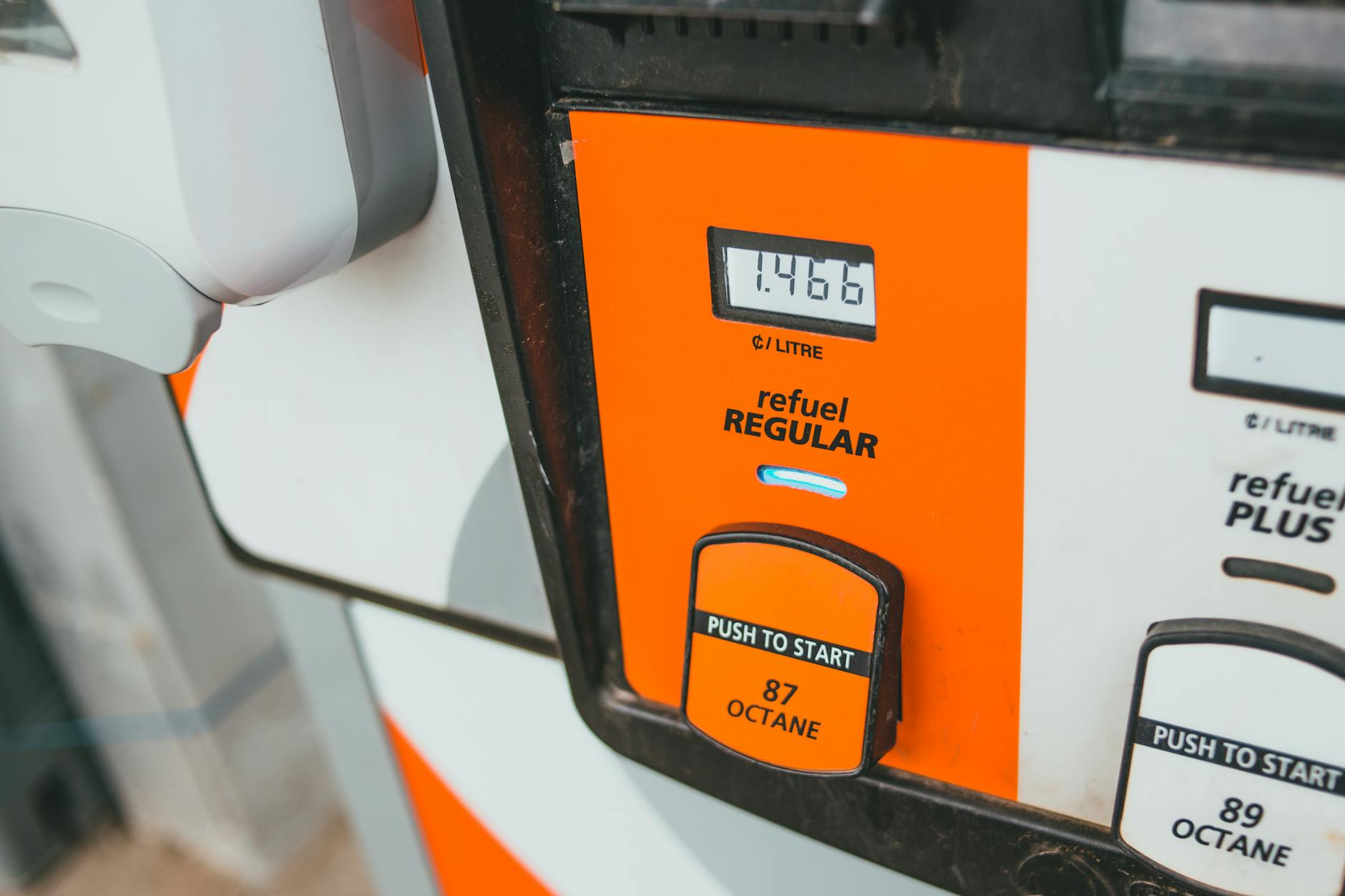
Local markets have also felt the pinch. In India, the price per kilogram of LPG has seen a significant increase, putting additional pressure on household budgets already stretched by inflation. Meanwhile, in Nigeria, the cost of LPG has surged to an average of ₦950 per kilogram, further exacerbating the situation.
A Widening Crisis
While the immediate effects are stark, the long-term implications could be more severe. Analysts warn that prolonged disruptions to oil and gas supplies could lead to a broader economic downturn in the region. Stock markets have already shown signs of instability, and the uncertainty over when the Strait of Hormuz will reopen adds to the anxiety.
For now, families like Nisha's can only hope for a resolution to the geopolitical tensions that have upended their lives. As they continue to navigate this challenging landscape, the need for alternative solutions and international cooperation becomes ever more pressing.