Iranian-Born Engineer Faces Conviction for Exporting Drone Tech to Iran
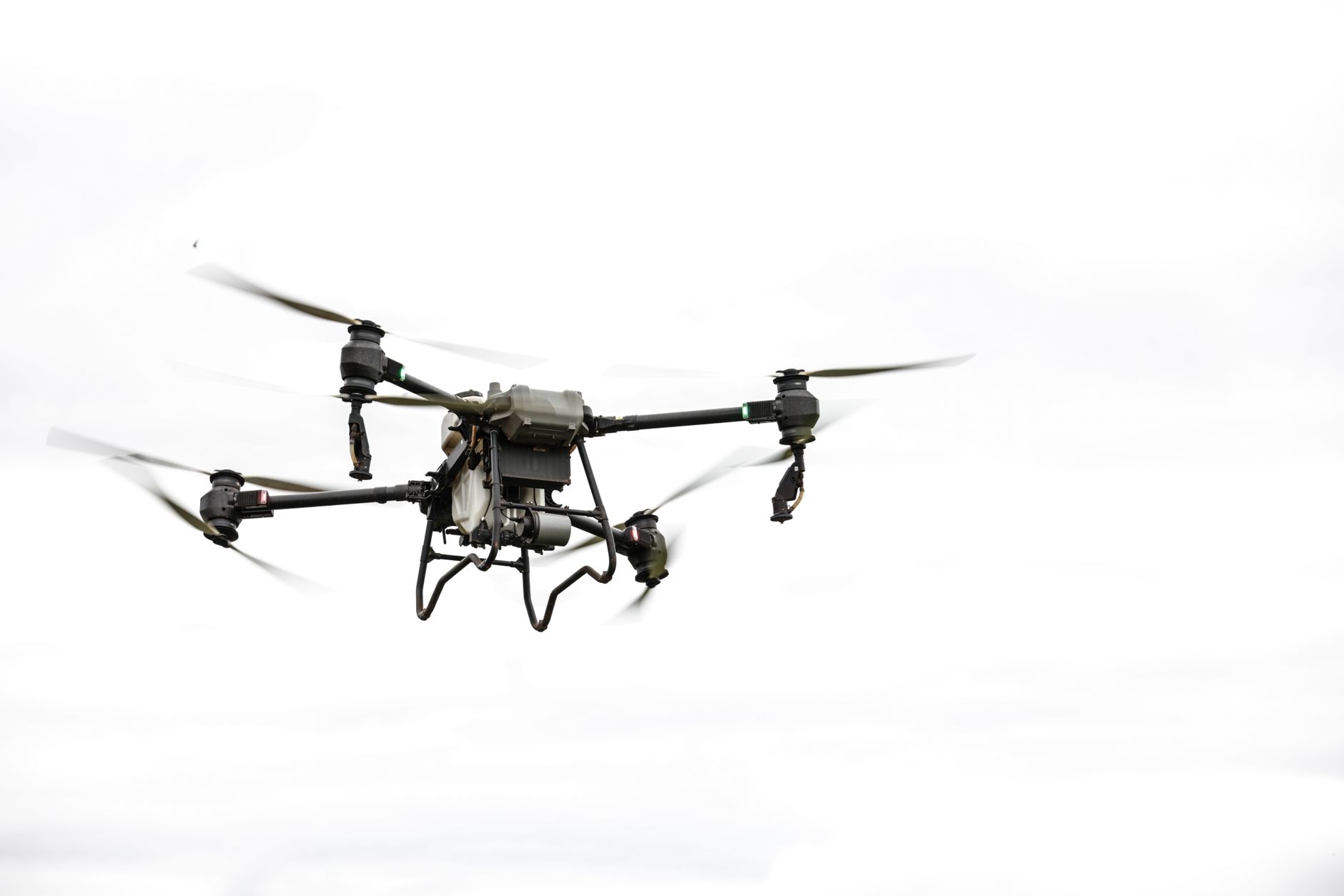
In a courtroom drama that has captured international attention, Mahdi Sadeghi, an Iranian-born engineer, was convicted by a Boston jury for illegally exporting technology to Iran — a move that violated U.S. sanctions. The technology in question, related to drone sensors, has potential military applications, raising significant security concerns.
Sadeghi, a dual citizen of the United States and Iran, is said to have conspired with an Iranian company linked to military drones, a revelation that has not only legal but also political ramifications. The case highlights the ongoing geopolitical tension between the U.S. and Iran, especially regarding military advancements and international trade agreements.
Complex Web of Trade Laws
At the heart of the matter lies a complex web of trade laws and sanctions intended to curb Iran's military capabilities. Sadeghi's actions, deemed a breach of these regulations, add to the intricate narrative of U.S.-Iran relations. Legal experts suggest that this conviction may deter similar attempts in the future, yet it also raises questions about the effectiveness of current sanctions and enforcement mechanisms.
Judge's comments during the trial reflected the seriousness with which the U.S. justice system views such infractions. Sentencing is scheduled for October, and Sadeghi could face a significant prison term, a decision that will undoubtedly be watched closely by both legal analysts and international observers.
Implications for Future Relations
The case arrives at a time when U.S.-Iran relations are already fraught with tension. The conviction could further strain these relations, particularly if Iran perceives it as another hostile act by the U.S. Conversely, it could serve as a warning to other entities considering similar breaches of international norms.
As the world watches, the outcome of Sadeghi's sentencing will likely influence not only future judicial proceedings but also diplomatic engagements between the two nations. In a global environment where technology and security are inextricably linked, this case serves as a stark reminder of the fine line between innovation and regulation.