Iran's Economic Struggles Deepen Amid Intensifying War Pressures
In recent weeks, the Iranian job market has been pummelled by a wave of redundancies, with companies from diverse sectors announcing significant layoffs. The tech industry, once a burgeoning sector symbolising hope and modernisation, now finds itself in the throes of economic turmoil. Meanwhile, traditional industries like steel manufacturing are not spared, as employers slash jobs amidst intensifying war pressures.
Economic challenges are not new to Iran. Long before the current conflict, the nation was already grappling with an economic crisis. Sanctions and a struggling domestic economy had led to widespread protests, reflecting the deep-seated frustrations of many Iranians. The recent escalation in hostilities has only exacerbated these issues, pushing the economy to the brink.
Struggling Industries
The tech sector, once a beacon of progress, is now shedding jobs at an alarming rate. Startups, which previously thrived on innovation and investment, are now starved of the resources they need to sustain operations. With international investors wary and domestic conditions deteriorating, these companies face an uncertain future.
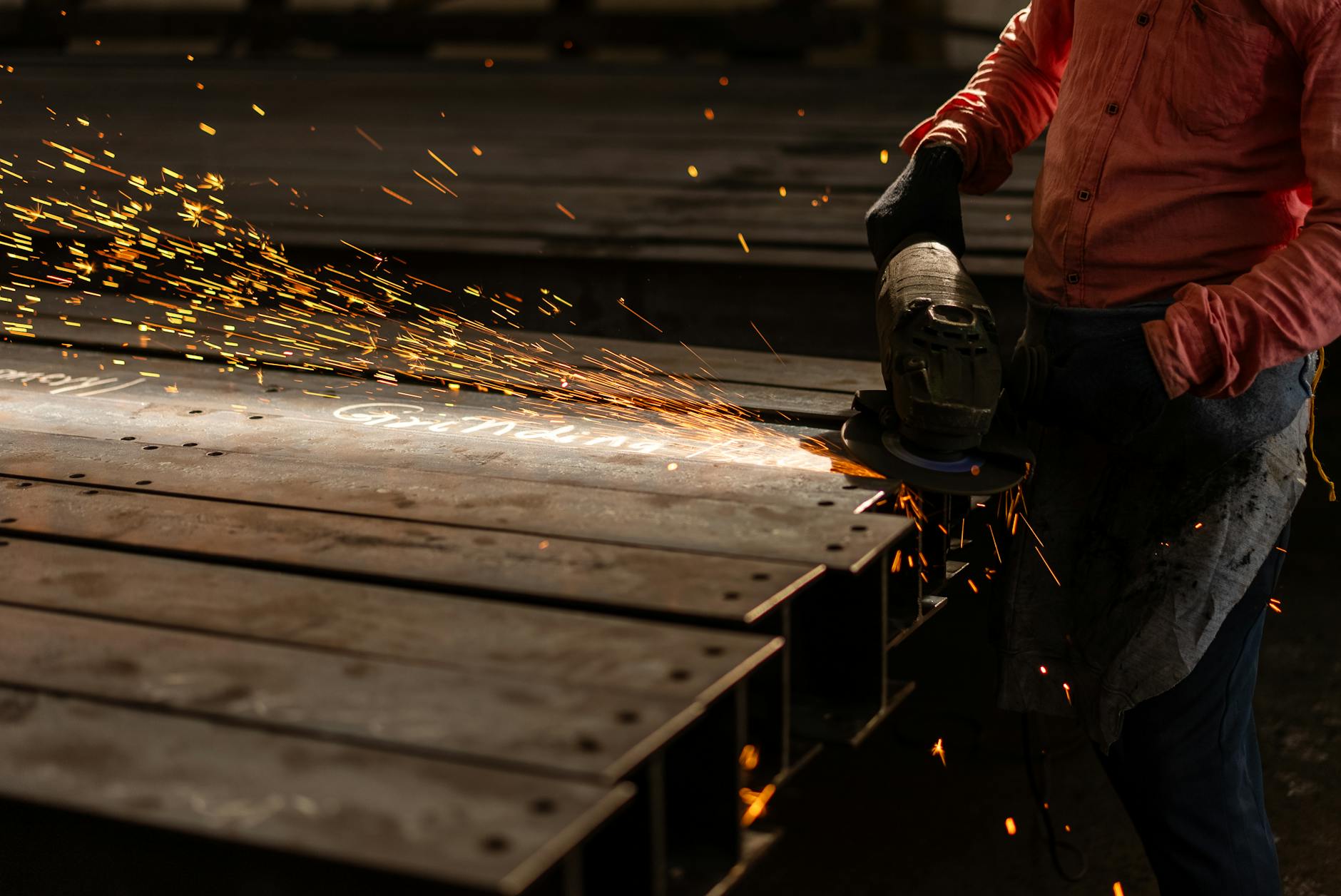
Similarly, the steel industry, traditionally a backbone of the Iranian economy, is now facing severe cutbacks. As resources dwindle and domestic demand shrinks, steel plants are forced to downsize their workforce, contributing to a rising unemployment rate that experts warn could reach unprecedented levels.
The Wider Economic Impact
The economic ramifications extend beyond immediate job losses. As purchasing power diminishes and consumer confidence wanes, businesses across the board are witnessing a downturn. The ripple effects are felt in every corner of the economy, from small family-run shops to large industrial enterprises.
Compounding these challenges is the uncertainty surrounding Iran's geopolitical future. With a potential ceasefire on the horizon, brokered by international mediators, there is a glimmer of hope. However, the path to rebuilding and stabilising the economy remains fraught with obstacles.
Analysts argue that even with a resolution to the current conflict, the underlying issues that have long plagued Iran's economy need to be addressed. Structural reforms and international engagement will be crucial in steering the nation towards a more prosperous future.
For now, however, the immediate concern for many Iranians remains the stark reality of job insecurity and economic instability, as the nation navigates through one of its most challenging periods in recent history.