Iraq's Armed Groups Face Pressure to Disarm: A Complex Path Ahead
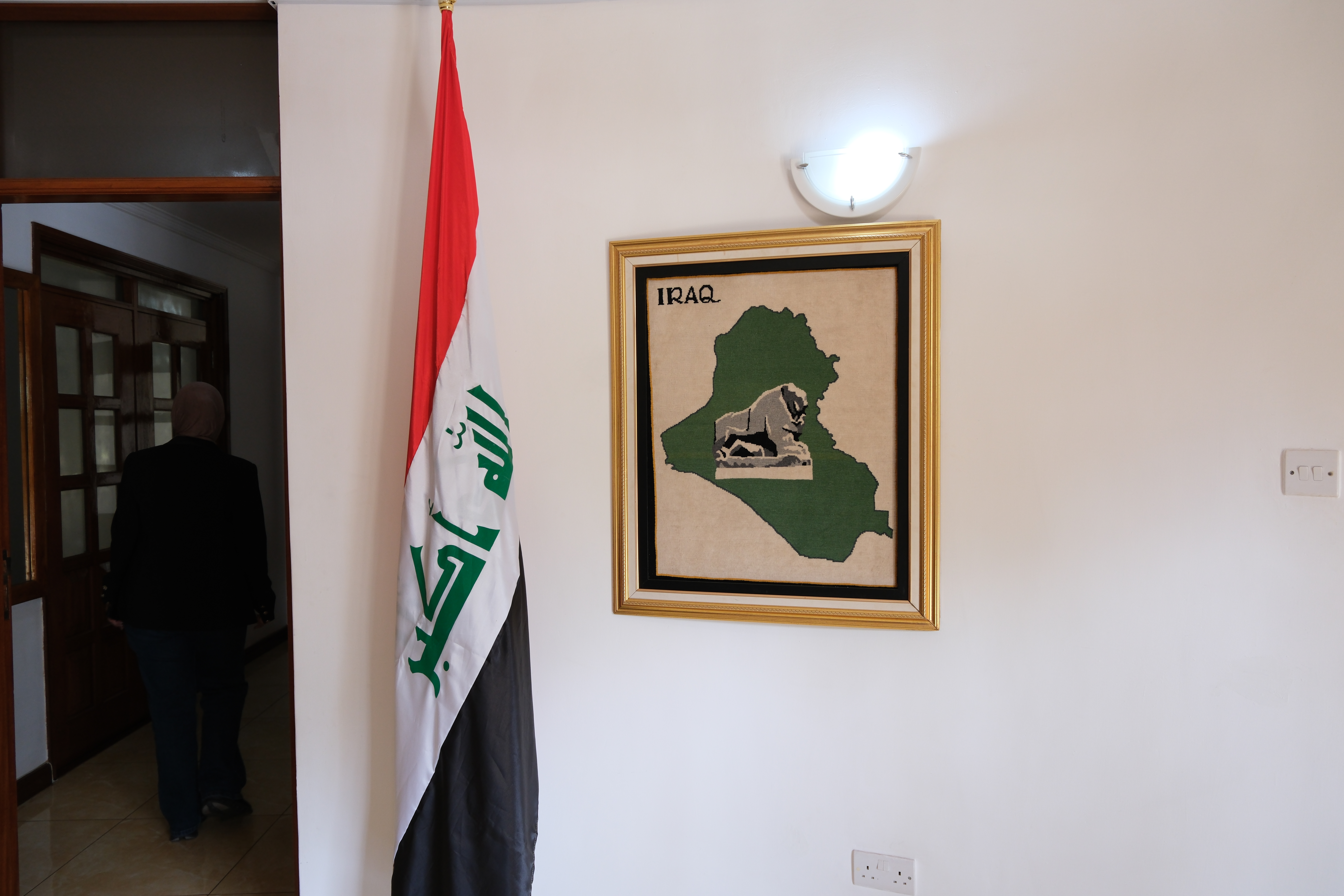
The announcement by Muqtada al-Sadr that Iraq’s paramilitary groups will disarm and integrate into the formal state apparatus has stirred both hope and scepticism. Al-Sadr, a powerful figure in Iraq’s Shia community, has been a vocal advocate for reducing the influence of armed militias. Yet, the absence of a definitive timeline casts doubt on the feasibility of such a transition.
Since the 2003 invasion, Iraq has been a chessboard of competing interests, with paramilitary groups often acting as proxies for foreign powers. These groups, some of which have been sanctioned by the United States, wield significant power and have been accused of undermining state sovereignty. The pledge to disarm them is more than an internal matter; it’s a crucial step towards stabilising a region fraught with tension.
Challenges and Skepticism
Factions like Kataib Hezbollah have expressed reluctance to lay down arms until their strategic goals are met. This stance highlights the complexity of disarmament in a landscape where political objectives are deeply intertwined with military might. The group's commitment to retaining their weapons is a stark reminder of the challenges that lie ahead.
Moreover, the recent history of conflict, such as the 12-day war between Israel and Iran, illustrates the volatility and the potential for these groups to be drawn into broader regional conflicts. If disarmament is not achieved, the spectre of further violence looms large, threatening both national and regional stability.
A Tentative Path Forward
For Iraq, integrating these militias into the national defence forces could represent a significant stride towards rebuilding its fractured political landscape. However, without a clear roadmap and international support, the initiative may falter. Observers remain cautiously optimistic, aware that success could set a precedent for other nations grappling with similar issues.
The international community, particularly countries with vested interests in the Middle East, will be watching closely. The outcome will inevitably influence diplomatic relations and strategies in the region. Whether Iraq can navigate these challenges remains uncertain, but the stakes could not be higher.