Iraq's Militia Dilemma: Disarmament Pledges and Political Realities
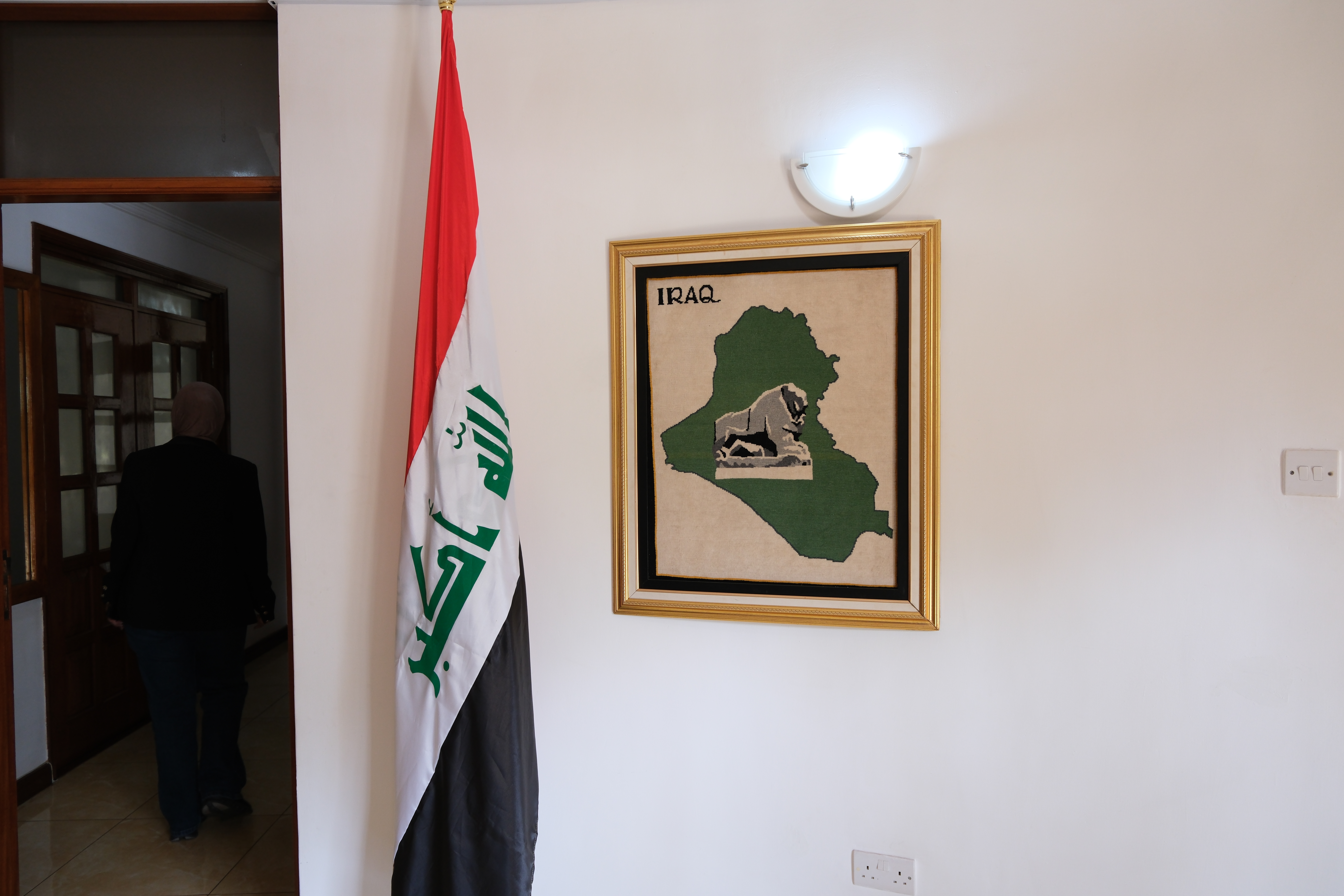
In the labyrinthine world of Iraqi politics, where alliances are as fluid as the Tigris, the recent declarations from Shia paramilitary groups about disarmament have stirred both optimism and scepticism. Figures such as Muqtada al-Sadr, a name synonymous with influence in Iraq, have announced intentions for their groups to disarm and integrate into the state apparatus. Yet, as with many political promises, the devil is in the details.
While the rhetoric suggests a move towards state cohesion, the absence of a definitive timeline casts a long shadow over these commitments. The spectre of Iraqi factions, including the notorious Kataib Hezbollah, refusing to disarm until their objectives are achieved, complicates the narrative. These groups, instrumental in defeating ISIS, now find themselves at a crossroads — their continued autonomy a thorn in the side of state authority.
Regional Tensions and Internal Struggles
The wider geopolitical context cannot be ignored. The closure of the Strait of Hormuz and the ongoing conflict in Iran have only exacerbated the situation. Iranian-backed militias operating within Iraq add another layer of complexity, straddling the line between national defence and foreign influence.
This tangled web of allegiances poses a formidable challenge for the Iraqi government, which seeks to consolidate power and ensure national stability. The integration of these paramilitary groups into the state security forces could potentially strengthen Iraq’s sovereignty, but only if executed with precision and transparency.
The Road Ahead
The road to disarmament, however, is fraught with obstacles. Without a clear roadmap, these declarations risk being relegated to the annals of unfulfilled political promises. Yet, the potential benefits of such integration — a unified security force, reduced sectarian violence, and a more stable government — make this endeavour a critical one.
As Iraq stands at this pivotal junction, the world watches with bated breath. Will these pledges herald a new chapter in Iraqi governance, or will they remain mere words, lost in the tumultuous tides of Middle Eastern politics? Only time, and perhaps a touch of resolve, will reveal the outcome.