Iraq's Militia Pledge to Disarm: A Genuine Shift or Hollow Promise?
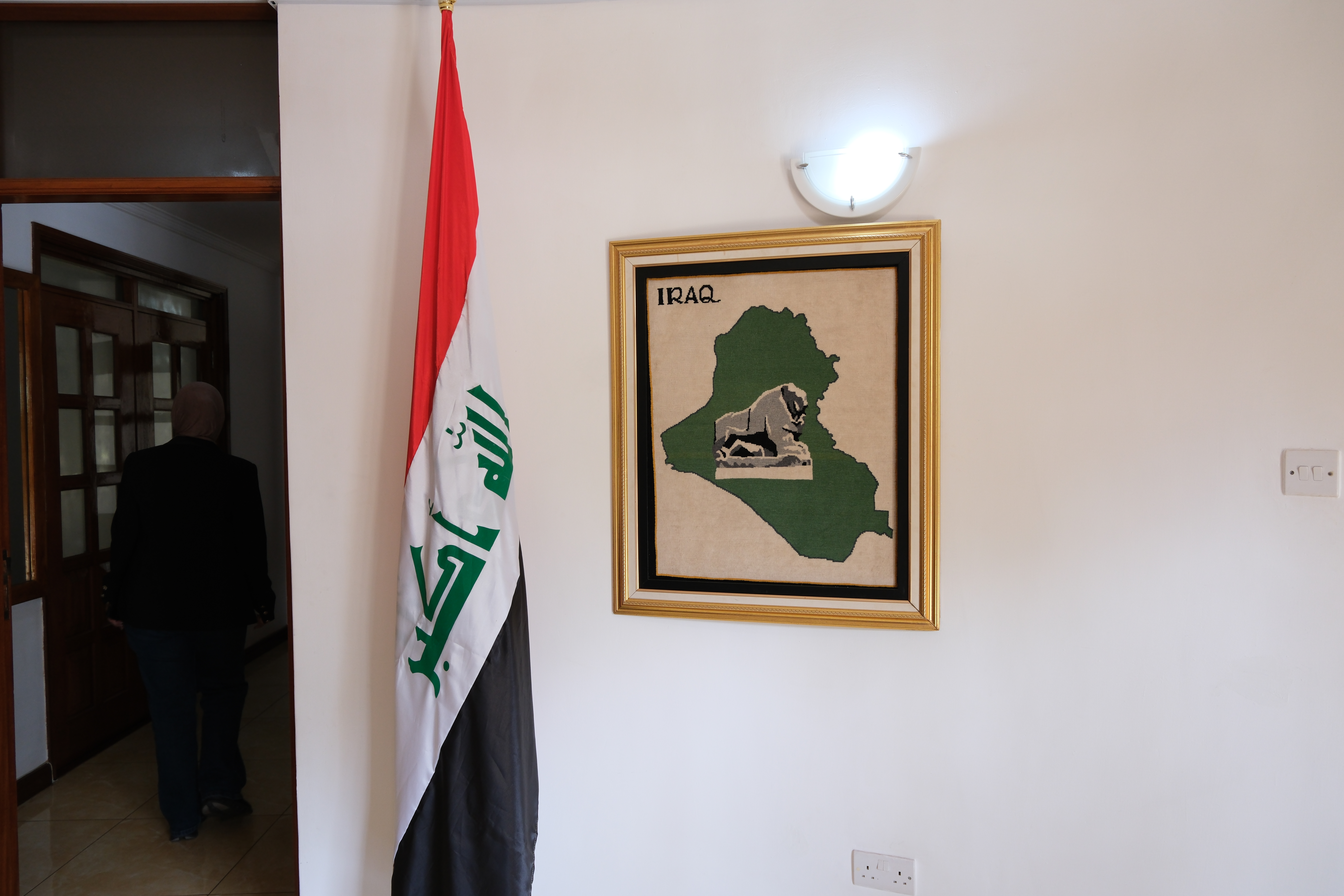
In a nation where promises are often made more in hope than expectation, Iraq's paramilitary groups have declared their intention to disarm. The announcement, spearheaded by Shia leader Muqtada al-Sadr, marks a potential turning point in Iraq's tumultuous political landscape.
The promise of disarmament was made amidst ongoing discussions to reassert state control over armed groups that have long operated with significant autonomy. Since their incorporation into the Popular Mobilization Forces (PMF) in 2016, these militias have wielded considerable influence, both on the battlefield against Islamic State insurgents and within Iraq's political corridors.
Yet, scepticism abounds regarding the feasibility of such a move. Iraq's Prime Minister, Mohammed Shia al-Sudani, remains cautious, aware of the delicate balance he must strike between appeasing Western allies and maintaining Iran's support, a nation whose influence looms large over Iraq's Shia militias.
The Role of Regional Politics
Iran, often viewed as the puppeteer behind Iraq's Shia militias, has its strategic interests in maintaining a strong proxy presence in Iraq. The disarmament pledge could be an attempt to ease tensions with the United States, which has persistently pressured Iraq to curb the power of these groups. However, Iran's support remains crucial for the political survival of many Iraqi leaders, making a complete severance of ties improbable.
The PMF's transformation into a state-controlled entity is not merely a domestic affair but a regional chess game involving multiple stakeholders. The geopolitical implications are profound, potentially reshaping alliances and power dynamics in the Middle East.
Challenges on the Ground
Beyond political manoeuvres, practical challenges also hinder the disarmament process. The militias, deeply entrenched in Iraq's security apparatus, provide employment and social services in areas where the state has failed to deliver. Their loyalty is often to individual leaders rather than the state, complicating efforts to integrate them fully under government control.
Moreover, the promise of disarmament must contend with internal divisions within the militias themselves. While some factions may be willing to lay down arms, others, driven by ideological or economic motives, might resist.
As Iraq grapples with the promise of demilitarisation, the world watches with bated breath. The outcome will not only determine the future of Iraq's security landscape but could also influence broader regional stability.