Jairam Ramesh Criticises Great Nicobar Project's Hasty Clearance
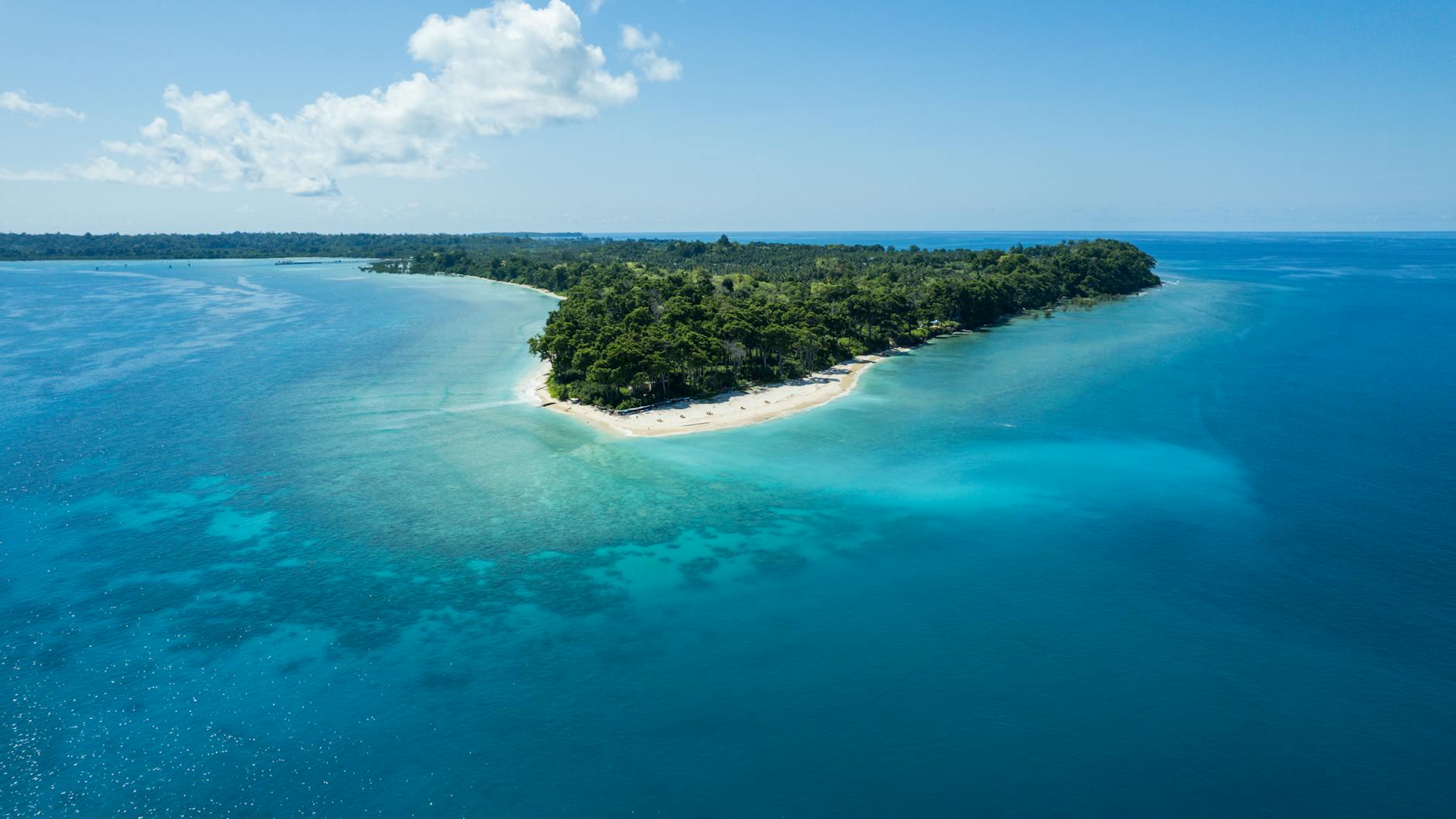
The picturesque Great Nicobar Island, a jewel of biodiversity in the Bay of Bengal, has found itself at the centre of a political storm. Jairam Ramesh, a senior Congress leader and former Minister of Environment and Forests, has vociferously criticised the environmental clearance granted to the Great Nicobar Island Development Project, describing it as 'grossly inadequate'.
In a letter addressed to the Union Minister of Environment, Forest and Climate Change, Bhupender Yadav, Ramesh contended that the studies underpinning the clearance were conducted over just a few days and failed to meet the rigorous standards that such a large-scale project demands. He accused the government of bypassing its own regulations, which mandate comprehensive, multi-season studies, especially for projects in ecologically sensitive zones like the Andaman and Nicobar Islands.
Environmental Concerns Ignored?
Ramesh's concerns highlight a broader issue: the delicate balance between development and environmental preservation. The Great Nicobar project, which aims to transform the island into a hub of economic activity, is viewed by many as necessary for regional growth. However, critics argue that it risks irreparable damage to the island's unique ecosystems.
In his missive, Ramesh also pointed out the lack of transparency, alleging that key environmental impact assessments were not made available for public scrutiny. This secrecy, he argues, undermines public trust and raises questions about the integrity of the government's environmental stewardship.
The Government's Stance
In response, the government has defended its position, releasing a document titled 'Great Nicobar Project: Frequently Asked Questions'. This document asserts that a thorough study of environmental impacts has been conducted and that measures are in place to manage these effects. Yet, the brevity and timing of the studies have left environmentalists sceptical.
As this debate unfolds, it brings into sharp relief the ongoing struggle in India to balance economic development with the imperative to protect its natural heritage. The outcome of this controversy may well set a precedent for how future projects in environmentally sensitive areas are approached and executed.