Jairam Ramesh Criticises Rushed Clearance for Great Nicobar Project
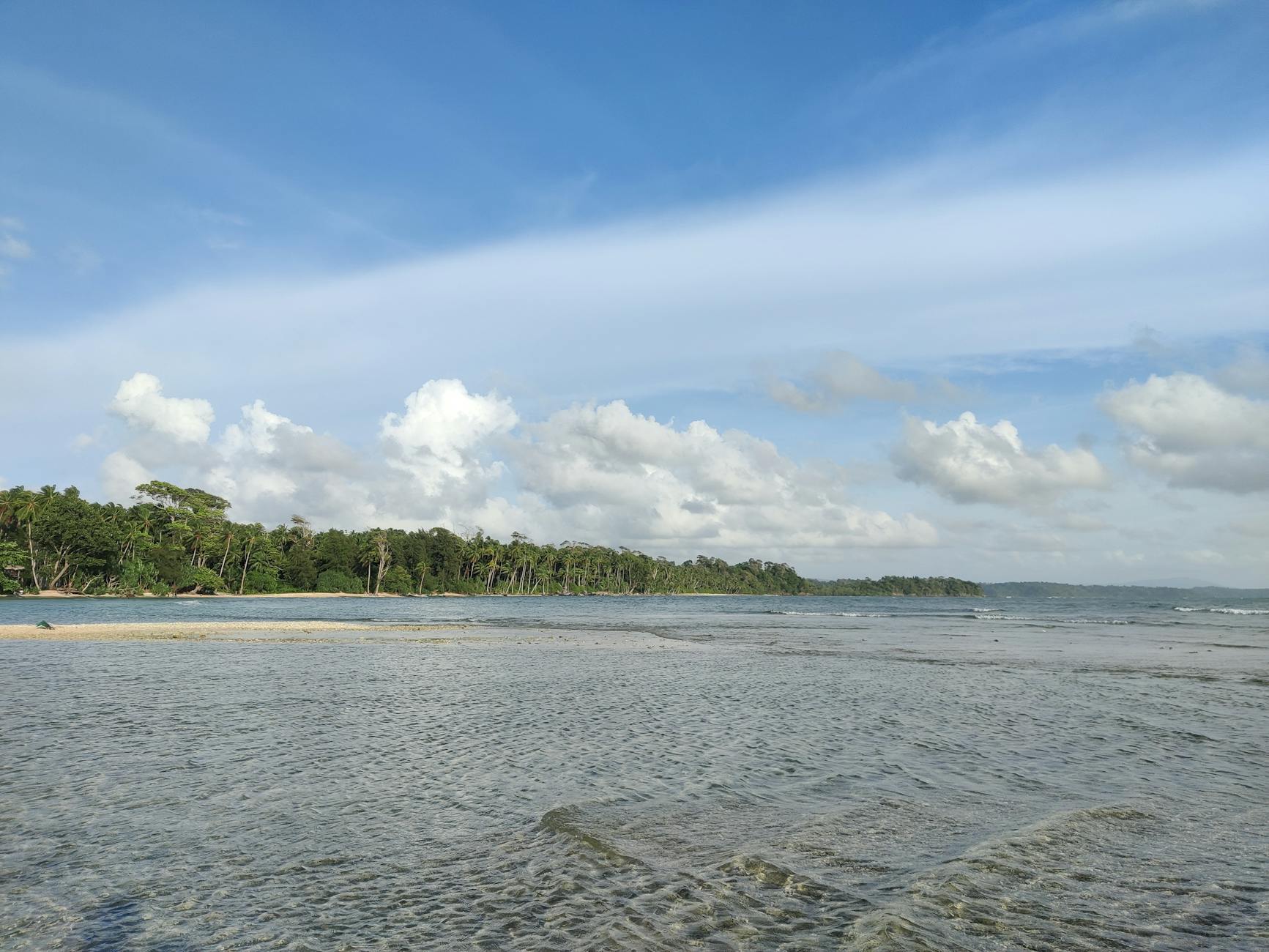
In a move stirring significant debate, senior Congress leader Jairam Ramesh has lambasted the recent environmental clearance granted to the Great Nicobar Island Development Project. At the heart of his criticism is the alleged inadequacy of the Environmental Impact Assessment (EIA) conducted, which he claims was based on insufficient data.
Ramesh, a seasoned environmental advocate, addressed a letter to Bhupinder Yadav, the Union Minister for Environment, Forest and Climate Change, describing the clearance process as an 'insult to science'. His primary contention lies in the brevity of the baseline data collection period, which, according to him, spanned mere days and weeks, rendering the study legally deficient.
Calls for Transparency
Ramesh's demands do not stop at critique. He has fervently called for the High-Powered Committee (HPC) report, which re-evaluated the project's environmental clearances, to be made public. Such transparency, he argues, is crucial for accountability and informed discourse. 'The public deserves to know whether due diligence was truly observed,' he remarked.
His statements have ignited a broader discussion about the balance between rapid infrastructural development and environmental preservation. The Great Nicobar project, ambitious in scale, aims to drive economic growth in the region. Yet, critics like Ramesh warn of the lasting ecological repercussions if due process is sidelined.
An Ongoing Debate
This controversy is not an isolated incident. It reflects a persistent tension in Indian policy-making, where the quest for economic progress often clashes with environmental imperatives. The outcome of this debate could very well set a precedent for future projects of a similar nature, highlighting the need for comprehensive and transparent environmental studies.
As the government weighs its options, the calls for a more reasoned approach to such clearances grow louder. Whether these demands will lead to a re-evaluation of the project's green light remains uncertain, yet the implications for future policy decisions are undeniable.