Japanese Innovation to Transform Hyderabad's Waterways
In a city where the monsoon often turns roads into rivers, Hyderabad's latest venture into water purification offers a glimmer of hope. The Hyderabad Metropolitan Water Supply and Sewerage Board (HMWSSB) has embarked on an ambitious journey, utilising Japanese Bio-Lace technology to cleanse the city's nalas, the open drains that crisscross its sprawling urban landscape.
The results so far are nothing short of impressive. A pilot project has demonstrated a 90% reduction in organic pollution, a testament to the efficacy of this cutting-edge technology. With support from the Japan International Cooperation Agency (JICA) and TBR Co., Ltd., this is India's inaugural experiment with the internationally acclaimed Bio-Lace technology.
A Technological Leap Forward
Bio-Lace technology is not just a fancy addition to the city's infrastructure; it represents a significant technological leap forward. The method involves the deployment of specially designed materials that encourage the growth of beneficial microorganisms. These microorganisms break down organic pollutants, significantly improving water quality.
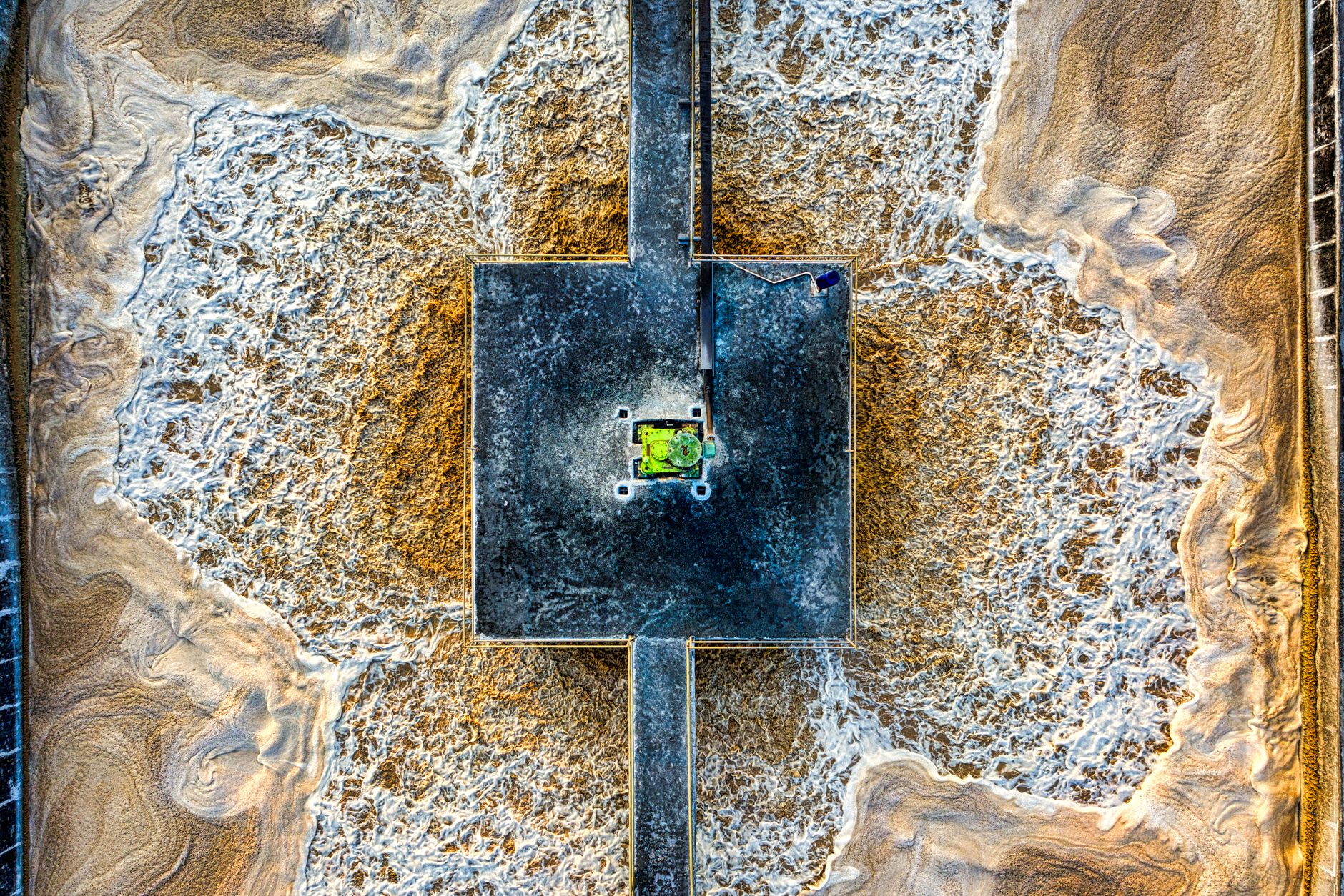
The pilot project, operational at a one million-litre-a-day sewage treatment plant, has exceeded expectations. By reducing biological oxygen demand and total suspended solids, the initiative has proven its mettle in tackling persistent water pollution challenges.
A Blueprint for Other Cities?
While Hyderabad basks in its success, cities across India are taking note. Water pollution remains a pressing concern nationwide, and if Bio-Lace technology continues to deliver, it could become a blueprint for urban centres grappling with similar issues.
The potential impact extends beyond mere water purification. Cleaner nalas mean healthier ecosystems, reduced health risks, and an enhanced quality of life for city dwellers. The project could pave the way for a new era of sustainable urban development, where technology and ecology work hand in hand.
As Hyderabad forges ahead, the city stands on the brink of a transformation. The successful implementation of Bio-Lace technology may well signal a turning point, not only for its waterways but for urban India at large.