Japan's GDP Stumbles as Business Spending Falters
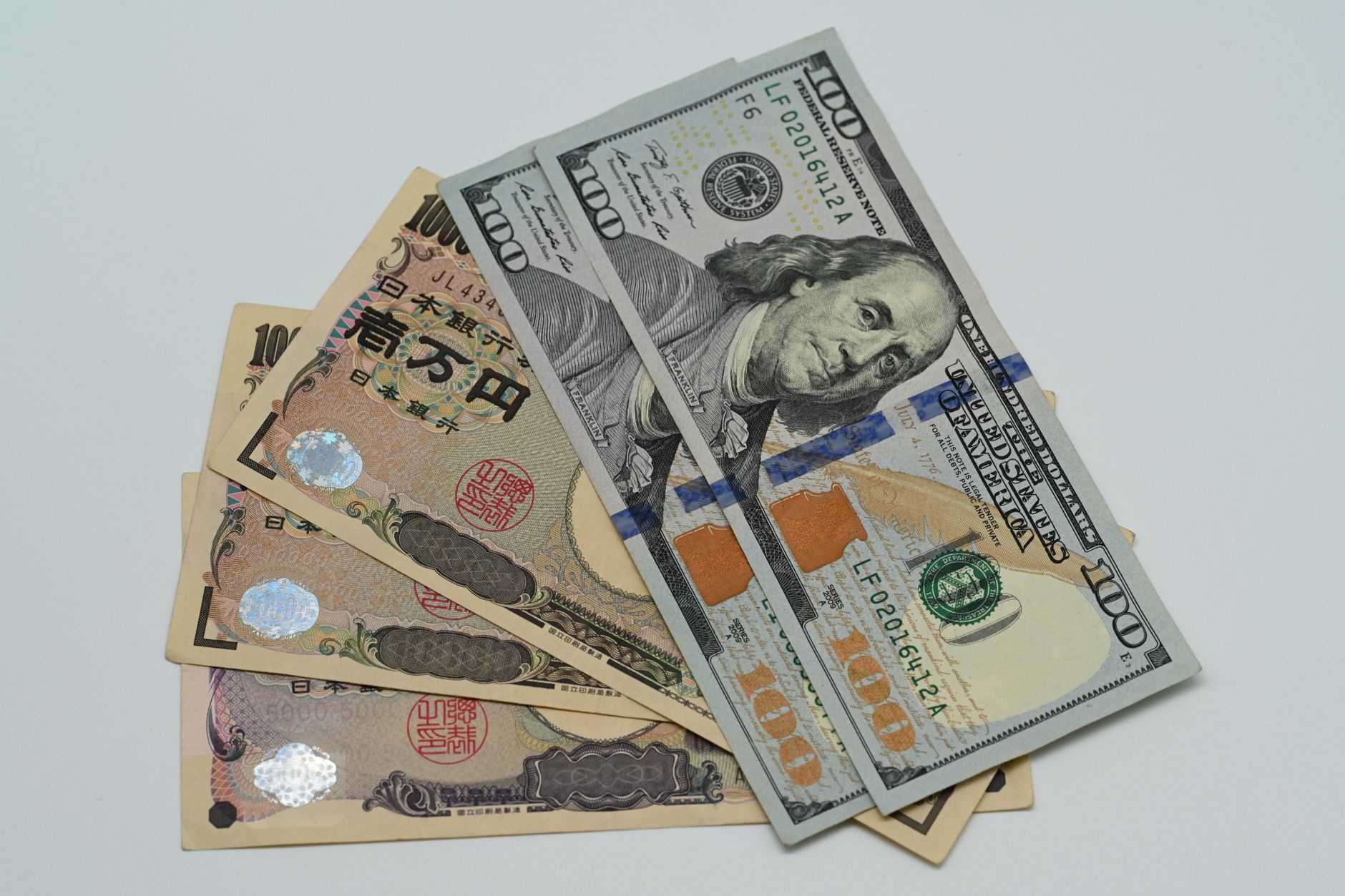
In a move that underscores the fragility of Japan's economic recovery, the government has revised its first-quarter GDP figures downward, citing unexpectedly weak business spending as a primary factor. This cautious adjustment reflects broader global uncertainties, notably the geopolitical tensions in the Middle East, which have cast a shadow over investor confidence.
The latest figures from the Japanese Ministry of Finance reveal that capital spending rose by a mere 0.047% year-on-year, a stark departure from the 4% growth analysts had anticipated. This comes after a previously robust increase of 6.5% in the prior period, highlighting a significant slowdown. Seasonally adjusted figures show a 2% decline on a quarterly basis, further compounding concerns.
Analysts from Meiji Yasuda Research Institute indicate that the subdued spending is partly a consequence of geopolitical instability affecting Japan's major trading partners in the Middle East. Such dynamics have led to a cautious approach among businesses wary of investing amid uncertainties. The Japanese yen's weakening, down 1.68% over the past month alone, adds another layer of complexity, potentially inflating import costs and squeezing profit margins.
Global Implications and Domestic Challenges
Japan's economic performance is closely watched as a bellwether for global trade health. With the yen having depreciated by nearly 12% over the past year, the cost of importing goods has risen, further burdening Japanese companies reliant on foreign raw materials. This scenario has intensified the challenge of maintaining economic growth while managing inflationary pressures.
Mizuho Securities analysts suggest that the current economic conditions could prompt a more accommodative fiscal policy stance from the Japanese government. There may be increased pressure on monetary authorities to stabilise the yen and support domestic industries through targeted interventions.
As Japan navigates these headwinds, it remains to be seen how effectively it can bolster business investment and sustain economic momentum. The coming quarters will be pivotal in determining whether Japan can mitigate external pressures and stimulate a more resilient economic recovery.