Joseph Vijay: From Silver Screen to Tamil Nadu's Political Stage
Joseph Vijay, affectionately known as 'Thalapathy', has always been a larger-than-life figure in Tamil cinema. With his charismatic presence and formidable fan base, Vijay's foray into politics was anticipated by many, yet his swift rise to the position of Tamil Nadu's Chief Minister has taken both admirers and critics by surprise.
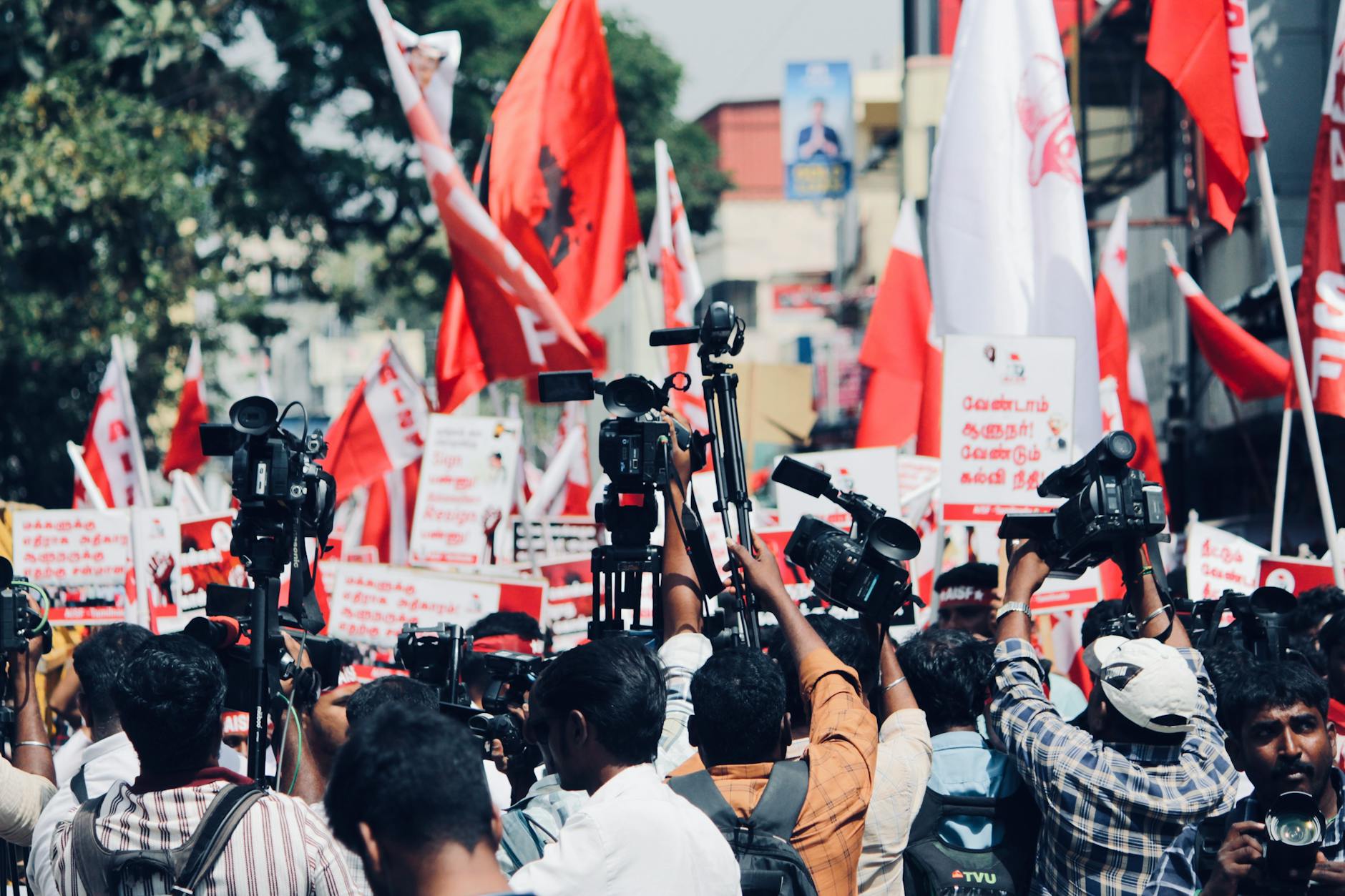
The actor-turned-politician's party, Tamilaga Vettri Kazhagam (TVK), clinched 108 out of the 234 seats in the recent state assembly elections, a feat that has disrupted the longstanding Dravidian duopoly. This victory is not merely a personal triumph for Vijay but a seismic shift in Tamil Nadu's political terrain, traditionally dominated by the DMK and AIADMK.
A New Political Era
For decades, Tamil Nadu politics has been interwoven with the film industry, a trend that began with the likes of M.G. Ramachandran and Jayalalithaa. Vijay's entry is a continuation of this legacy, yet his victory signals the advent of a new era. His campaign capitalised on his celebrity status, leveraging both his film persona and a narrative of change that resonated with the electorate.
Vijay's leadership of TVK, a party distinct from the traditional Dravidian rhetoric, appeals to a new generation of voters disenchanted with conventional political narratives. His promise of transparency and development has struck a chord with the public, eager for transformation.
The Road Ahead
However, the transition from cinema to the corridors of power is fraught with challenges. Vijay's leadership will be tested in addressing the diverse needs of Tamil Nadu's populace. The state, with its rich cultural tapestry and complex socio-political fabric, requires more than star power to govern effectively. Observers and political analysts will be keenly watching how Vijay balances his celebrity appeal with the pragmatic demands of governance.
As Tamil Nadu steps into this uncharted territory with a film star at its helm, the journey of Joseph Vijay from the silver screen to the seat of political power is set to be closely scrutinised. His success or failure could redefine the role of cinema in the state's political discourse.