Kalhatty Ghat Road Closure Sparks Business Owners' Outcry
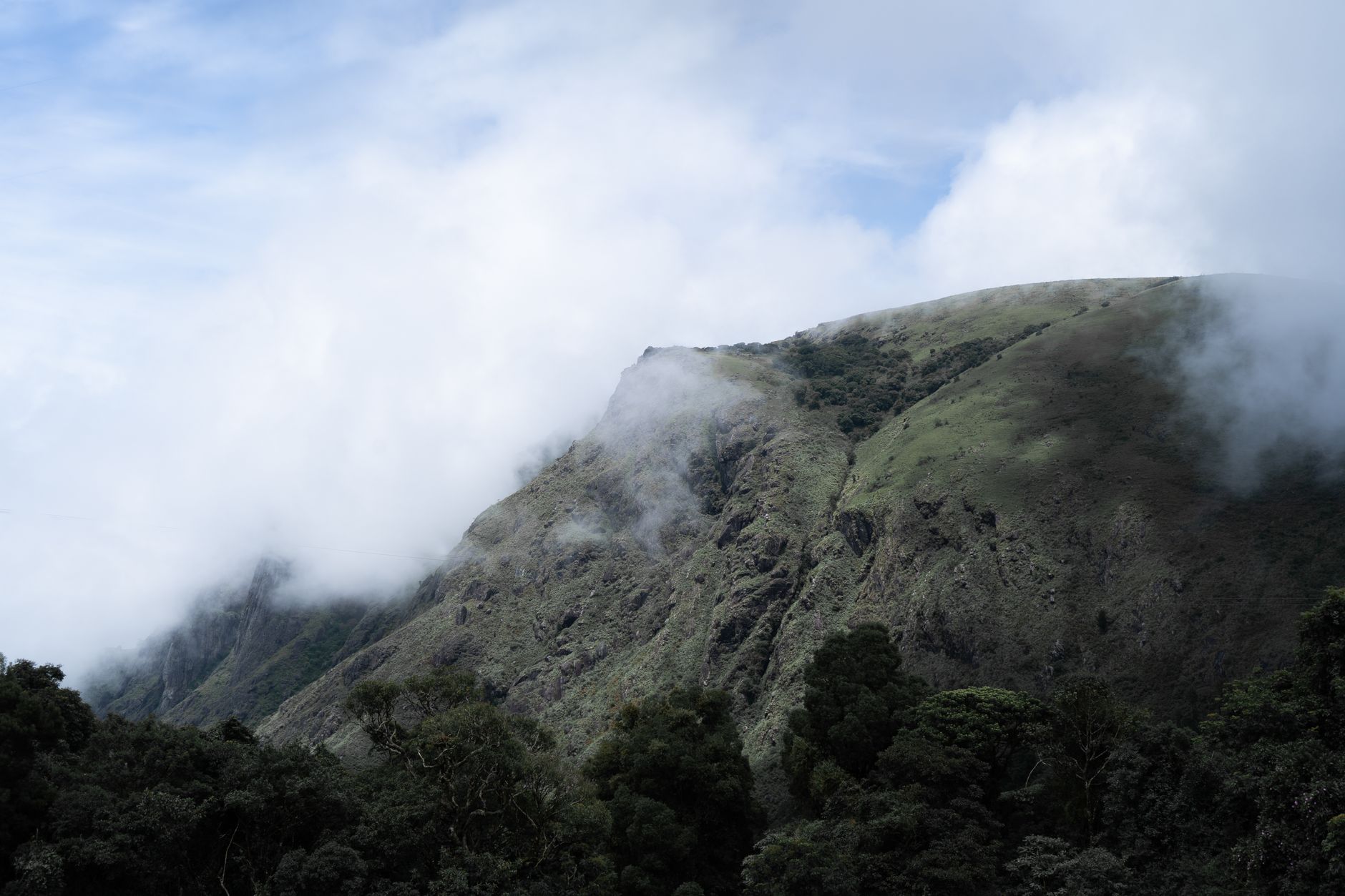
In the heart of the Nilgiris, a simmering discontent brews among local business owners. The focus of their ire? The closure of Kalhatty Ghat Road to tourist vehicles, a move that threatens to upend their livelihoods.
For the past two years, the picturesque yet perilous route, adorned with 36 treacherous hairpin bends, has been deemed off-limits for tourists. This decision, aimed at averting accidents on one of the steepest roads in the region, has not been met with universal approval.
Local entrepreneurs, whose businesses have thrived on the steady flow of tourists through this gateway to the tiger reserve, are understandably perturbed. While the authorities have assured that an alternative route via Gudalur remains open, this does little to assuage the fears of those whose income depends on the traffic through Kalhatty Ghat.
Economic Concerns
Business owners argue that even a 30-minute detour represents more than just inconvenience; it is a potential revenue drain. The allure of the Kalhatty Ghat Road, with its promise of a scenic drive, has traditionally been a magnet for tourists. Its closure, even if temporary, is seen as a significant blow to the local economy.
The decision to close the road for the duration of the current tourist season has been justified as a safety measure. Yet, for those who run hotels, restaurants, and shops along the route, the rationale offers little comfort.
The Bigger Picture
Beyond the immediate economic impact, this development raises questions about balancing safety, conservation, and local livelihoods. The Nilgiris, renowned for its natural beauty and biodiversity, faces the perennial challenge of managing tourism sustainably.
While the residents' vehicles are exempt from the restrictions, the distinction offers scant solace to business owners. The fear is that once tourists adjust to the Gudalur route, they might never return to the Kalhatty path, even when it reopens.
As the debate unfolds, the authorities face the delicate task of addressing safety concerns without inadvertently stifling the very economy they seek to protect. It's a challenging balancing act, one that requires careful consideration and open dialogue with all stakeholders involved.