Karnataka High Court Halts KR Market Demolitions Amid Licence Controversy
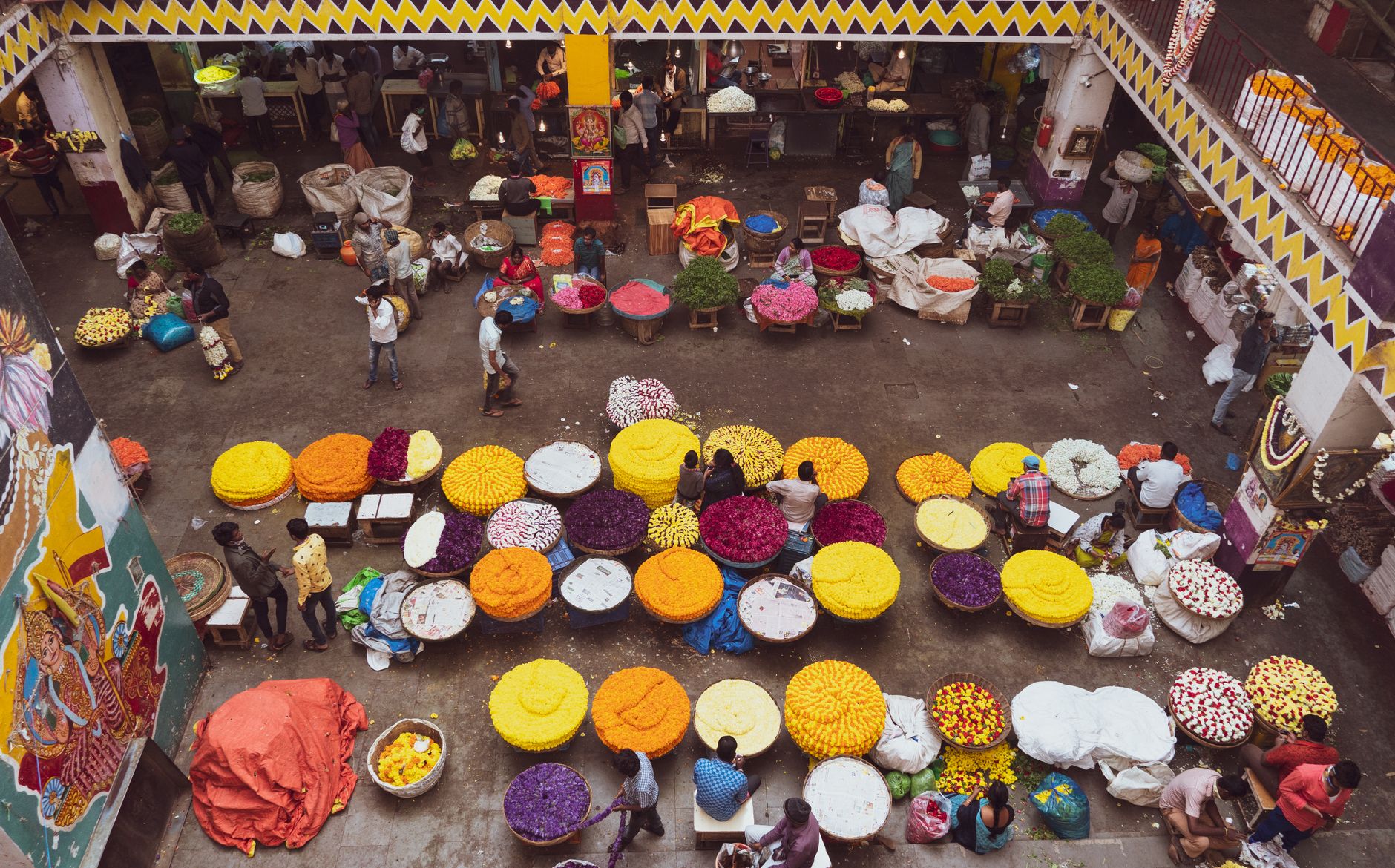
The bustling KR Market in Bangalore, a hub for traders and shoppers alike, finds itself at the centre of a legal tug-of-war. The Karnataka High Court has issued an interim order staying the demolition of shops, but not without imposing strict conditions on their operation. The court's decision follows allegations of forged licences, a matter that has cast a shadow over the future of these market stalls.
This judicial intervention comes as a relief to many shopkeepers who feared the loss of their livelihoods. However, the court's ruling is a double-edged sword. While demolition is temporarily halted, the shops are barred from conducting any business until further notice. The court highlighted the need to ascertain the legitimacy of the trading licences, a process that could take weeks, if not months.
The controversy began when Mangaluru City Corporation initiated proceedings to demolish parts of the market, citing unauthorised constructions. Shopkeepers, however, have challenged these claims, arguing that their premises are legitimate and that they have been unfairly targeted. The High Court's directive to pause demolition proceedings until the next hearing offers them a momentary reprieve.
Licence Verification Crucial
The court's insistence on verifying the licences underscores a broader issue of regulatory compliance within such markets. It raises the question of how many traders might be operating under similar circumstances, their livelihoods hanging by a thread due to bureaucratic oversight or malfeasance.
While the market stalls remain shuttered, the traders and their families face uncertainty. The court's temporary injunction, though a lifeline, also serves as a stark reminder of the precarious nature of informal business operations in urban India. For the city administration, the case highlights the challenges in balancing urban development with the needs of small-scale traders.
A Wider Implication
This case is emblematic of the ongoing struggle between development and tradition in Indian cities. As urban areas expand and modernise, spaces like KR Market, with their rich history and economic significance, often find themselves caught in the crossfire. The court's decision is not just about the fate of a few shops; it's a commentary on the future of such markets across the country.