Karnataka's Shivakumar Criticises IPL Venue Shift to Gujarat
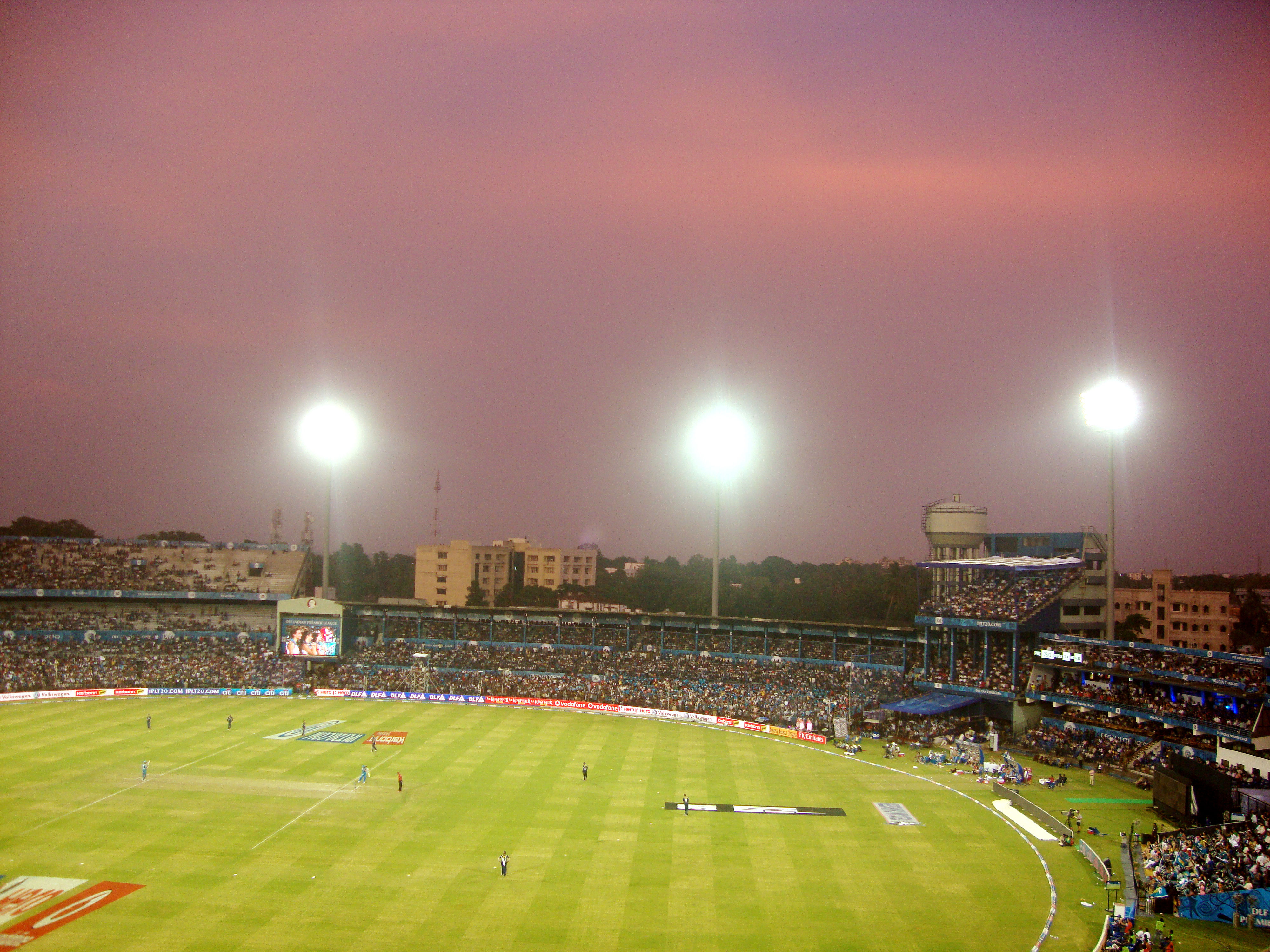
In a move that has ruffled feathers in Karnataka's political and sporting circles, the Indian Premier League (IPL) organisers have decided to shift the 2026 final from Bengaluru to Ahmedabad. The decision, met with sharp criticism from Karnataka's Chief Minister-designate DK Shivakumar, has ignited conversations about the political undercurrents influencing sports in India.
Shivakumar, soon to take office as the state's leader, minced no words in decrying the shift as an act of injustice. "It's not just about the game; it's about respecting the sentiments of our people," he stated, pointing out the influence allegedly wielded by Gujarat in the decision-making process. The Narendra Modi Stadium in Ahmedabad, known for its colossal capacity, was cited by organisers as the preferred venue for hosting the event.
Political Influence and Regional Bias
The decision has sparked a debate on the delicate balance between sports and politics in India. Critics argue that the shift reflects a regional bias, favouring Gujarat over Karnataka, a state with a burgeoning cricket fanbase and a rich sporting history. This controversy comes at a time when the political clout of different states is under scrutiny, raising questions about fairness in national events.
While the organisers maintain that logistical advantages justified the move, Shivakumar has vowed to protect Karnataka's interests, suggesting that the decision undermines Bengaluru's capability to host such prestigious events. The city, he argues, has proven its mettle repeatedly in the past.
Implications for Indian Cricket
This venue shift is not merely a logistical adjustment but a reflection of the broader challenges facing Indian cricket. The intertwining of politics and sports is not new, yet it remains a contentious issue. With the IPL being one of the most-watched sporting leagues globally, decisions like these carry weighty implications, not just for the sport, but for regional pride and economic benefits tied to hosting such events.
As the discussions continue, Shivakumar's firm stance signals a broader pushback against perceived injustices, possibly heralding a shift in how regional interests are negotiated in the realm of Indian sports.