Kashmir's Militarisation Casts Shadow on Girls’ Education
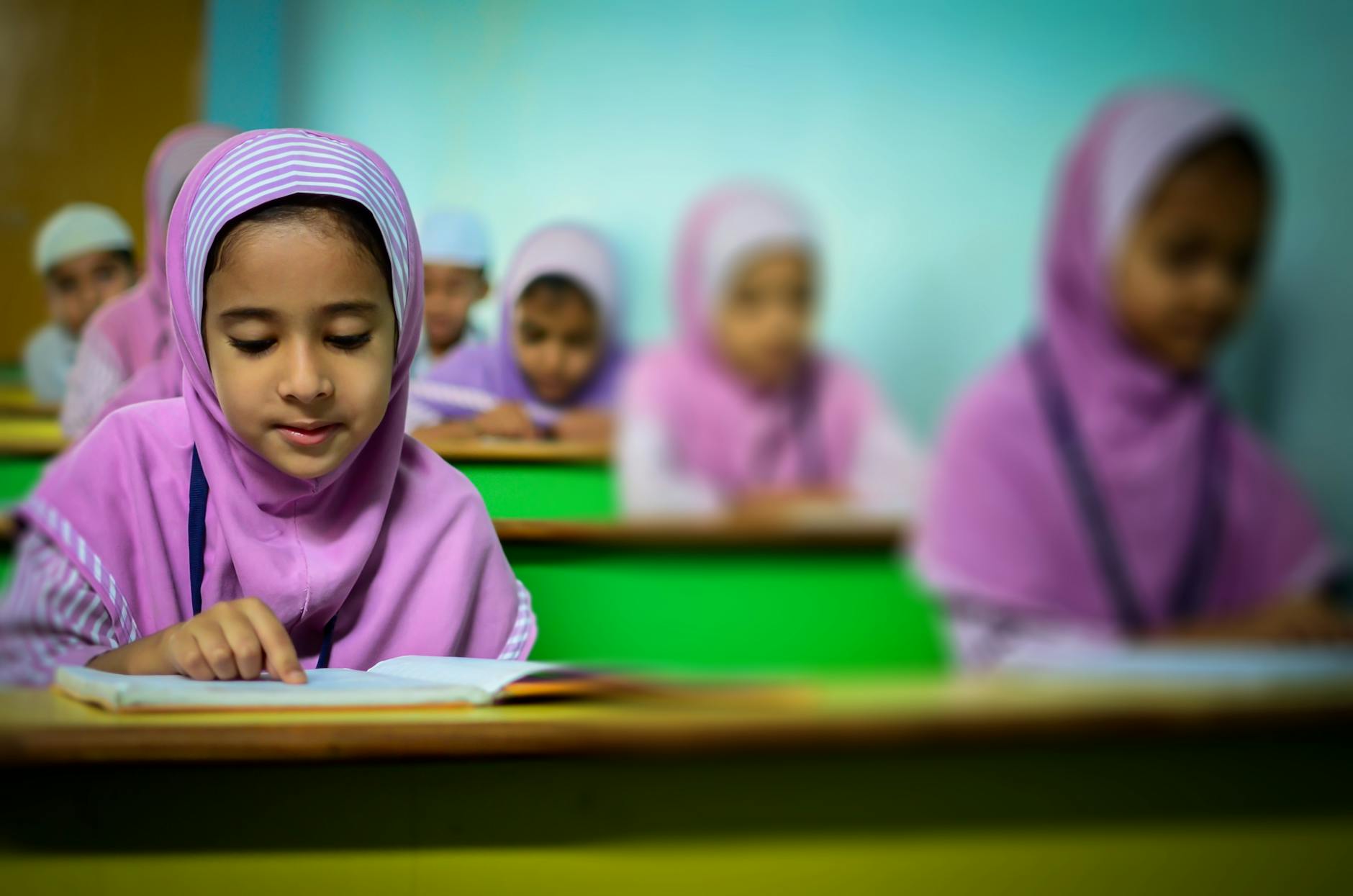
In the picturesque yet politically fraught region of Jammu and Kashmir, the omnipresence of military personnel is not merely a reminder of ongoing conflicts but a significant impediment to female education. While the mountains echo tales of resilience, the reality for many young women is a struggle against an educational system hampered by militarisation.
The literacy rate among women in Jammu and Kashmir is a mere 58 per cent, starkly lower than their male counterparts at 78 per cent. These figures, drawn from the Status of Education Report 2023, paint a bleak picture of educational access for girls in a region that has seen its fair share of turmoil. The presence of armed forces, intended as a shield against insurgency, inadvertently casts a long shadow over educational institutions, deterring young women from attending school.
The Impact of Militarisation
For families, the decision to educate daughters is fraught with concerns over safety, particularly in the aftermath of Article 370's abrogation, which has intensified security measures. The sight of soldiers and checkpoints is part of everyday life, yet it paradoxically contributes to an environment where education is sidelined. The societal pressure to conform to rigid gender roles only compounds the problem, leaving many girls confined to their homes.
While the state's cultural narrative is rich and varied, the political narrative often overshadows the needs of its younger generations. In a place where education should be a gateway to empowerment, it is instead hindered by external and internal forces beyond the classroom walls. The militarisation of Kashmir, an unfinished agenda of partition, continues to thwart educational progress, particularly for young women.
Steps Towards Change
Efforts are being made to address these disparities. Non-governmental organisations are working tirelessly to provide safe educational environments and advocate for policy changes. However, the road is long, and the challenges complex. The narrative of Jammu and Kashmir as a conflict zone often eclipses the urgent educational needs of its female population. Yet, the resilience of these communities offers a glimmer of hope, as they strive to reclaim education as a fundamental right.
Ultimately, the story of education in Jammu and Kashmir is one of contrast and contradiction. Amidst the echo of gunshots and the presence of uniforms, the voices of young women yearning for knowledge persist. Their battle is not just against the constraints of militarisation but against a history that has too often marginalised their aspirations.