Keir Starmer's Exit: A Turning Point for British Politics
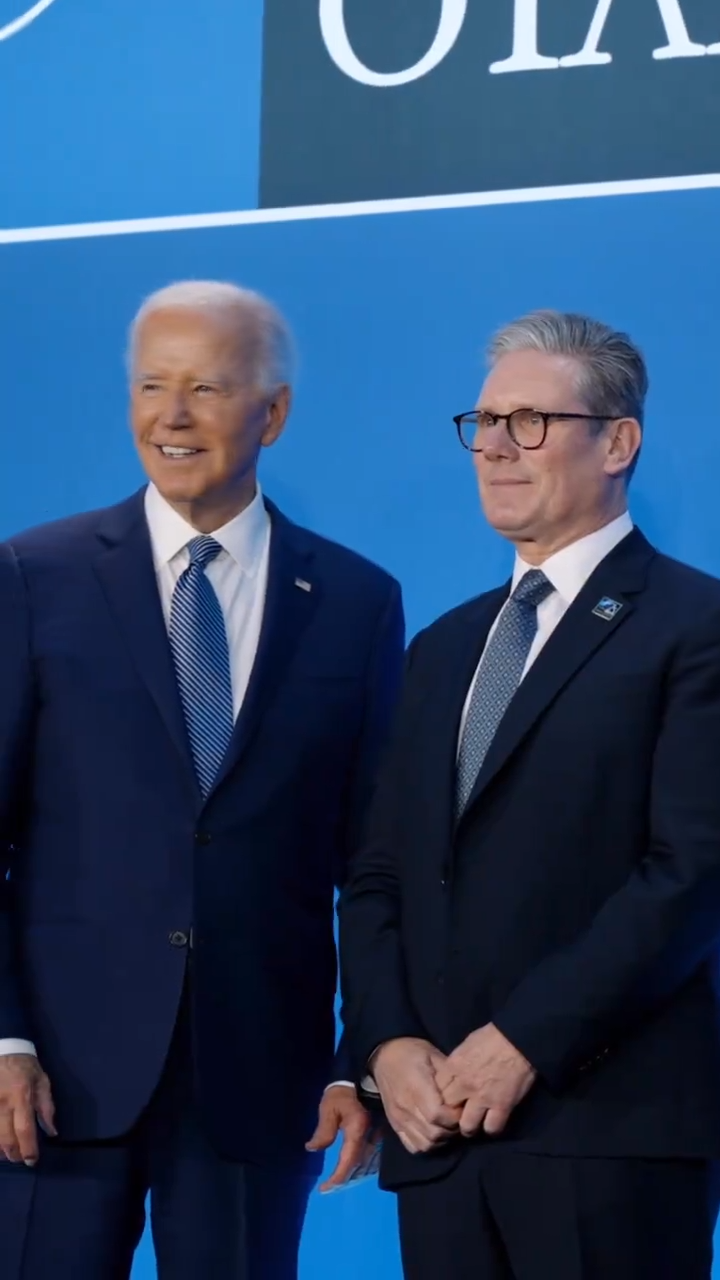
In a move that has sent ripples through the corridors of Westminster, Keir Starmer has announced his resignation as leader of the Labour Party and Prime Minister of the United Kingdom. This decision, coming just two years after his historic entry into Downing Street, underscores the mounting pressures from within his party and the wider public disillusionment with his leadership.
Starmer, who swept to power in July 2024 following a landslide victory, had been seen as the beacon of hope for many who had grown weary of 14 years of Conservative rule fraught with Brexit-induced chaos. His promises of a more stable government and a commitment to addressing the inequalities that had festered under his predecessors were initially met with optimism.
A Troubled Tenure
However, the sheen of his leadership began to tarnish as policy missteps and personnel controversies came to the fore. The recent local elections served as a stark indicator of the waning support, with Labour suffering unexpected losses that fuelled calls for Starmer's resignation. The internal party strife, coupled with external critiques, painted a picture of a leadership in crisis.
Starmer's decision to step down has been framed by some as an act of political pragmatism, allowing the party an opportunity to regroup and re-strategise ahead of the next general election. Others, however, see it as a capitulation to pressure that could fracture the party's unity further.
What Lies Ahead for Labour?
The Labour Party now finds itself at a pivotal juncture. The search for Starmer's successor will be crucial in determining the party's future direction. Will Labour pivot towards a more radical agenda to galvanise its base, or will it seek a centrist path that aims to appeal to a broader electorate? These questions loom large as the party navigates this period of uncertainty.
Starmer, meanwhile, has committed to remaining in office until his successor is chosen, ensuring a smooth transition. His departure marks not just the end of a leadership chapter but could potentially redefine the political landscape in Britain.