Keir Starmer's Exit: A Turning Point in British Politics
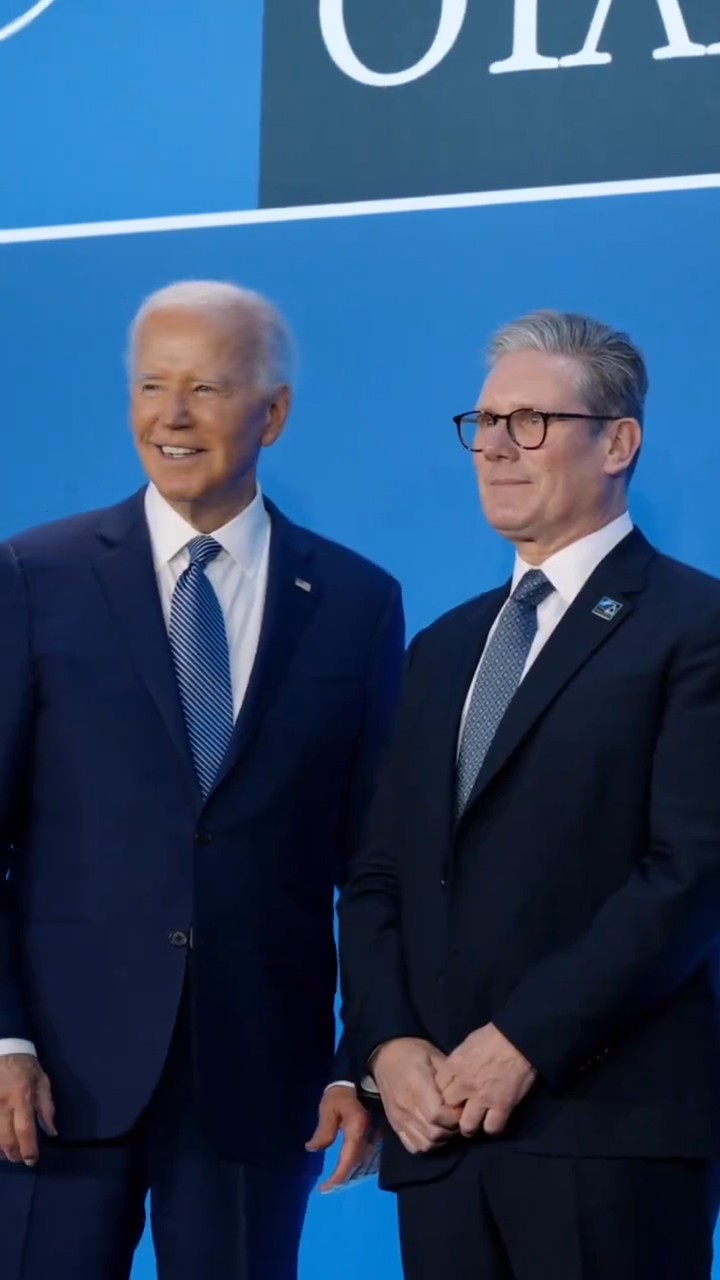
In a move that has sent ripples through the corridors of Westminster, Sir Keir Starmer has announced his resignation as Prime Minister, a decision that has taken many by surprise. Just two years after leading the Labour Party to a resounding victory, Starmer's time at the helm has come to an abrupt end, underscoring the volatile nature of British politics.
Starmer ascended to power with a mandate to heal a nation wearied by Brexit's protracted aftermath. His promise to restore stability and fairness resonated with a public eager for change after 14 years of Conservative governance. Yet, the challenges of leadership soon began to mount.
From the outset, Starmer faced a fractious political landscape. His attempts to navigate the post-Brexit economy were met with both domestic and international hurdles. The public, initially hopeful, began to lose faith as economic recovery lagged and living costs soared. It seems the weight of expectations became too burdensome, as Labour's internal divisions began to surface.
The Pressure Cooker
Insiders suggest that Starmer's resignation was precipitated by mounting pressure from within his own party. Dissenters voiced concerns over his handling of key issues, criticising what they perceived as a lack of decisive action. The erosion of voter confidence only added to the tumult, making his position increasingly untenable.
As Starmer prepares to step down, he leaves behind a party in search of direction. The Labour Party, having tasted power after a long hiatus, now faces the daunting task of choosing a leader who can unify its ranks and regain public trust. The path forward is fraught with uncertainty.
What's Next for Labour?
The political landscape is poised for change. As the Labour Party gears up for a leadership contest, the incoming leader will have to grapple with the dual challenges of reinvigorating the party's base and addressing the broader issues facing the nation.
Starmer's departure marks a turning point, not just for Labour but for British politics as a whole. It serves as a stark reminder of the precarious nature of political power and the relentless pressures faced by those who dare to lead.