Kejriwal Advocates for Wangchuk as Education Minister Amid Protest
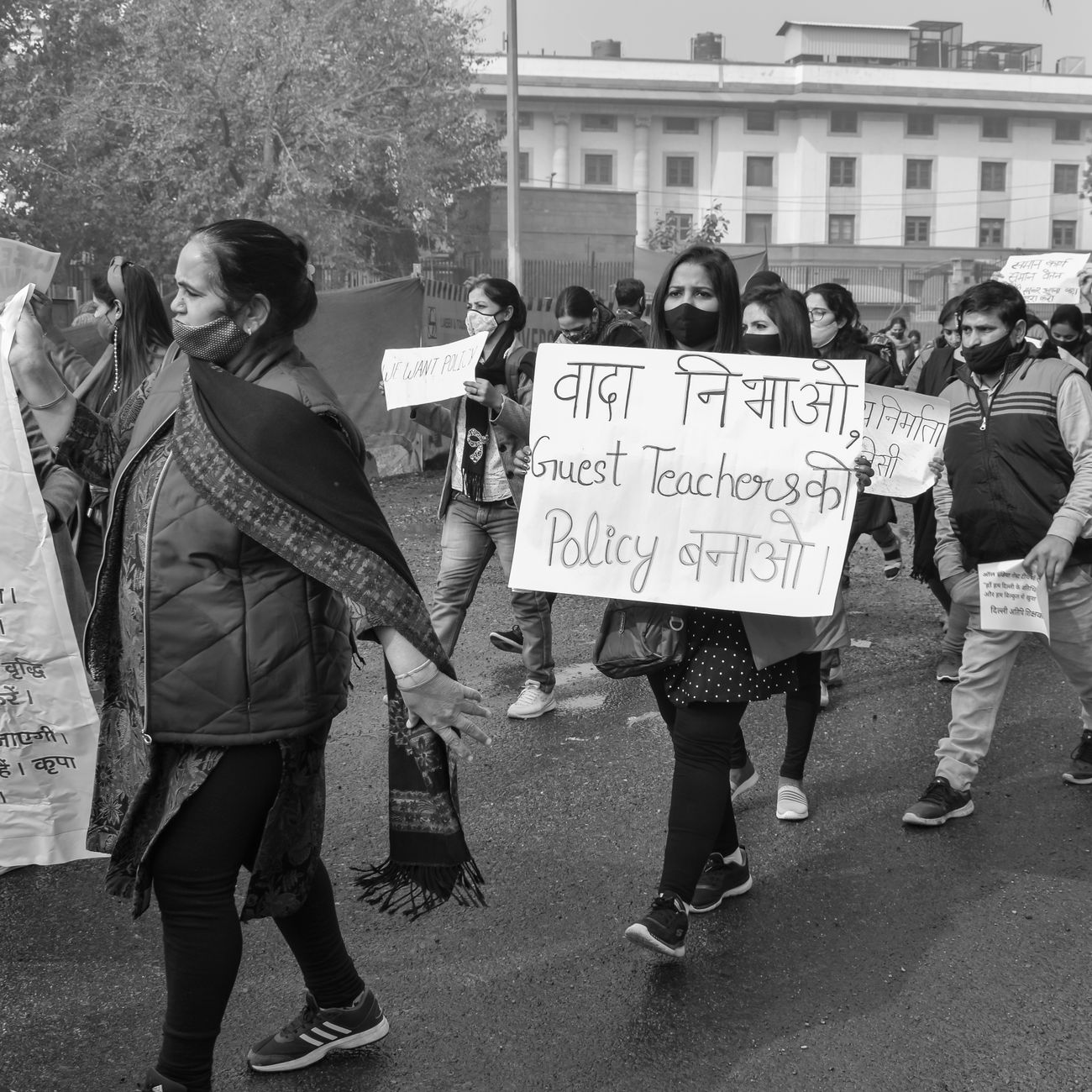
New Delhi's Jantar Mantar, a traditional site for protest, has once again become the focal point of political drama. Arvind Kejriwal, the AAP chief and former Delhi Chief Minister, has thrown his considerable political weight behind Sonam Wangchuk, a figure whose name resonates with innovation in education and climate activism. Kejriwal's visit was not merely a gesture of solidarity but a direct political statement. His suggestion that Wangchuk should replace Dharmendra Pradhan as Union Education Minister comes as a bold challenge to the status quo.
Wangchuk, who is widely celebrated for his work in sustainable education and environmental activism, has been on an indefinite hunger strike. His protest is aimed at highlighting what he perceives as deep-seated irregularities in national examinations, particularly the NEET, which is a gateway to medical colleges in India. The protest spot at Jantar Mantar echoed with slogans and placards demanding accountability and transparency, with Kejriwal adding his voice to the chorus of discontent.
Political Implications
Kejriwal's endorsement of Wangchuk as a potential education minister is more than just rhetoric; it is a strategic move against the BJP-led central government. By aligning himself with Wangchuk’s cause, Kejriwal is tapping into the widespread frustration of students and educators alike. The NEET examination has been a lightning rod for controversy, with allegations of irregularities undermining its credibility.
The call for Dharmendra Pradhan’s resignation is not without precedent. The current Education Minister has faced criticism over his handling of educational reforms and examination processes. Kejriwal, ever the astute politician, warned the BJP of a '2014-like fate', alluding to the public discontent that contributed to significant political shifts.
The Larger Picture
Beyond the immediate political manoeuvrings, this protest highlights a crucial issue in the Indian education system. The demand for transparency and reform in national examinations reflects a broader desire for accountability in governance. Wangchuk, with his reputation for challenging the educational norms, embodies this demand for change.
As the hunger strike continues, the question remains whether Kejriwal's proposal will gain traction. Yet, the protest has undoubtedly succeeded in capturing public attention, putting education reform squarely in the spotlight. Whether this results in any substantive policy changes remains to be seen, but the voices at Jantar Mantar are unlikely to be silenced without a response.