Kejriwal Vows Relentless Pursuit in Political Row with BJP
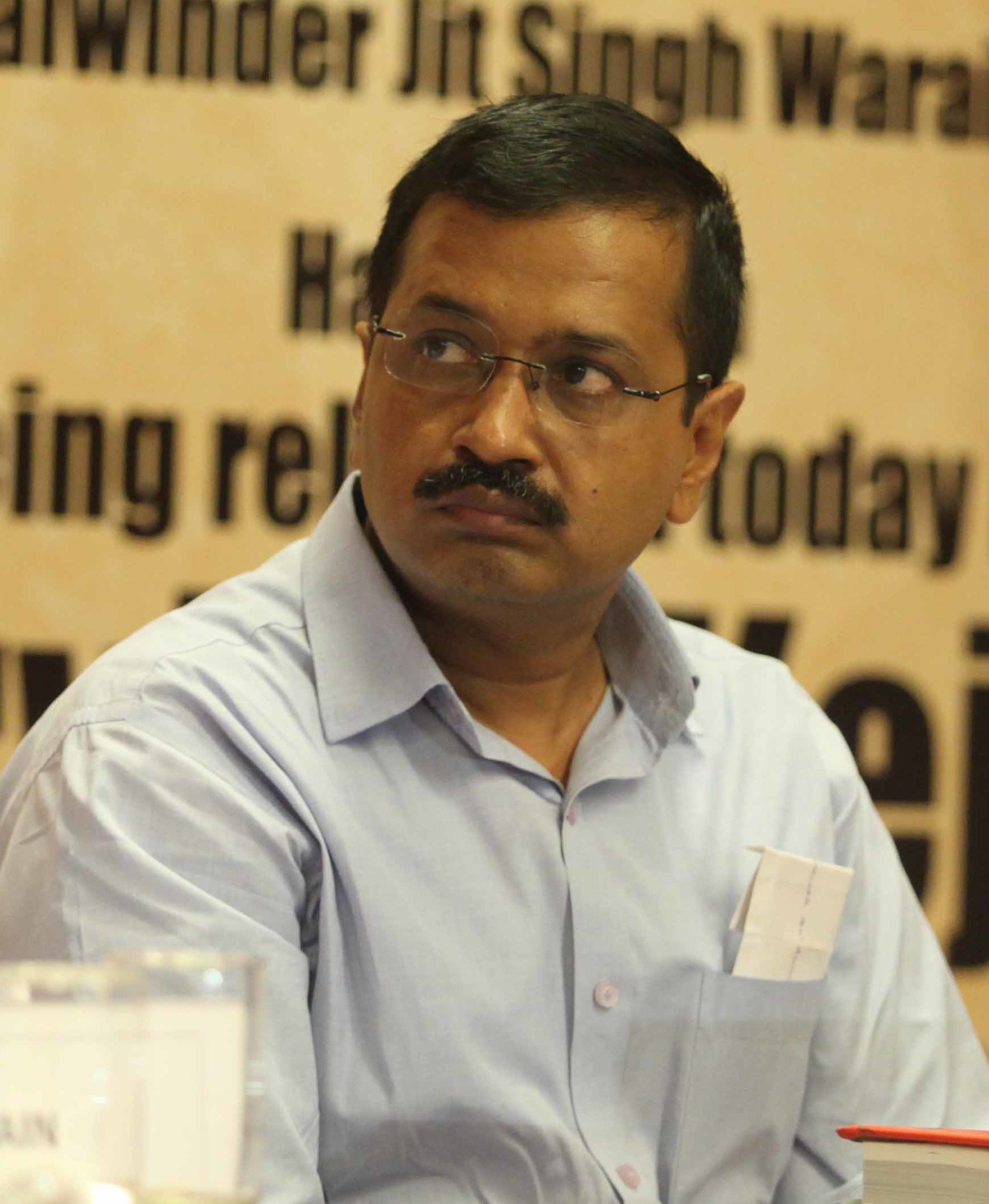
In a fiery exchange that has captured the attention of political pundits across India, Arvind Kejriwal, the leader of the Aam Aadmi Party (AAP), has vowed to leave no stone unturned until those he accuses are brought to justice. 'I won't rest until they are hanged,' declared Kejriwal, in response to the BJP's critique of his religious engagements.
The latest political spat erupted after Kejriwal attended a 'Sundarkand Path' at Japanese Park in Rohini, alongside his wife and senior AAP officials. The BJP, not one to shy away from a confrontation, swiftly labelled Kejriwal a 'political Hindu', accusing him of wielding religion as a tool for electoral gains.
Kejriwal, however, turned the tables, criticising the BJP for allegedly exploiting religious sentiments to secure power. He accused them of hypocrisy, stating, 'They came to power using Lord Ram's name and now it's Lord Ram who will drive them out.' Such statements are not merely rhetoric but reflect a deeper political strategy, aimed at resonating with a voter base that holds religious values dear.
The backdrop to this contentious exchange is a broader debate over the role of religion in Indian politics. With the construction of the Ram Temple in Ayodhya—an emblematic issue for many Hindus—political leaders are eager to position themselves as the true defenders of faith.
Kejriwal's remarks about the BJP's 'demonic tendencies' for opposing the Sundarkand recitation add another layer to the ongoing saga of political theatrics. His bold rhetoric underscores a tactical move to position AAP as a party of genuine devotion, contrasting with the BJP's alleged superficial use of religion.
While some might view this as mere political posturing, the implications are significant. The tussle over religious identity and authenticity could sway voter sentiment in upcoming elections. As Kejriwal doubles down on his assertions, it remains evident that the intersection of religion and politics continues to be a potent, albeit perilous, battleground in India's democratic discourse.