Kenya's AI Health Reforms: A Costly Burden for the Poor
In the bustling streets of Nairobi, a silent revolution is underway. Kenya, a nation eager to cement its status as a technological trailblazer, is harnessing AI to reform its healthcare system. But in a country where technological ambition often collides with stark socioeconomic realities, the AI-driven reforms are proving to be a double-edged sword.
At the heart of the controversy is the use of proxy means testing (PMT), a decades-old method intended to estimate the incomes of the poor by observing their possessions and life circumstances. This approach, a relic from World Bank initiatives, is criticised for its inability to capture the nuanced realities of poverty. For many Kenyans, the algorithmic assessments are far removed from their lived experiences, often resulting in skewed data that misdirects vital resources.
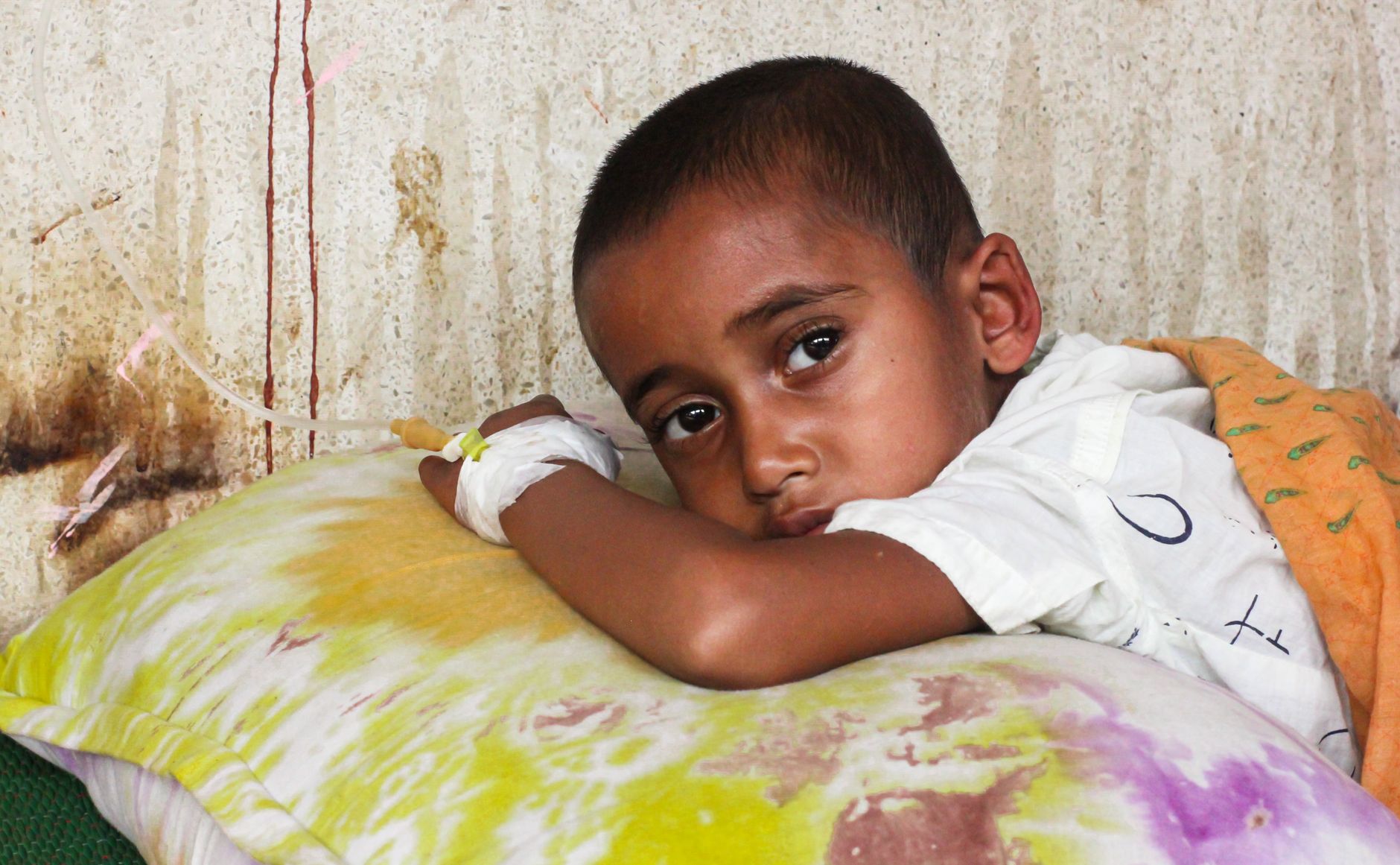
For households already battling the pervasive challenge of malnutrition, particularly among children, the stakes could not be higher. Malnutrition remains a leading cause of illness and death among Kenyan children, and the AI reforms, rather than alleviating this burden, are inadvertently piling on more costs. As the system misidentifies those in need, many poor families find themselves excluded from receiving essential subsidies and support.
The Flawed Logic of AI
The allure of AI lies in its promise of efficiency and precision. Yet, when applied to the complex issue of healthcare in a diverse and economically stratified nation like Kenya, the results can be discordant. Critics argue that the technology, while advanced, lacks the empathy and understanding necessary to effectively serve the poorest strata of society.
As Kenya positions itself as a hub for digital innovation, it must reconcile its technological aspirations with the very real needs of its citizens. The government, amid growing criticism, has promised to review the AI systems and address the identified shortcomings. However, for many, the question remains whether these reforms can truly deliver equitable healthcare without exacerbating existing inequalities.
Looking Forward
While Kenya's AI blueprint is a testament to its forward-thinking approach, it underscores the need for a balanced strategy that combines technological advancement with social sensitivity. The global community watches closely, not just for the technological strides, but for the human stories that unfold as Kenya's digital labour force advocates for change. The nation's journey is as much about technological prowess as it is about recognising the courage and resilience of its people.