Kenya's Education Conundrum: Balancing Languages
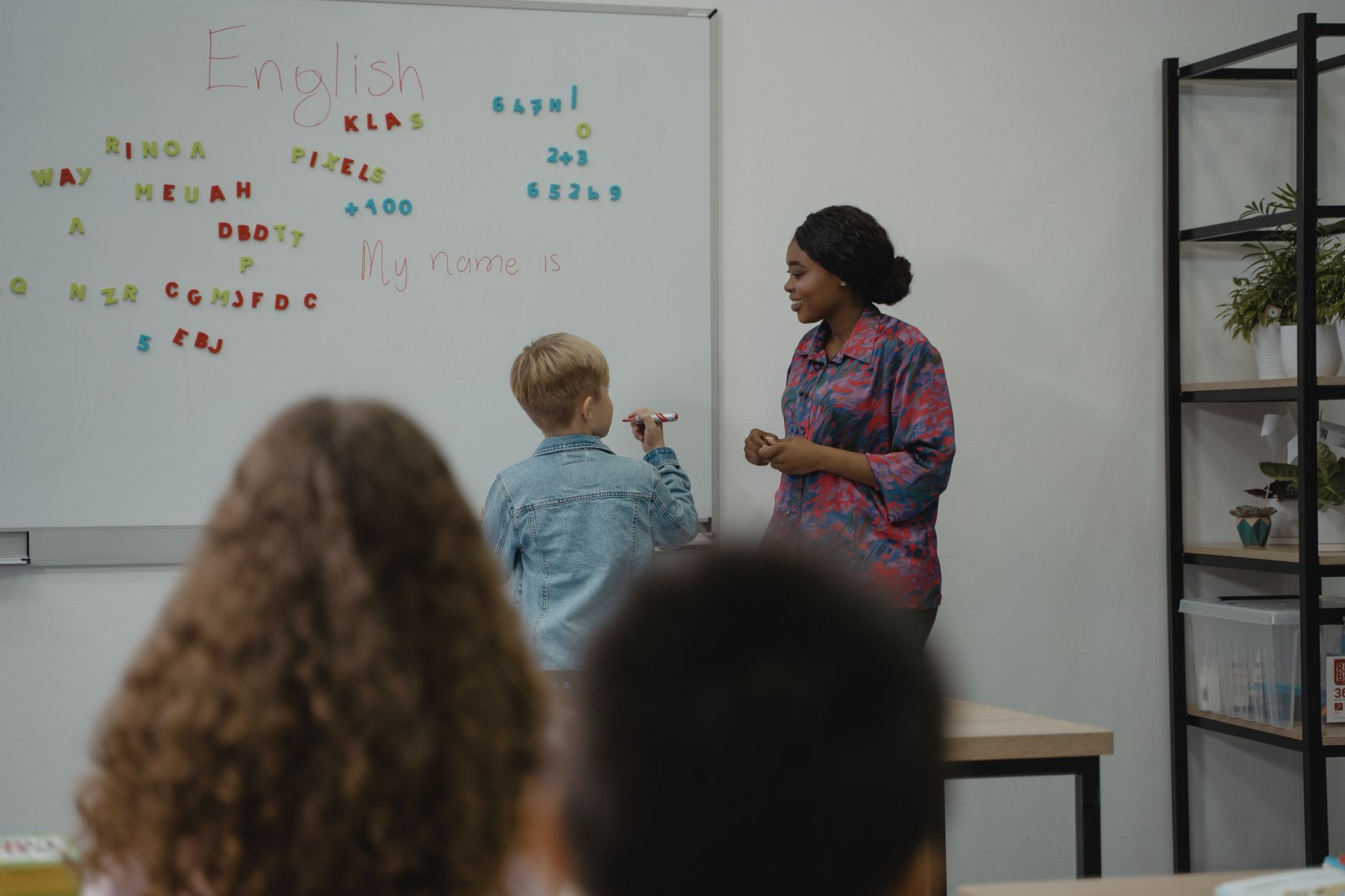
In the bustling classrooms of Nairobi, a quiet struggle unfolds daily. Teachers and students alike navigate the complexities of learning in a language that is not their own. This is the reality for many in Kenya, where English has long been the official language of instruction. Yet, beneath the surface, there's a growing conversation about the role of indigenous languages in education.
Kenya's education policy mandates English as the primary medium of instruction from the fourth grade onwards. The rationale is clear: English is seen as a gateway to global opportunities and economic advancement. It is the language of business, international relations, and higher education. However, the emphasis on English often sidelines native languages, which are rich in cultural heritage and personal meaning for students.
Cultural Identity vs. Global Competitiveness
For many Kenyan families, the dilemma is poignant. On one hand, they recognise the importance of English in a globalised world. On the other, there is a deep-seated desire to preserve and promote their mother tongues. This tension is not unique to Kenya but is emblematic of a wider struggle faced by many post-colonial nations.
Research suggests that children learn best in their first language, especially in the early years of education. It enhances comprehension and cognitive development. Yet, in a country like Kenya, where over 60 languages are spoken, implementing mother tongue education is a logistical challenge.
Possible Pathways Forward
Some educators advocate for a bilingual approach, where both English and local languages are used in tandem. This, they argue, could bridge the gap between cultural identity and global competitiveness. Such models have found success in other multilingual societies.
The Kenyan government is aware of these challenges and has shown interest in reforms. Pilot programmes in some regions aim to integrate local languages into the curriculum. However, the road ahead is complex, requiring careful planning and substantial investment in teacher training and resources.
As Kenya continues to debate its educational future, the stakes are high. The outcome will not only shape the nation's academic landscape but also its cultural and social fabric. For now, the dialogue continues, echoing in classrooms, homes, and policy circles across the country.