Kerala Cracks Down on Kadambrayar Polluters Amid Tribunal Pressure
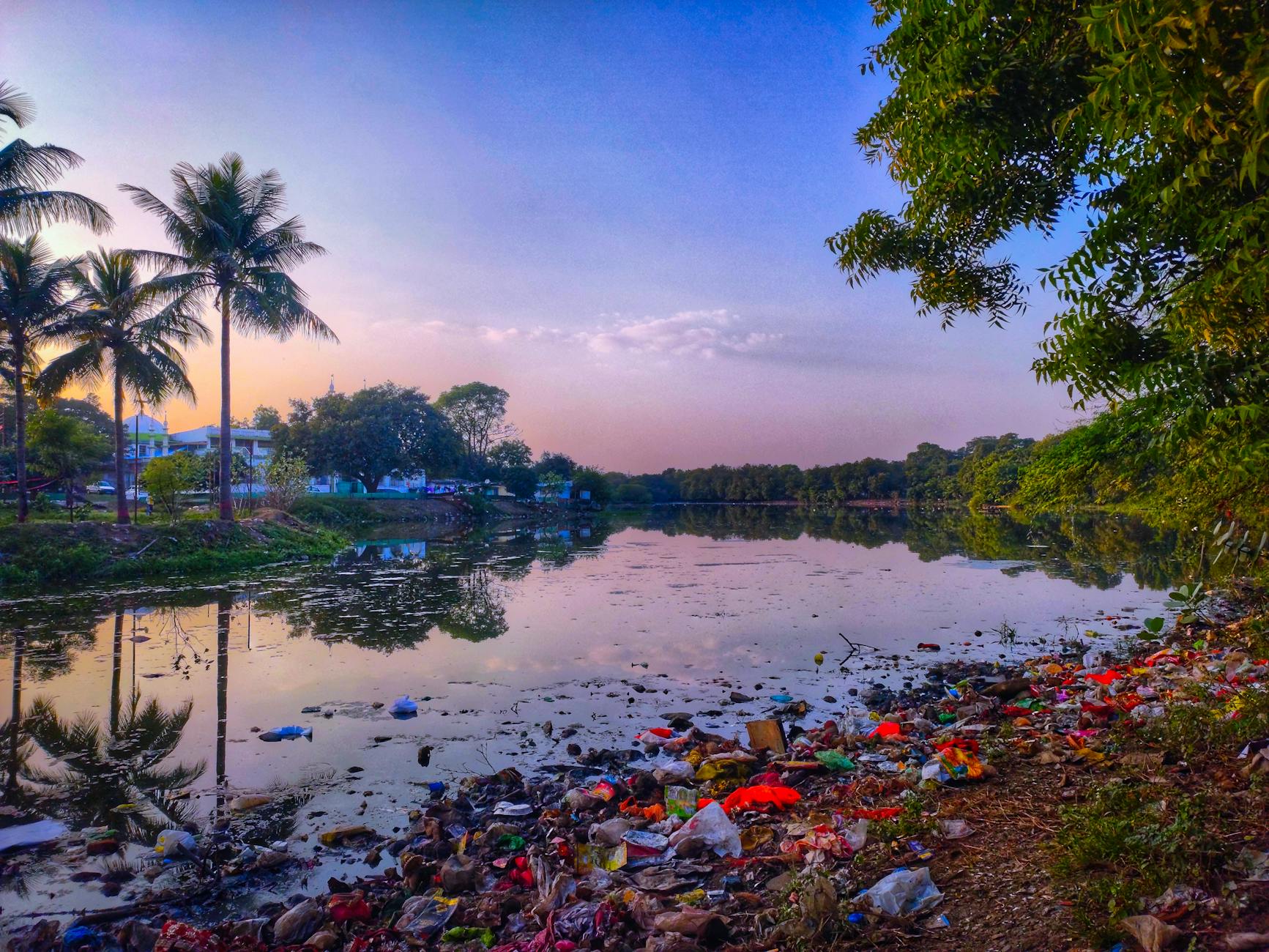
As dawn breaks over the verdant landscapes of Ernakulam, the Kerala State Pollution Control Board (PCB) finds itself under scrutiny, tasked with addressing an environmental challenge that has long simmered in the backdrop. The spotlight is now firmly on the PCB as it embarks on a crucial mission to inspect industrial units suspected of polluting the Kadambrayar River.
This latest move by the PCB comes in response to a directive from India's National Green Tribunal (NGT), which had earlier mandated the Board to levy environmental compensation on offenders. The tribunal's order, issued months ago, was clear—calculate the compensation based on the volume and nature of pollutants discharged. However, progress had been sluggish, prompting criticism from environmentalists and local communities alike.
The Tribunal's Directive
The NGT's involvement underscores the gravity of the situation. The river, a vital ecological artery for Ernakulam, has suffered from unchecked industrial discharge. The tribunal's directive was not merely bureaucratic; it was a clarion call to action. Yet, the delay in implementation reflects a broader challenge within environmental governance—how to balance industrial growth with ecological preservation.
Environmentalists argue that this delay has exacerbated the river's degradation, impacting biodiversity and local livelihoods. The PCB's inspections, which are now underway, aim to identify and penalise the culprits, thereby setting a precedent for corporate accountability in environmental stewardship.
Restoring Ecological Balance
The pressing question remains: can the PCB deliver on its promise this time? The inspections are a step in the right direction, but they are only part of a larger puzzle. Effective enforcement of penalties and ensuring compliance will be pivotal. Furthermore, the initiative must be accompanied by sustainable practices that prevent future violations.
Local communities, who rely on the river for their daily needs, remain cautiously optimistic. For them, the Kadambrayar is more than just a waterbody; it is a lifeline intertwined with their cultural and economic fabric. As the PCB's efforts unfold, the hope is for a cleaner, healthier river that can sustain both the ecosystem and the community.