Kerala's 'Dry Day' Calendar: A Strategic Defence Against Monsoon Illness
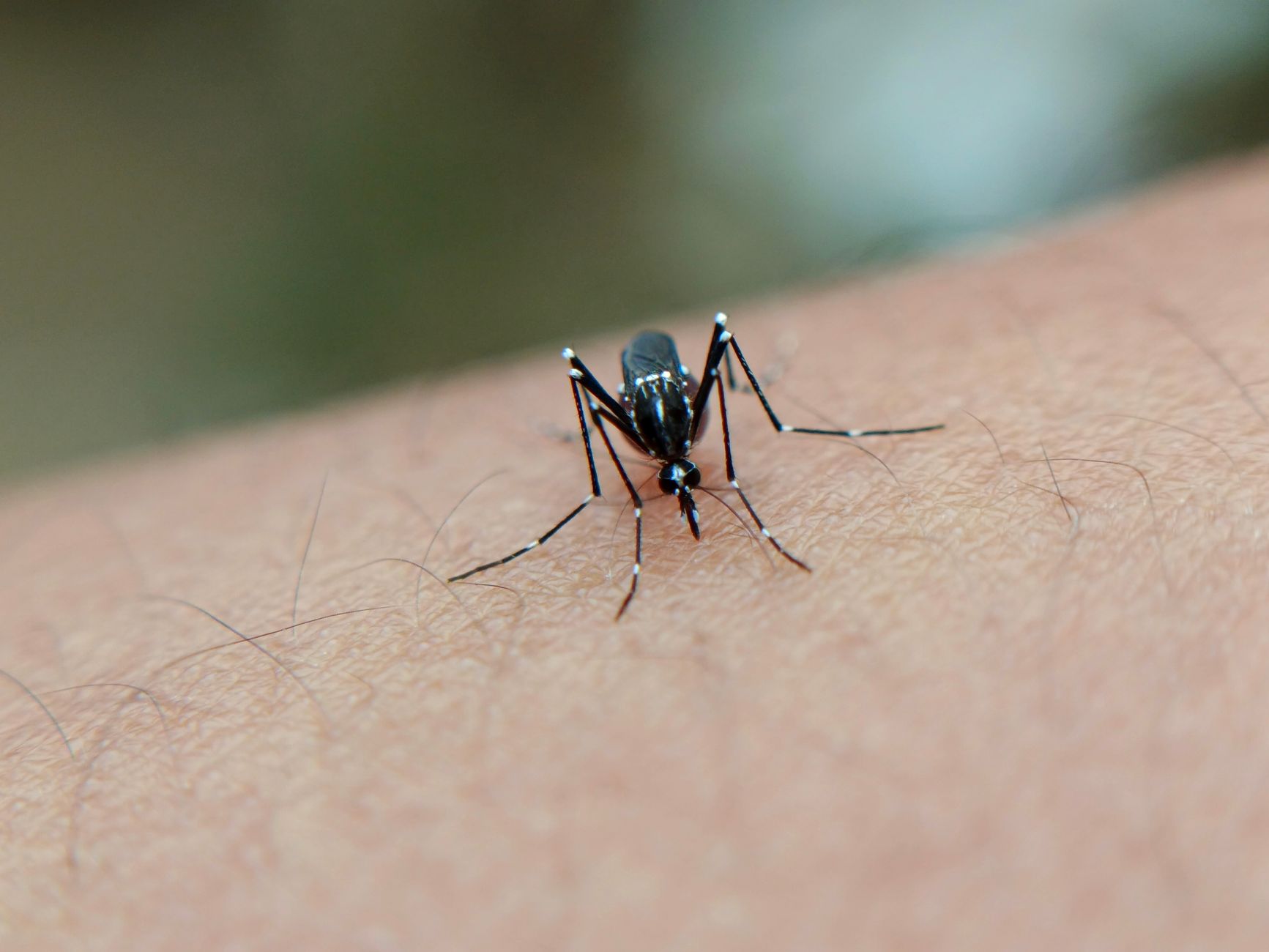
As the monsoon clouds gather ominously over Kerala, the Health Department has announced a novel initiative to combat the seasonal spike in communicable diseases. Introducing a 'Dry Day' calendar, the department plans to dedicate three days each week to rigorous community-led sanitation efforts aimed at curbing the spread of diseases like dengue.
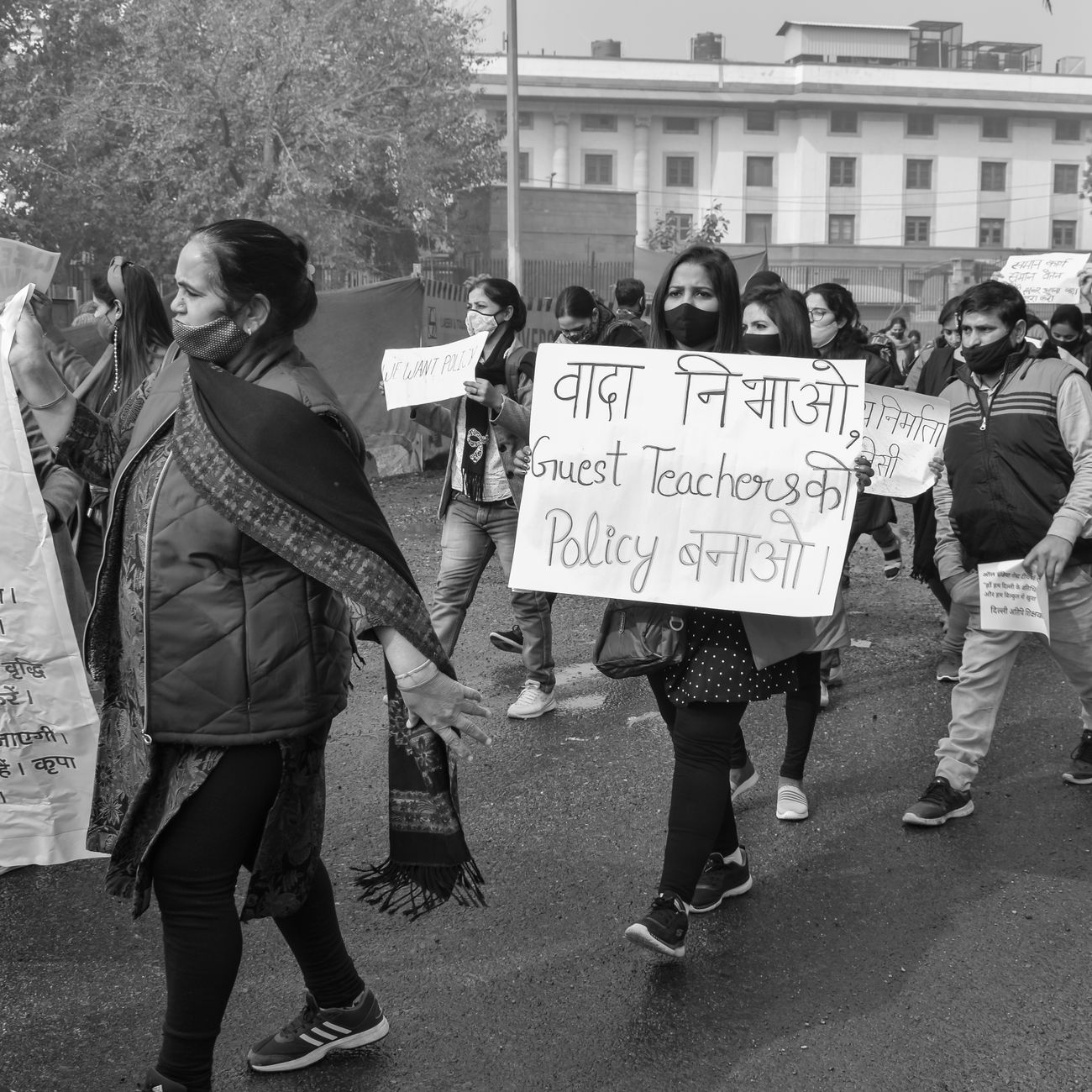
This announcement follows a high-level review meeting chaired by Kerala's Health Minister, where district officials gathered to discuss strategies to counter the upsurge of infections. The initiative is not just about awareness but action, as it mobilises community resources and public participation in reducing mosquito breeding sites. By fostering a sense of shared responsibility, the state hopes to outwit the perennial monsoon challenge.
Community-Led Efforts
The 'Dry Day' campaign encourages residents to identify and eliminate potential mosquito breeding grounds around their homes and neighbourhoods. This may include cleaning stagnant water from containers, unclogging drains, and maintaining general hygiene. The Health Department has also rolled out inspection drives, targeting areas with high vulnerability to waterlogging and poor sanitation.
To assist these efforts, local health workers and volunteers will conduct door-to-door visits, educating residents on effective preventive measures. The emphasis is on a collective fight against the threat, leveraging local knowledge and engagement to bolster official efforts.
A Proactive Approach
This initiative marks a shift from reactive to proactive public health strategy. By focusing on prevention, Kerala aims to lessen the burden on its healthcare facilities, which often become overwhelmed during the monsoon. The calendar serves as a timely reminder that disease prevention is not solely the responsibility of the state but a communal challenge requiring unified action.
While the primary focus is on dengue due to its prevalence and potential severity, the campaign also addresses other communicable diseases that thrive in the damp, crowded conditions typical of the monsoon season.
The success of this initiative could serve as a model for other regions grappling with similar challenges. By placing power in the hands of the populace and emphasising collective responsibility, Kerala hopes to demonstrate that even age-old health challenges can be met with innovative and determined community action.