Kerala's Fiscal Health Crisis: A Call for Bold Reforms
In a sobering assessment of its fiscal health, the Kerala government has unveiled a white paper that calls for urgent reforms to address the financial drain posed by its loss-making public sector enterprises (PSEs). The document, released this week, suggests that non-strategic PSEs could be targeted for disinvestment, privatisation, or outright closure if they are found to be non-viable. This comes as the state grapples with mounting losses from these enterprises, which have ballooned from Rs 31,571 crore in 2021-22 to an estimated Rs 78,851 crore by 2024-25.
The white paper does not mince words in its assessment, warning that inaction could further strain the state exchequer and necessitate 'hard political decisions'. Among the more contentious proposals is the idea of raising the retirement age of state employees to align with the Central Government's standards. This alone is projected to save around Rs 6,000 crore annually in retirement benefits, a significant relief for the state's financial burden.
Merging Corporations: A Controversial Solution
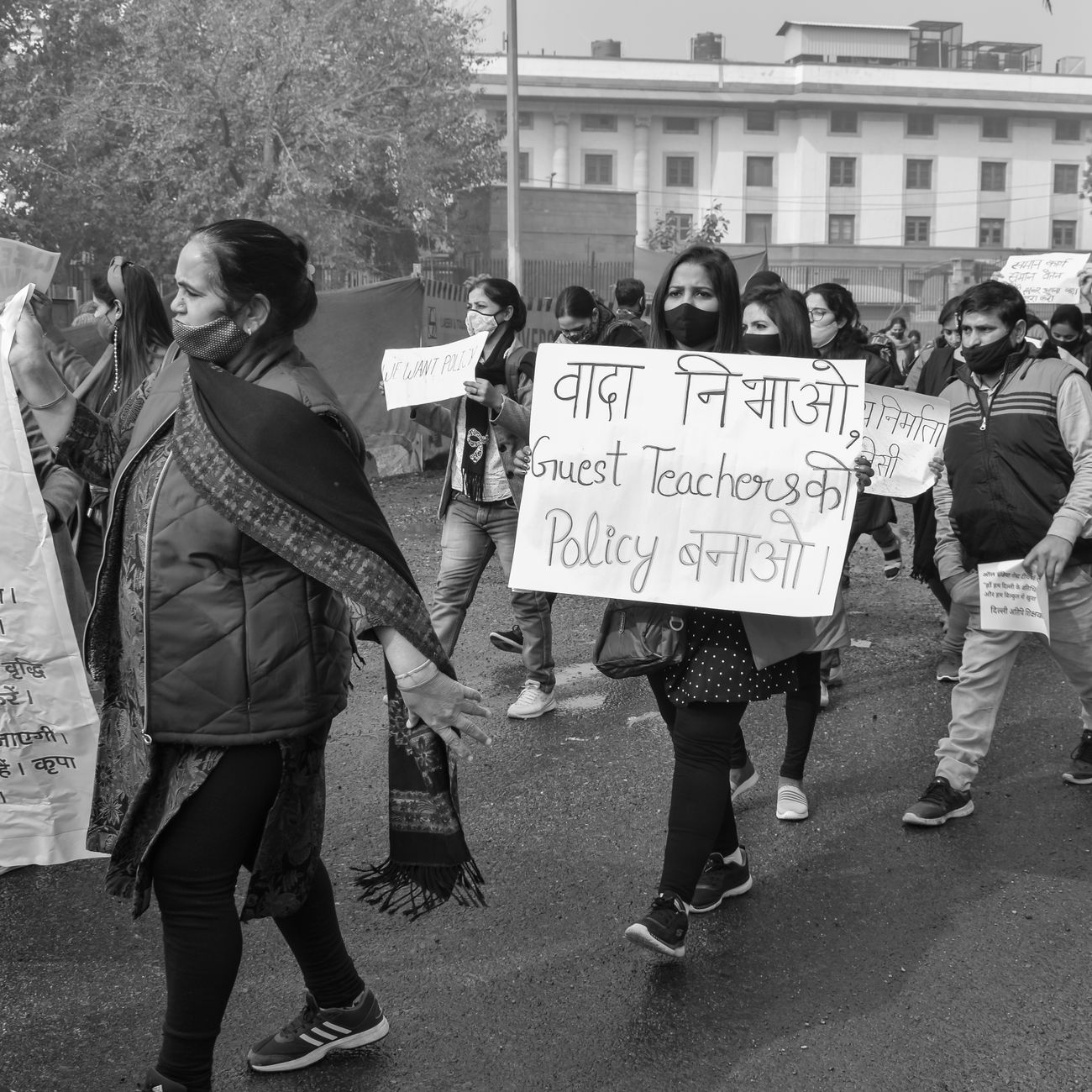
In addition to these measures, the paper proposes the merger of the profit-making Kerala State Beverages Corporation with the loss-making Civil Supplies Corporation. This, it is argued, would streamline operations and reduce the tax burden on the state. However, such a move is likely to face resistance from various quarters, not least from the employees of the affected corporations.
Kerala's Chief Minister and Finance Minister have acknowledged the gravity of the state's fiscal challenges, but they stress that these proposals are essential for long-term sustainability. The white paper's recommendations, while potentially controversial, reflect a broader recognition of the need for systemic change.
A Precedent for Other States?
As Kerala navigates these turbulent waters, its approach could serve as a precedent for other Indian states facing similar fiscal dilemmas. The state's willingness to consider bold measures might well inspire others to follow suit, particularly as they contend with their own public sector inefficiencies.
For Kerala, the road ahead will require careful balancing of political realities with economic necessities. As the government mulls over the recommendations, stakeholders across the state will be watching closely, aware that the decisions made today could shape Kerala's fiscal landscape for years to come.