Kerala's Green Legacy Preserved in New Encyclopaedia
Kerala, known for its lush landscapes and rich biodiversity, now finds its environmental history encapsulated in an encyclopaedia. This pioneering work, published by the State Institute of Encyclopaedia Publications (SIEP), seeks to provide a comprehensive chronicle of the state's ecological journey over the past 200 years. Muse Mary George, the SIEP director, describes the encyclopaedia as a vital resource for understanding how historical forces have shaped Kerala's current environmental challenges.
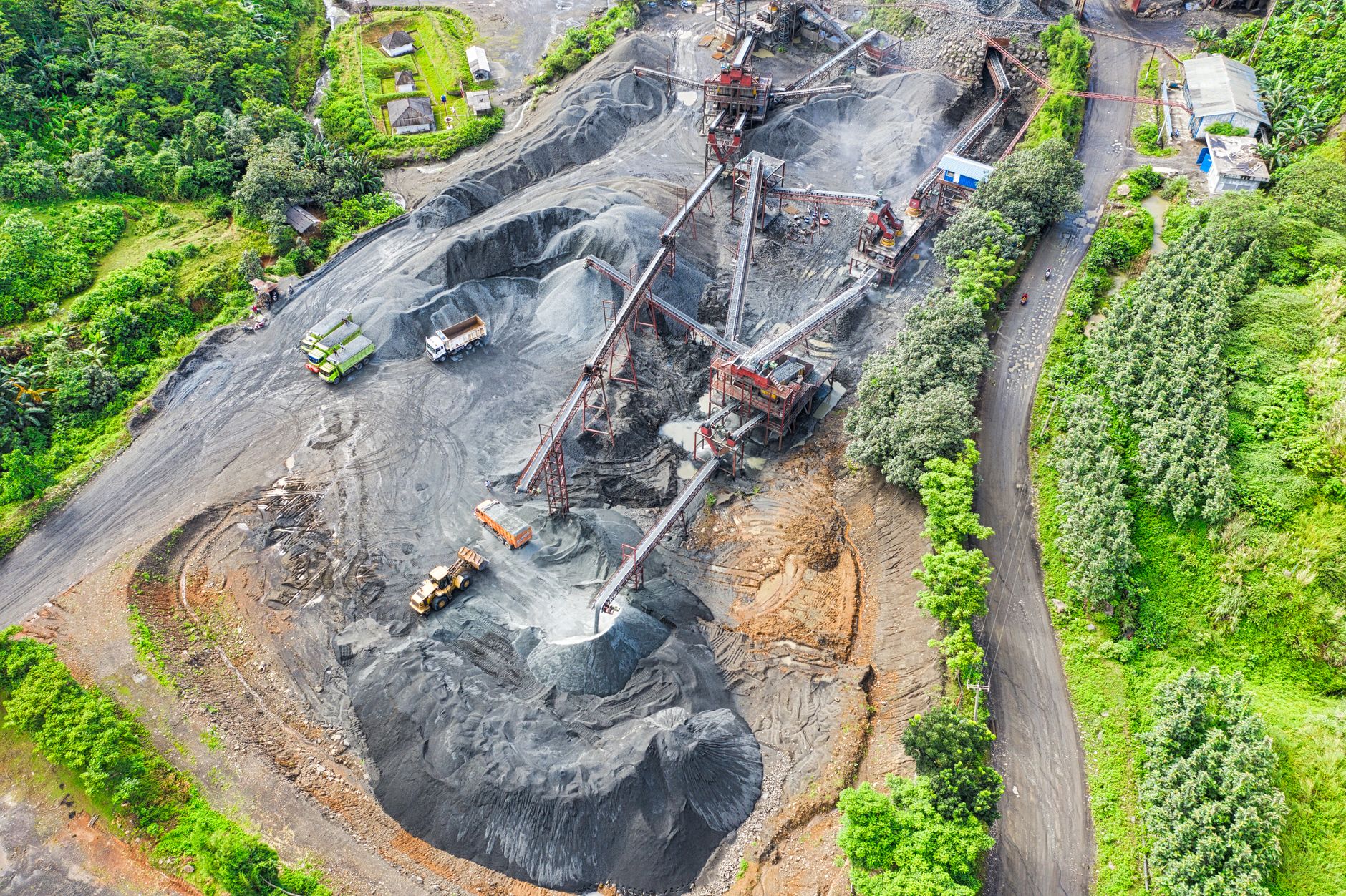
The encyclopaedia explores the deep-seated impacts of colonialism, which transformed Kerala's natural resources into commodities for trade. Such historical exploitation laid the groundwork for the environmental issues that the state grapples with today, including deforestation, biodiversity loss, and the consequences of climate change.
Colonial Legacies and Modern Challenges
During colonial rule, Kerala's abundant spices and timber attracted European powers, significantly altering the region's landscape. The new encyclopaedia meticulously documents these changes, drawing on historical records and scholarly analysis. This historical perspective is crucial for contextualising contemporary debates on sustainable development and environmental preservation.
Kerala's past is not just a tale of exploitation, however. The encyclopaedia also highlights the state's resilient civil society, which has consistently advocated for environmental protection. Notably, the Silent Valley movement of the 1970s and 80s, aimed at preventing deforestation in the Western Ghats, is celebrated as a landmark in grassroots environmentalism.
A Resource for Future Generations
The encyclopaedia aims to serve not just as a repository of historical knowledge, but as a catalyst for future action. By chronicling Kerala's environmental history, it encourages informed discussions on how best to balance developmental needs with ecological sustainability. As climate change and environmental degradation become ever-pressing global issues, the lessons from Kerala's past could prove invaluable.
This work stands as a testament to Kerala's ongoing dialogue with its environment, a dialogue that continues to evolve as new challenges emerge. For those invested in the future of Kerala's ecosystems, this encyclopaedia offers both a window into the past and a guide for the future.