Lancashire's Toxic Legacy: A Town Grapples with 'Forever Chemicals'
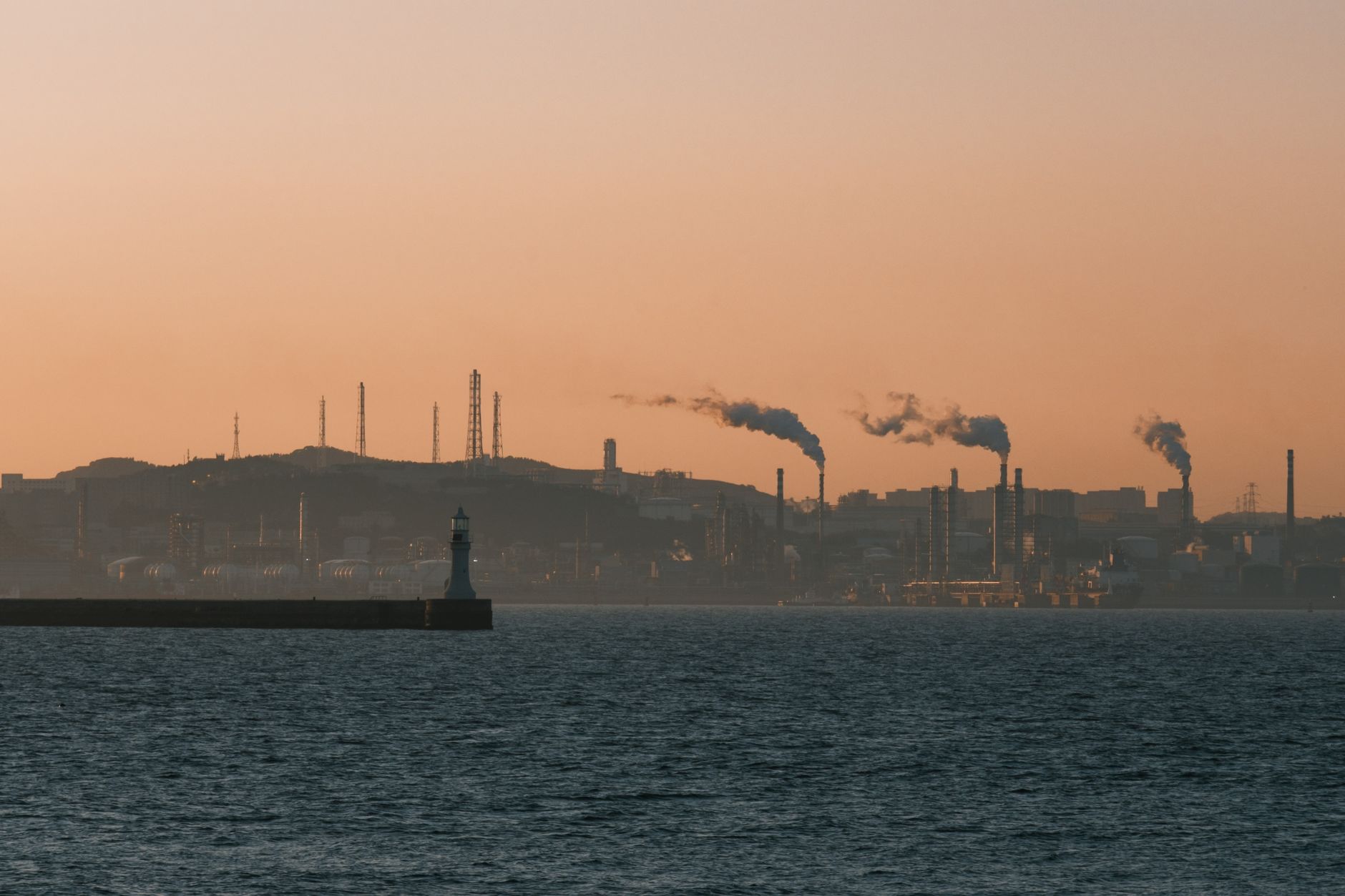
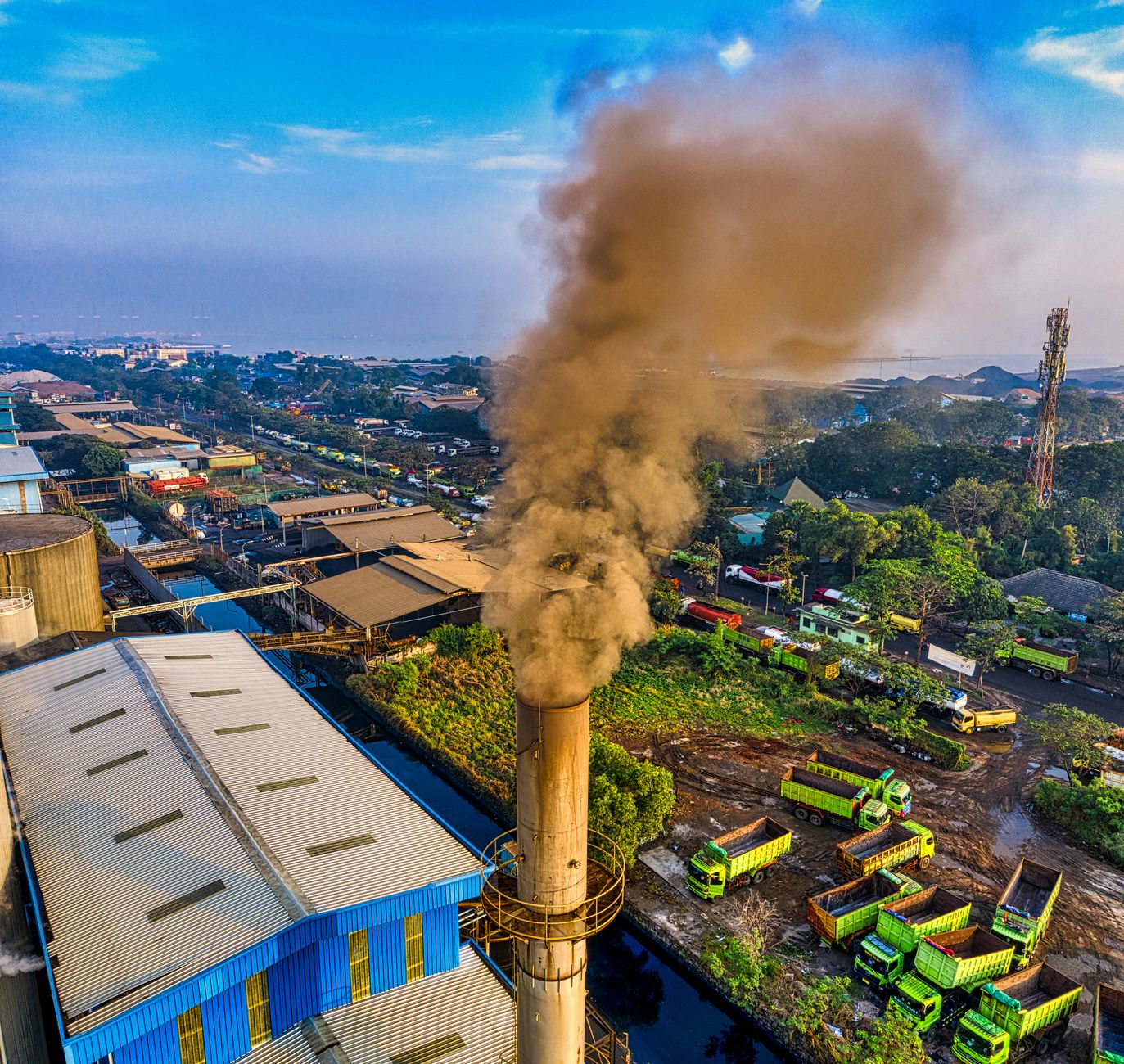
In the quiet streets of Thornton-Cleveleys, a storm is brewing that could soon engulf the entire nation. This Lancashire town, nestled near the industrial hum of the AGC Chemicals Europe factory, has unwittingly found itself at the heart of a national cancer scandal.
For years, this community lived in relative obscurity, until reports emerged linking the factory to elevated levels of per- and polyfluoroalkyl substances (PFAS) — the so-called 'forever chemicals'. These resilient compounds, notorious for their persistence in the environment and the human body, have been associated with a range of health issues, including cancer.
A Study Stirs the Pot
The catalyst for the uproar was a government-commissioned study published last month, which revealed higher-than-expected rates of kidney cancer in the vicinity of the factory. The findings have left residents grappling with fear and uncertainty, as they ponder the invisible threat lurking in their midst.
Local resident Sarah Thompson, who has lived within a kilometre of the plant for over a decade, expressed her concerns: "I just want to know if it has caused my cancer. We deserve answers, and more importantly, action." Her sentiments echo across the community, as many seek clarity and accountability.
Legal Battles and Political Scrutiny
The study’s findings have not only alarmed residents but have also sparked a wave of legal and political activity. The environmental group Fighting Dirty has spearheaded a legal case against the factory, arguing that the community has been exposed to unacceptable risks.
Moreover, the issue has captured the attention of parliament, prompting questions about the adequacy of regulations governing chemical emissions. As investigations continue, the government faces mounting pressure to address the environmental and health ramifications of PFAS pollution.
While the debate rages on, the people of Thornton-Cleveleys are left in limbo, caught between scientific uncertainty and the slow churn of legal and governmental processes. What is certain, however, is that this small town's plight has cast a spotlight on a broader environmental issue that could have far-reaching implications for communities across the UK.