Long-Lasting Mental Strain: The Unseen Aftermath of Venezuela's Earthquakes
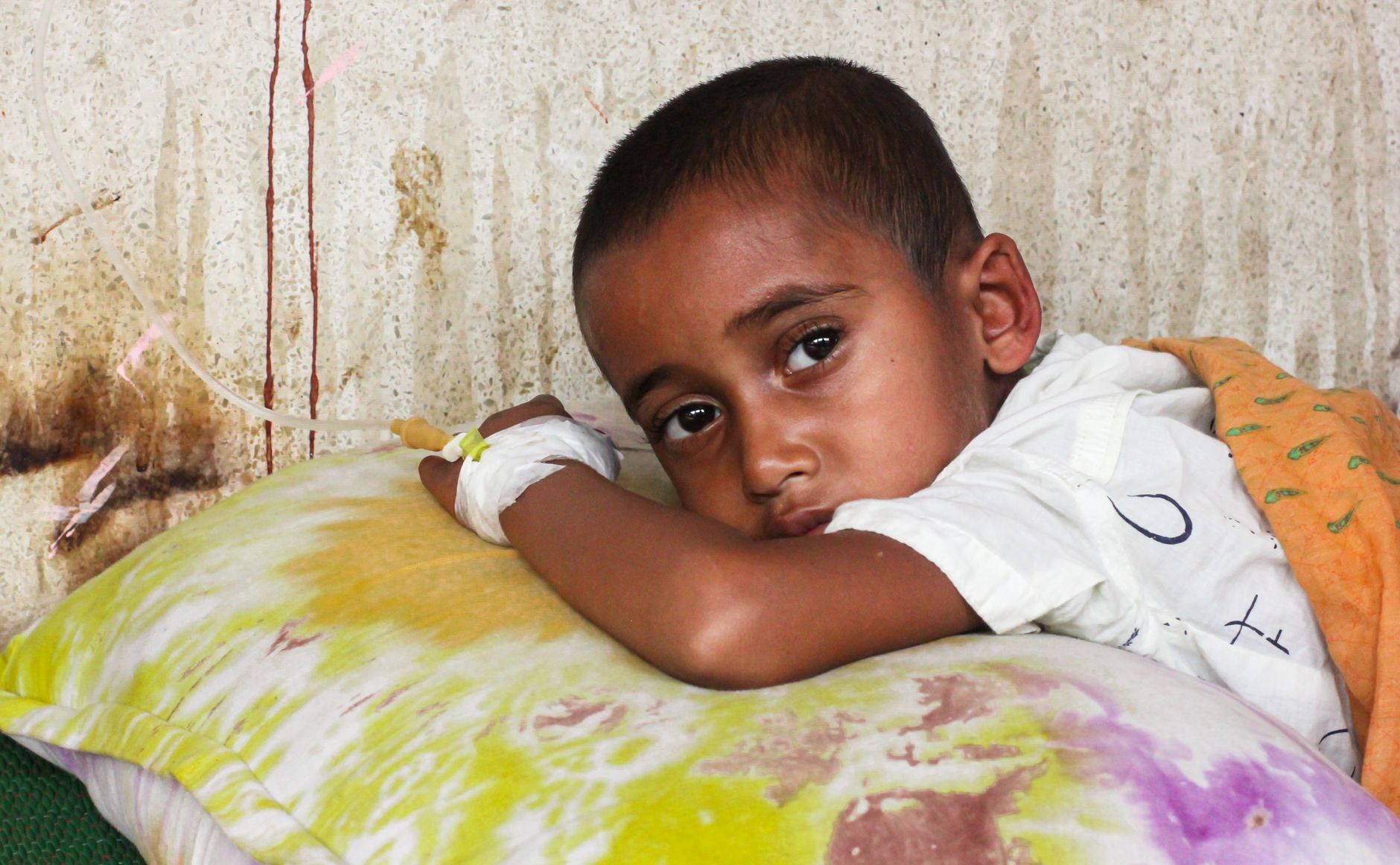
As the dust begins to settle over the rubble-strewn landscapes of Venezuela, the true cost of the recent earthquakes is only just coming into focus. With a staggering death toll that has surpassed 164, and nearly 1,000 injuries reported, the physical devastation is undeniable. Yet, according to Plan International, the mental health repercussions could linger far longer, especially for the nation's children and young people.
"The impact on mental health can persist for years," a spokesperson from Plan International stated, emphasising the necessity of placing young people at the forefront of the recovery efforts. "They are not just future leaders, but current stakeholders in rebuilding their communities."
Despite the chaos, the country's vital oil infrastructure, located near the quake's epicentre in Paraguaná, has remarkably remained undisturbed. Operations at key hubs such as the Jose export terminal continue unaffected, a silver lining in an otherwise tumultuous time.
The Emotional Fallout
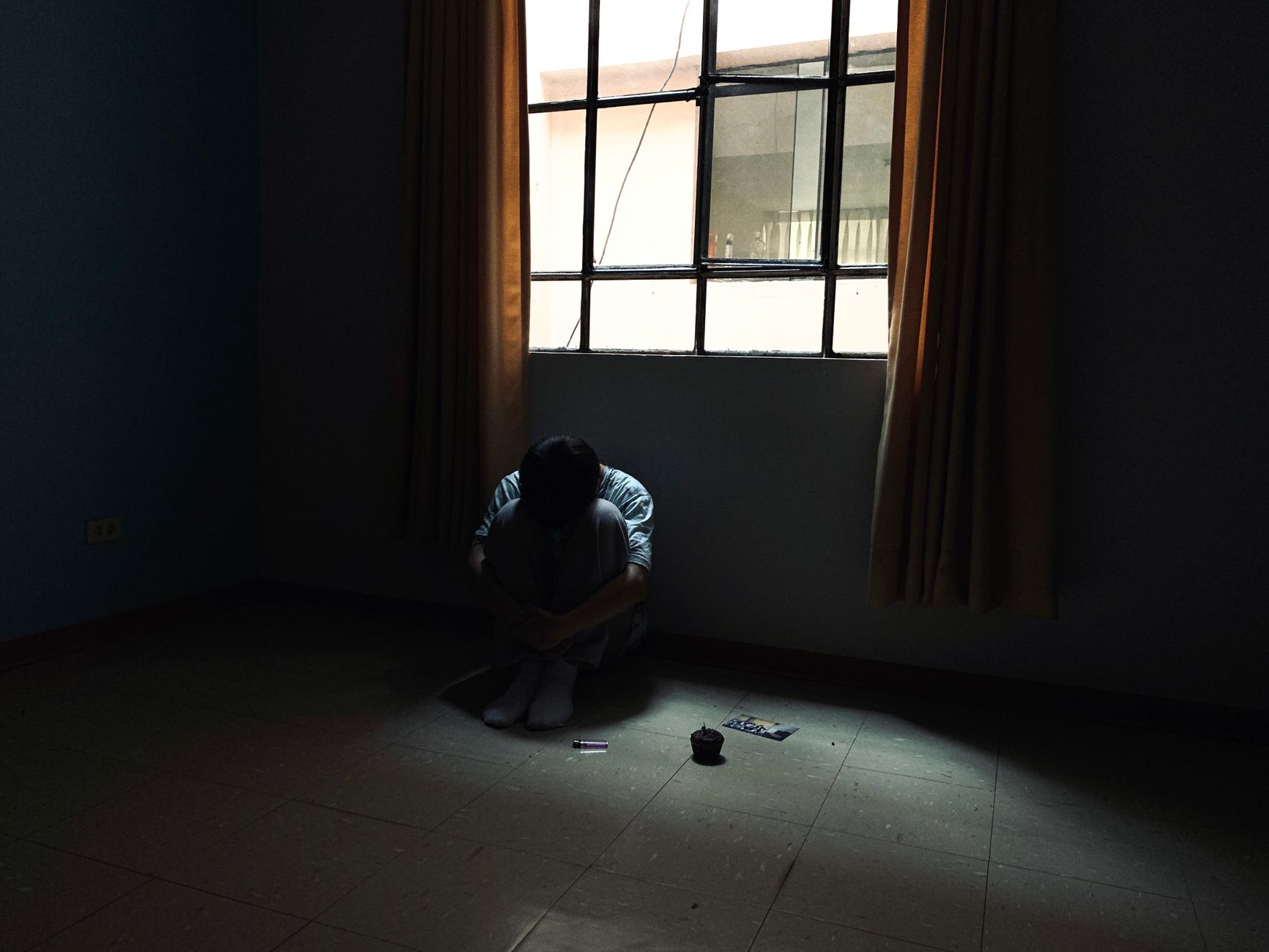
While the immediate focus has been on physical aid and infrastructural repair, experts argue that the psychological trauma cannot be overlooked. The emotional fallout of such natural disasters often manifests in increased anxiety, depression, and post-traumatic stress, particularly among the young.
Historically, the long-term mental health impact of natural disasters has been underestimated, yet it holds the potential to disrupt educational attainment and social development. In Venezuela, where the socio-political climate is already fraught, the stakes are even higher.
A Call to Action
Venezuela's acting President, Delcy Rodriguez, has extended gratitude to international allies, like Russia, for their condolences and support. However, experts highlight that psychological aid is as vital as physical reconstruction.
Plan International’s call for a child-centred approach is not merely a humanitarian gesture, but a strategic necessity. Involving young people in the decision-making processes can empower them, providing a sense of control and purpose in the midst of chaos.
As Venezuela navigates the aftermath, it becomes increasingly clear that rebuilding is not just about restoring buildings, but about healing communities. The scars left by the earth's tremors may be invisible, but they are no less real, and addressing them is crucial for the nation’s recovery.