Mamata Banerjee Rejects Bulldozer Politics in Bengal
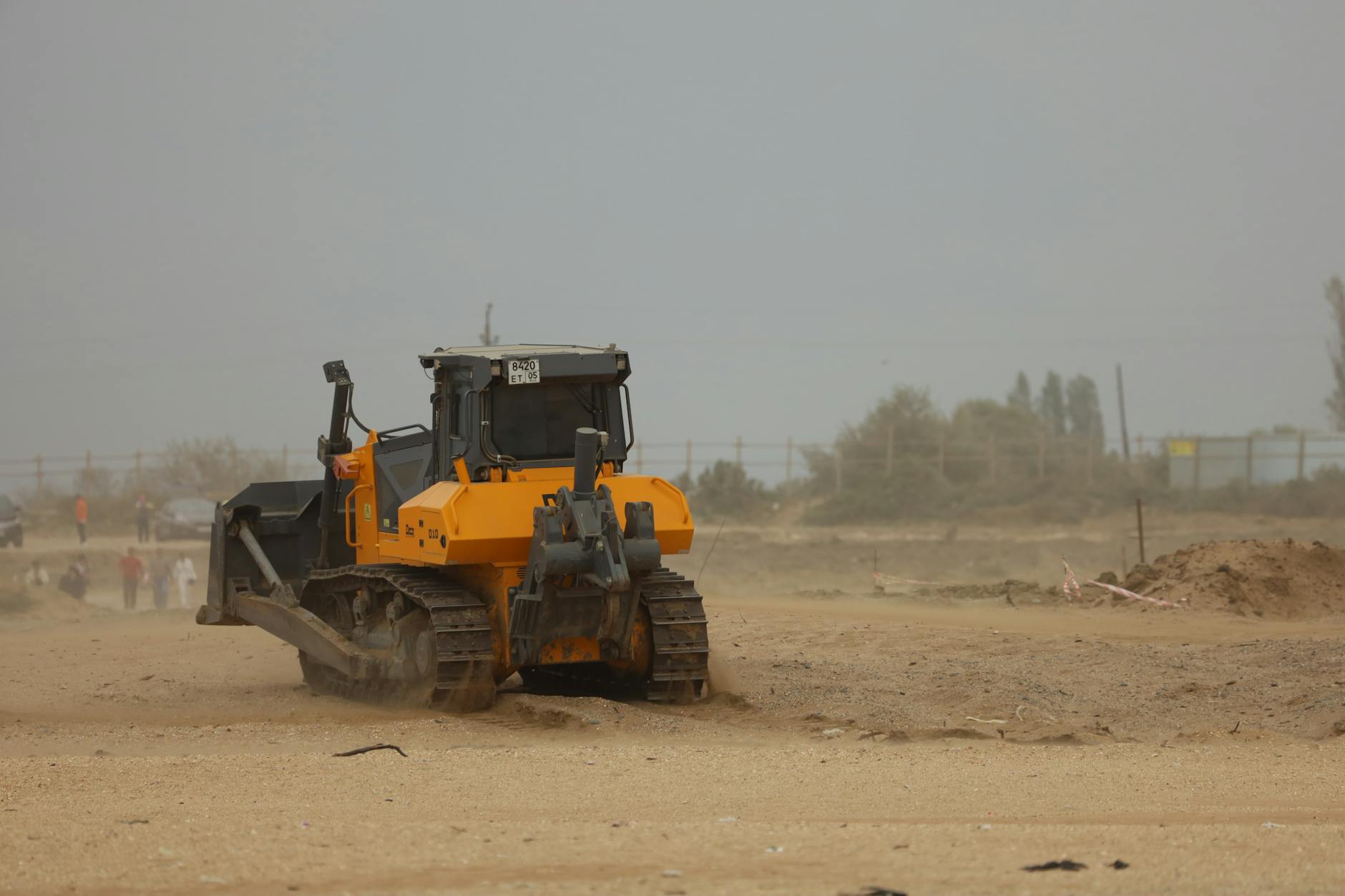
Mamata Banerjee, the formidable leader of the Trinamool Congress, has once again made headlines by vociferously opposing what she terms 'bulldozer politics' in West Bengal. In a recent statement, Banerjee lambasted the state's current administration for its forceful eviction drives, which she claims are jeopardising the lives and livelihoods of ordinary citizens.
Speaking with her characteristic fervour, Banerjee decried these tactics as an affront to Bengal's rich cultural heritage. 'The land of Tagore and Netaji cannot be ruled through fear, force, and demolition drives against ordinary citizens,' she asserted. Her words echo a deep-seated belief in the power of compassion over coercion—a narrative she has consistently championed throughout her political career.
The term 'bulldozer politics' has become synonymous with aggressive governance tactics, often involving the demolition of unauthorised constructions under the guise of law enforcement. While supporters argue these measures are necessary to maintain urban order, critics like Banerjee argue they disproportionately affect the poor, stripping them of dignity and security.
Banerjee's remarks have sparked a broader debate about governance in West Bengal, highlighting the tension between development and social justice. Her criticism implicitly challenges the state's new administration, suggesting that such measures are not only harsh but also culturally incongruent with Bengal's ethos.
Reflecting on the socio-political landscape, Banerjee's stance underscores a larger ideological clash—one where the ends do not justify the means. In a region steeped in history and pride, her call for humane governance is as much a plea for the present as it is a nod to the past.