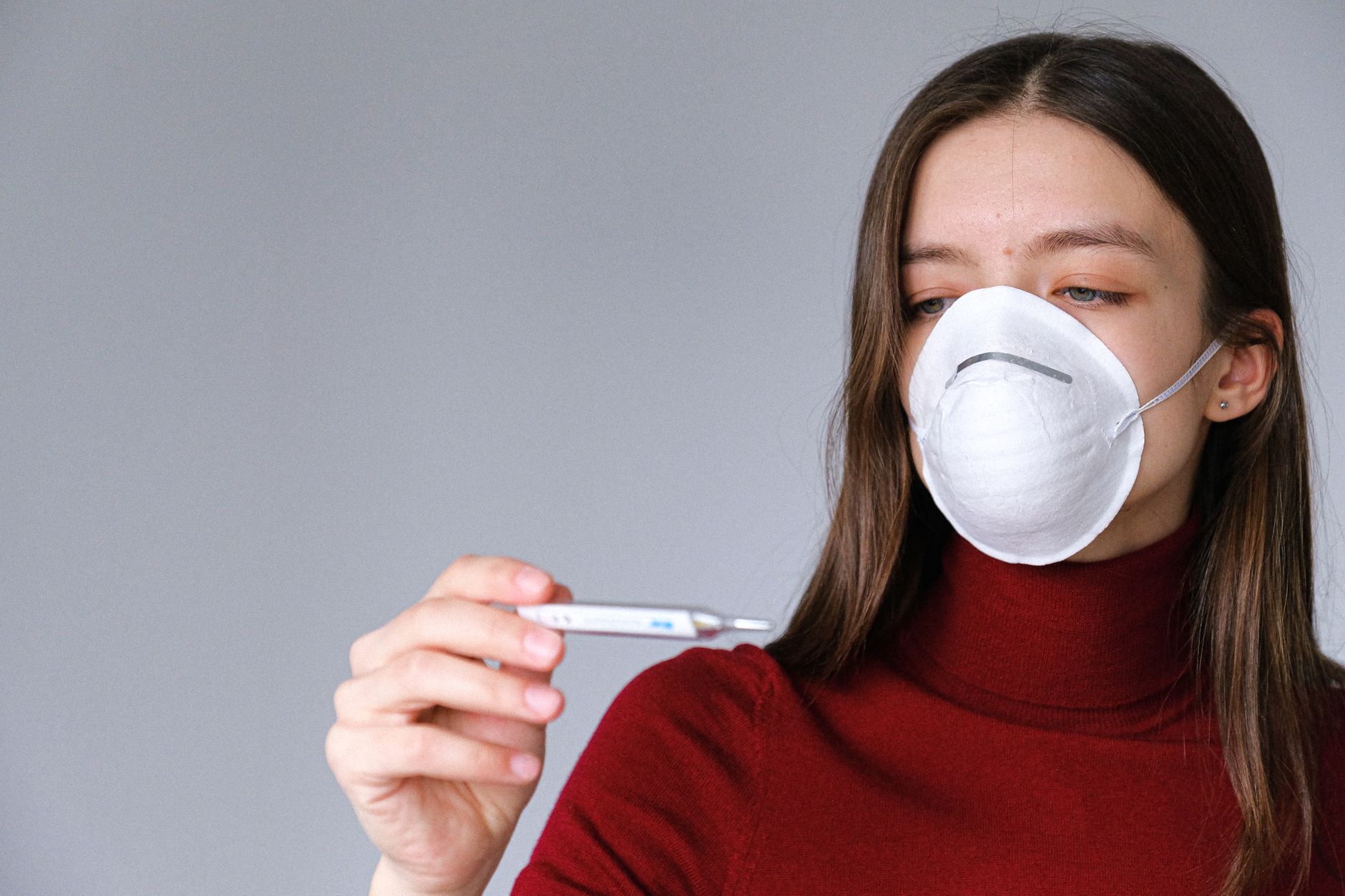
Marianas Grapple With Health Threats in Typhoon Bavi's Wake
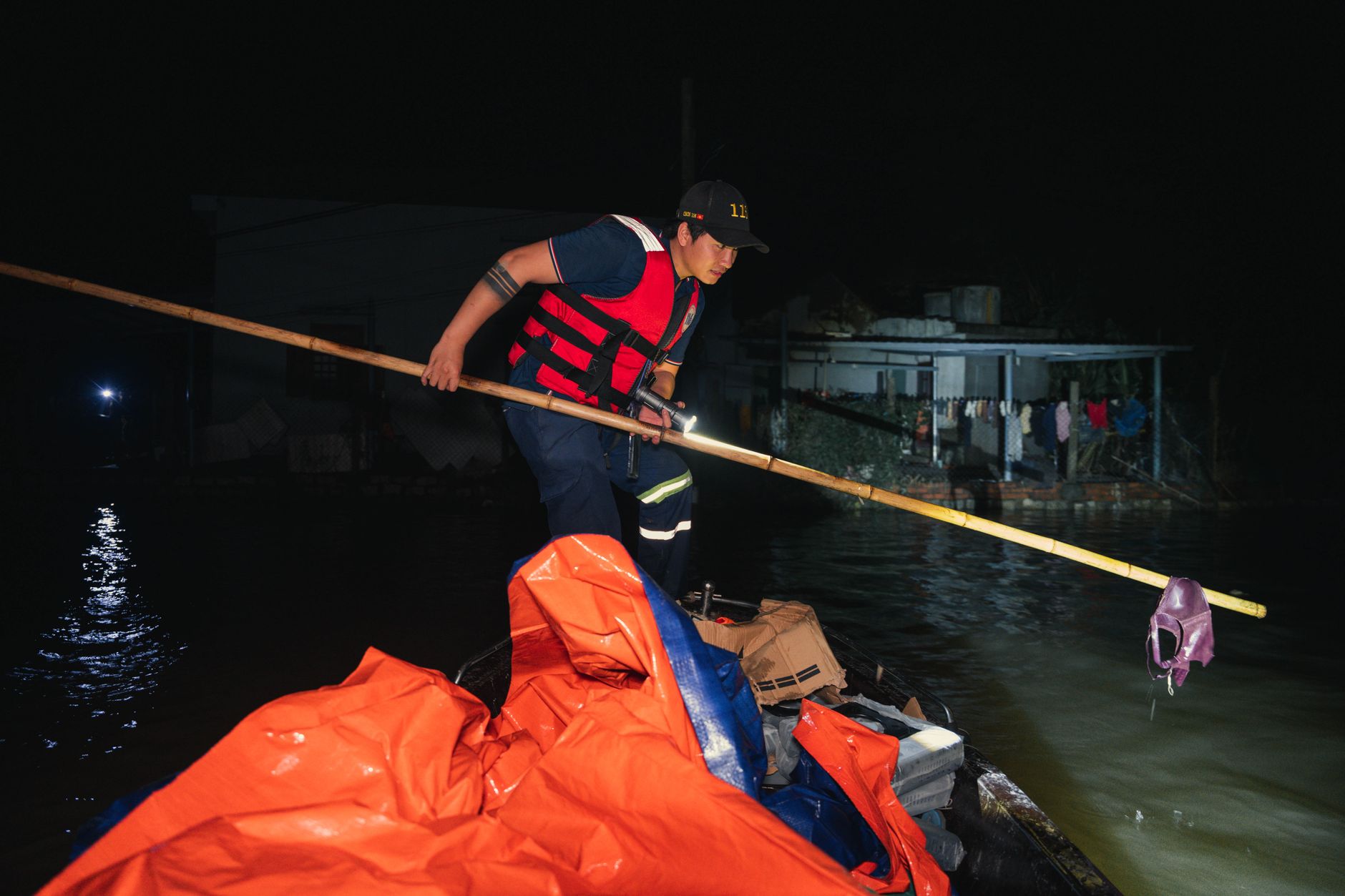
As the sun cautiously peeks through the clouds over the Marianas, the islands are left grappling with the aftermath of Typhoon Bavi. The storm, having unleashed its wrath with relentless rains and fierce winds, has not only ravaged homes but has also set the stage for a potential health crisis.
Emergency relief teams, including the Health and Medical Situational Assessment Team (HMSAT) from the US Department of Health and Human Services, are on the ground. They face the daunting task of addressing both immediate and emerging health concerns. With the declaration of a public health emergency, the focus is squarely on preventing outbreaks of diseases that often follow such natural disasters.
Waterborne Diseases and More
The deluge has left behind pools of standing water, ideal breeding grounds for mosquitoes. The risk of dengue and other vector-borne diseases is rising, compounded by the contamination of drinking water sources. Floodwaters have mixed with sewage, increasing the threat of infections and illnesses such as leptospirosis and gastroenteritis.
In the temporary shelters that have sprung up to house displaced residents, overcrowding poses its own set of challenges. With limited sanitation facilities, these shelters could become hotbeds for the spread of respiratory infections and other communicable diseases.
A Coordinated Response
Efforts to mitigate these risks are underway, with relief agencies distributing clean water, food supplies, and medical aid. Public health officials are also conducting education campaigns to inform residents about the precautions necessary to avoid infection. However, with the islands still recovering from the earlier onslaught of Typhoon Sinlaku, resources are stretched thin.
The resilience of the Marianas’ communities is being tested as they navigate this dual recovery. The collaboration between local authorities and international aid organisations is crucial in managing the immediate aftermath and laying the groundwork for long-term recovery.
As the region braces for potential further adversities, the determination to overcome the challenges posed by Typhoon Bavi remains unwavering. The coming days will be critical in ensuring that the health and well-being of the Marianas' residents are safeguarded against the threats that loom in the storm's wake.