Massive Public Outcry Against Great Nicobar Development Project
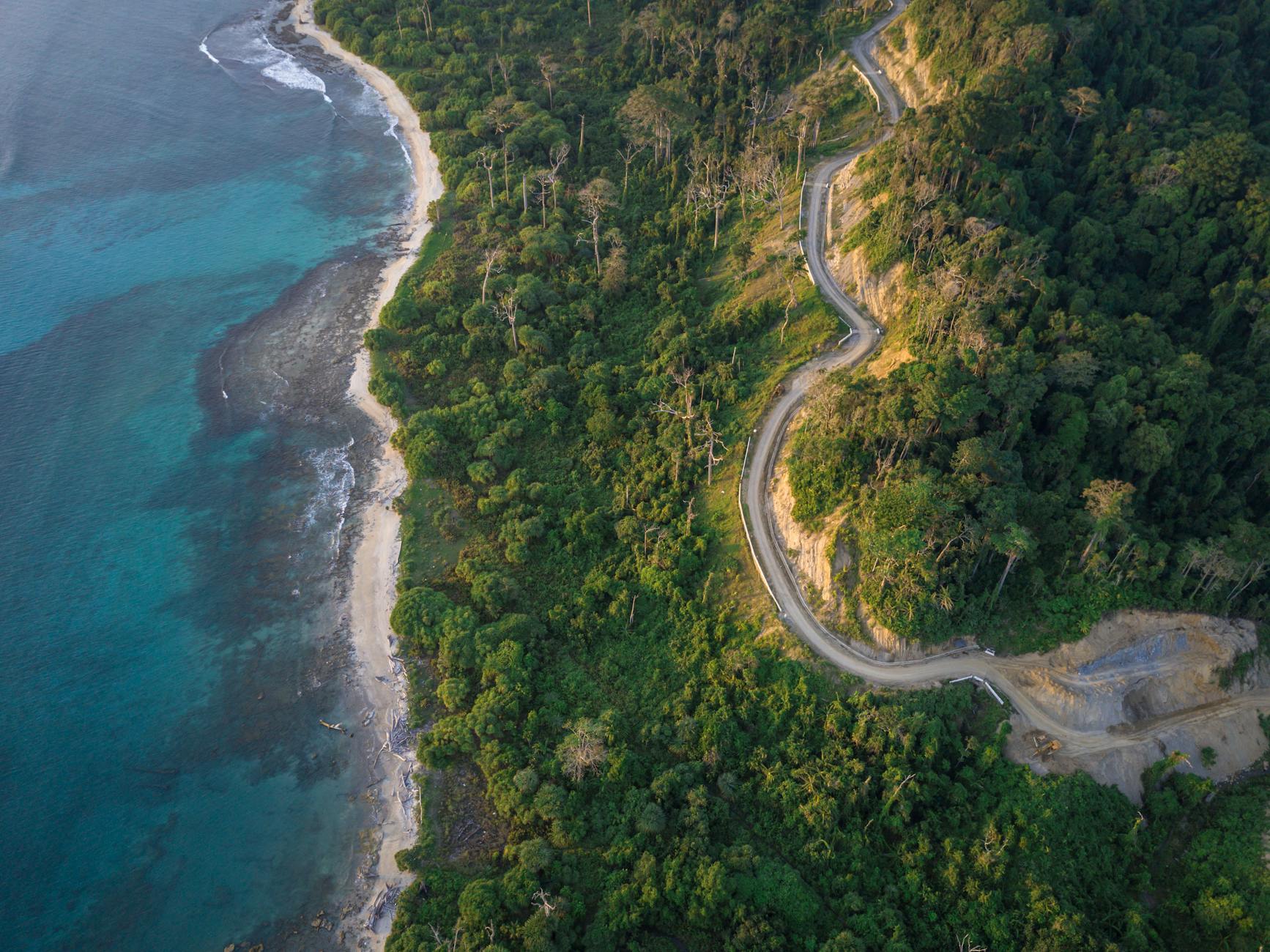
The Great Nicobar development project, once a mere ambition on paper, has now become a lightning rod for controversy as over 200,000 citizens have signed a petition against it. The document, addressed to India's highest offices, including the President and Prime Minister, encapsulates widespread environmental concerns over a project that aims to transform the island's landscape.
At the heart of the opposition lies the potential destruction of approximately 130 square kilometres of pristine forest, home to diverse flora and fauna. The prospect of felling an estimated 960,000 trees has alarmed environmentalists and locals alike, who fear irreversible damage to the island's ecosystem. Equally troubling are the implications for indigenous tribes, whose traditional lands are at risk of being overrun by infrastructural development.
Legal Struggles and Environmental Concerns
Earlier this month, the Calcutta High Court dismissed preliminary objections from the Union government, allowing petitions against the forest land diversion to proceed. The matter is now slated for a final hearing in June, keeping the fate of the project in judicial limbo. The petitioners argue that the impact assessments conducted were flawed and that the project violates the Forest Rights Act of 2006.
The Indian government, however, views the project as a strategic lynchpin in its Indo-Pacific policy, a move to bolster economic and strategic footholds in the region. Proponents of the project argue that it will bring economic development and increased connectivity to the remote island, currently home to just 8,000 people. Yet, the projected influx of 350,000 settlers raises concerns about the island’s capacity to sustain such growth without severe ecological repercussions.
The Balancing Act
This situation highlights a broader dilemma faced by many developing nations: the balance between economic development and environmental preservation. As the world grapples with climate change, the Great Nicobar project serves as a microcosm of global tensions between growth and sustainability. The coming months will be pivotal, not only for the island's future but also for the precedence it sets in environmental governance in India.