May Sees Surge in WPI Inflation to 9.68%, Raising Concerns
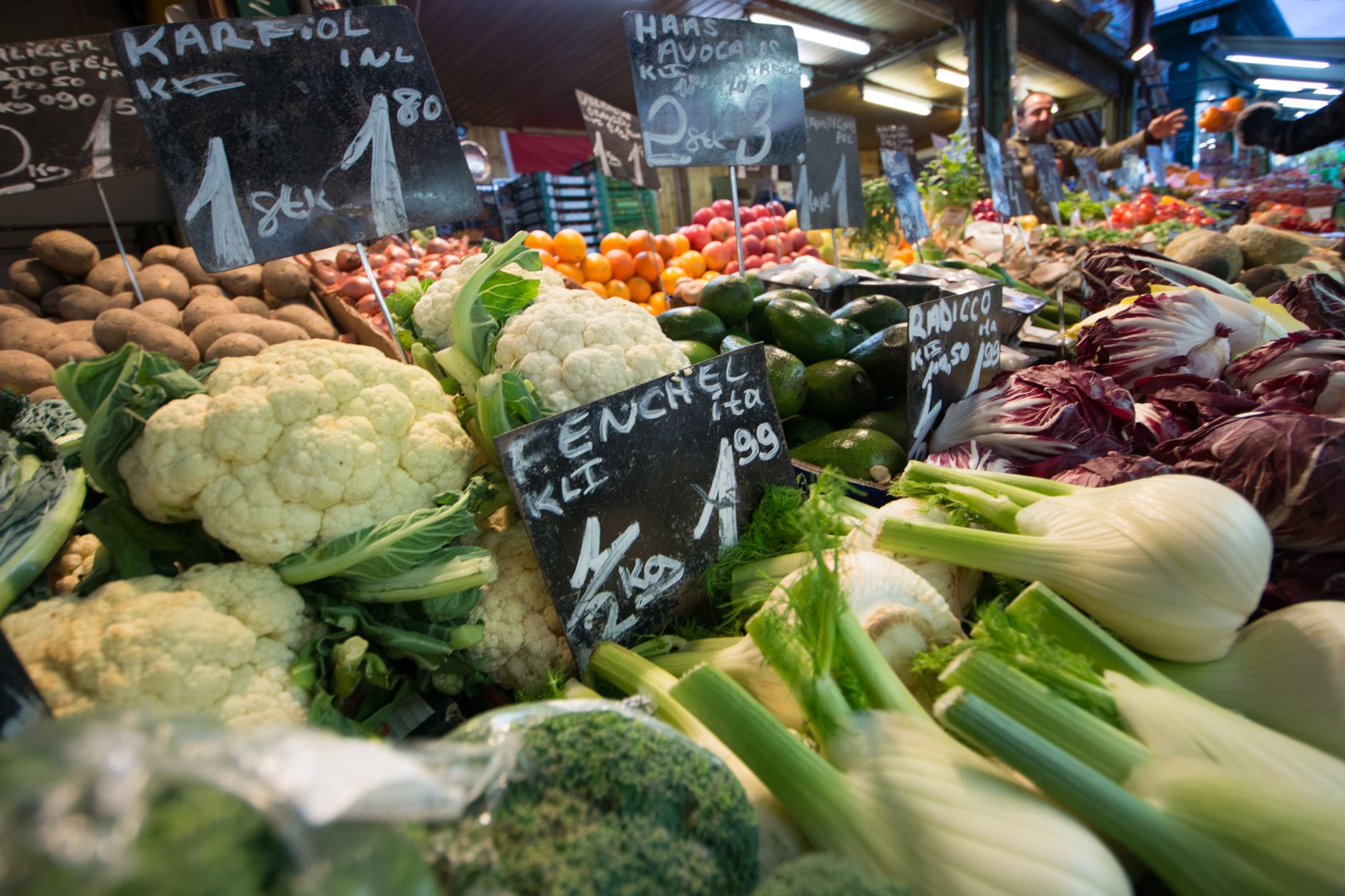
In what can only be described as a sharp economic pivot, May's wholesale price inflation (WPI) has risen to 9.68% in the UK. This surge has been largely fuelled by an uptick in manufacturing costs and a staggering 40.01% rise in food prices, posing a fresh dilemma for policymakers who find themselves walking a tightrope between fostering economic growth and curbing inflation.
The wholesale price index, a key indicator of price movements, paints a vivid picture of the underlying pressures within the economy. Manufacturing inflation, which comprises about 65% of the WPI basket, climbed to 7.27% year-on-year in May, continuing its steady ascent since February, when it first breached the 6% mark. Analysts attribute this increase to rising global demand and supply chain disruptions that have pushed input costs higher.
Adding to the concern, retail inflation figures set to be released later today are expected to follow suit. The retail sector has been grappling with similar pressures, and the anticipated rise in retail inflation could further complicate the economic landscape.
Global Pressures and Policy Challenges
Globally, economies are wrestling with similar issues. The low-base effect, due to last year's subdued economic activity, exacerbates the current inflation figures. This situation demands a delicate balance from central banks, who must decide whether to tighten monetary policy to control inflation or maintain a loose stance to support recovery.
In the UK, the central bank is under scrutiny. An increase in interest rates could slow down the recovery, while inaction might lead to runaway inflation. The path forward is fraught with challenges, and the decisions made in the coming months will have lasting impacts on the economic health of the nation.
Outlook and Implications
The implications of rising inflation are vast. Consumers could face increased costs, and businesses might see their margins squeezed further if input costs remain high. The ongoing uncertainty makes it imperative for businesses and consumers alike to brace for potential economic shifts.
As the figures for retail inflation are awaited, the focus remains on how these economic indicators will shape future policy decisions. The coming weeks will be crucial in determining whether these inflationary trends are temporary or indicative of a more enduring economic transformation.