Meghalaya Eyes Centre's Nod for Tech-Driven Coal Mining
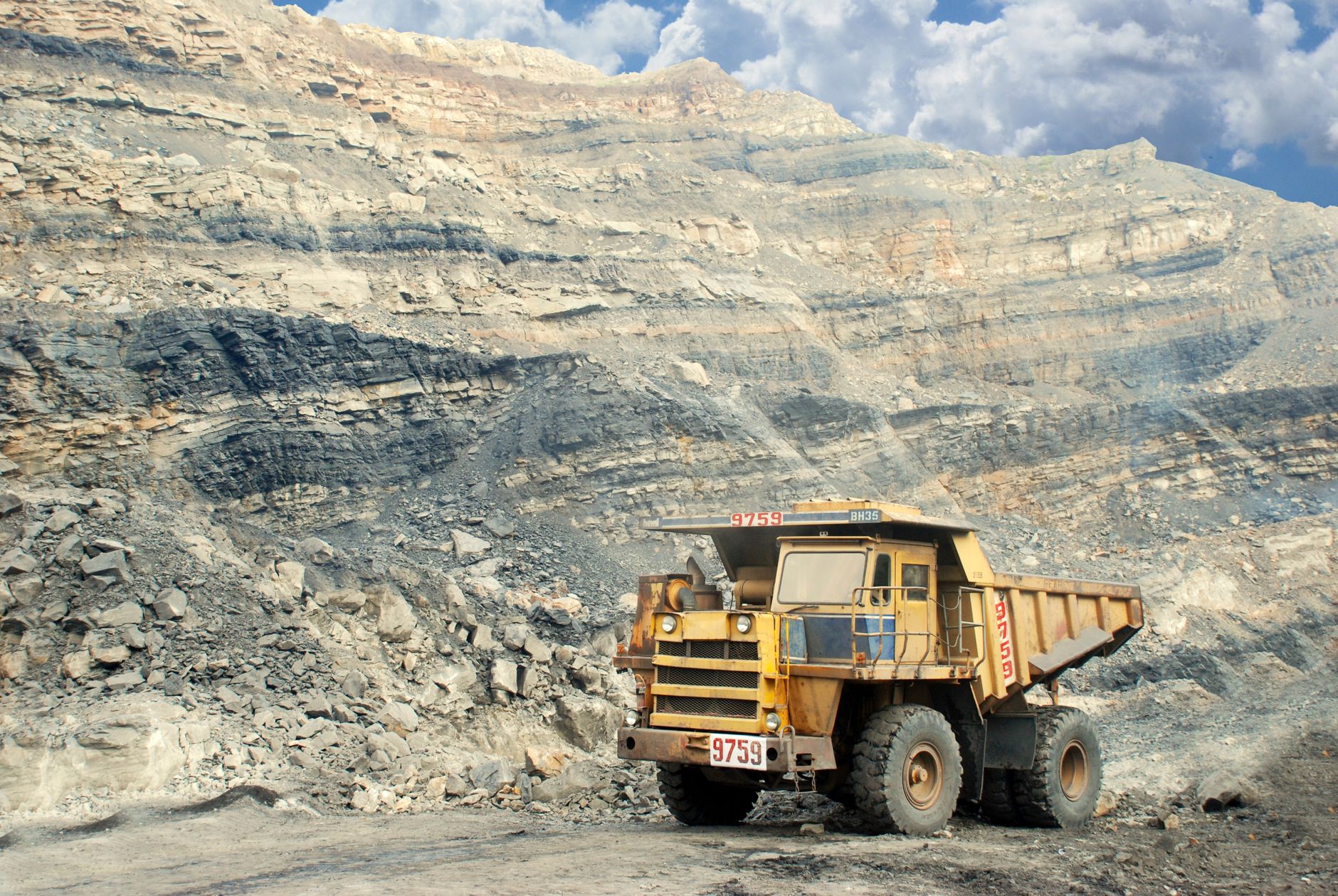
In the lush hills of Meghalaya, a new chapter in coal mining is on the horizon. The state government has approached the Centre to endorse a framework that could redefine how coal is mined in the region, relying heavily on technology-assisted methods. This move signals a shift from traditional practices, aiming to bring safety and scientific accuracy to the forefront of Meghalaya's mining operations.
Chief Minister Conrad Sangma, advocating for Section 26 powers, seeks to grant the state autonomy over approving mining plans. This, he argues, is not just about autonomy but about empowering small tribal miners who have long been the backbone of the local economy. "It's about their livelihoods, their heritage, and bringing about a regulated system that benefits all," Sangma stated in a recent interview.
The proposal has been met with cautious optimism. While there are concerns about the environmental impacts of coal mining, the government assures that the new framework will emphasise sustainable practices. The introduction of technology is expected to mitigate some of the negative effects traditionally associated with coal mining.
Science Meets Tradition
The heart of this initiative is the integration of technology with traditional mining. The state envisions a future where small-scale miners can operate safely and efficiently, reducing the risk of accidents and improving yield quality. Advanced equipment and scientific methods could transform how coal is extracted, reducing environmental degradation while maintaining productivity.
Officials from both the state and central governments are slated to engage in detailed discussions in the coming week. A committee may be formed to delve into the intricacies of Meghalaya's proposal. The discussions will likely cover the technical, environmental, and economic aspects of the framework, ensuring that all bases are covered before any implementation begins.
Economic Revival and Regulatory Framework
For Meghalaya, this isn't merely a technological upgrade; it's a potential economic revival. With the power to regulate mining operations, the state hopes to boost revenue, creating opportunities for local employment and development. The goal is to craft a model that can be sustainable in the long run, preserving the environment while fuelling the economy.
As the state moves forward with its proposal, the Centre's response will be crucial. Approval could set a precedent for other states with similar aspirations, marking a significant shift in how resource-rich regions balance development with conservation.