Men's Lifestyle Choices Under Scrutiny for Environmental Harm
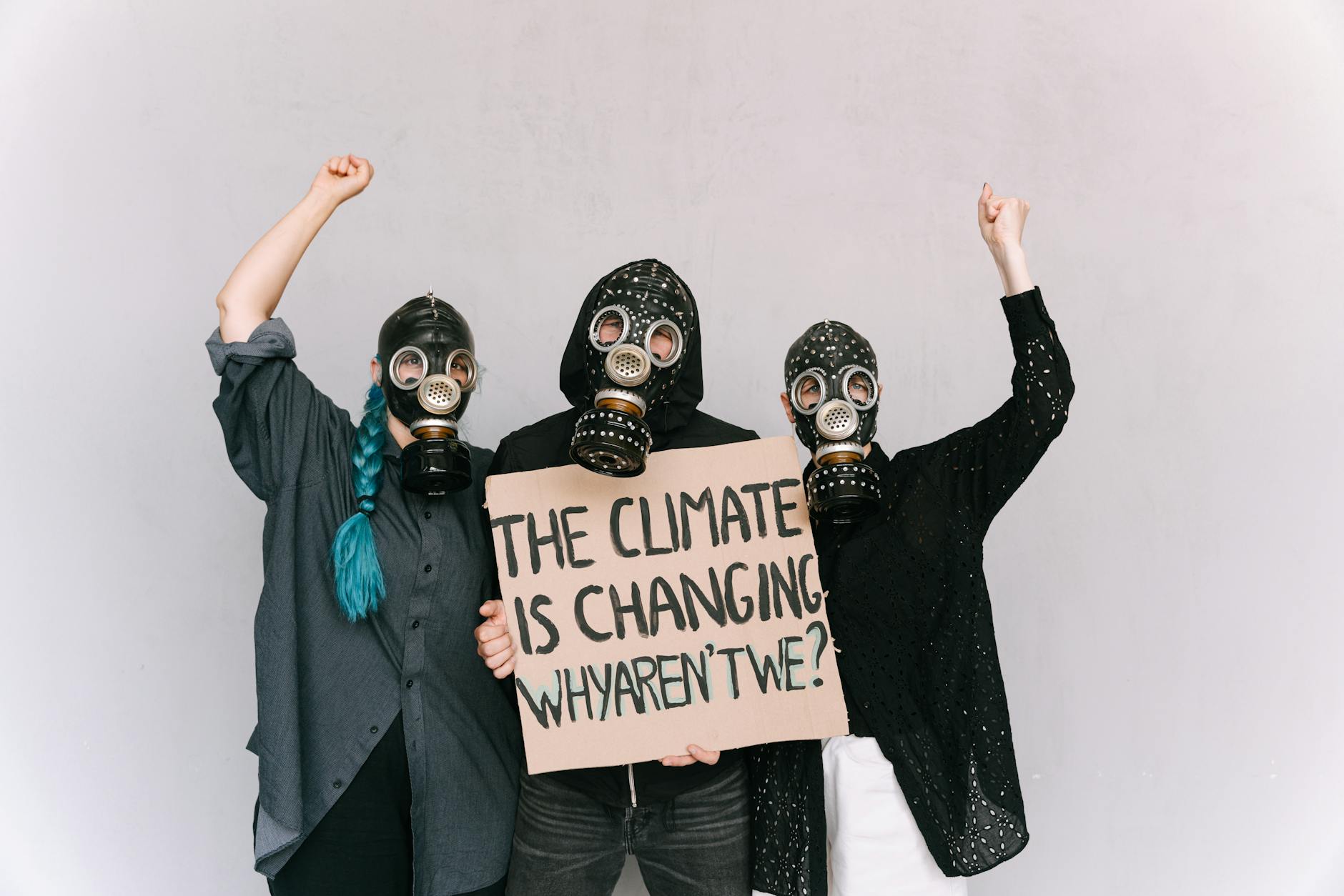
In a world grappling with the consequences of climate change, a new study has added a rather unexpected dimension to the debate: gender. According to recent research, men, it seems, are leaving a larger environmental footprint than their female counterparts, primarily due to lifestyle choices and consumption habits.
The international research team's findings indicate that men are more inclined to indulge in activities that are resource-intensive, such as extensive travel, the use of larger vehicles, and other consumption patterns that demand more energy. These behaviours cumulatively contribute to a greater carbon footprint.
Beyond just the numbers, the study sheds light on a broader cultural narrative. Traditional masculine behaviours, often characterised by a penchant for speed and power, are now being linked to environmental degradation. It's suggested that these ingrained practices not only mirror societal norms but also exacerbate ecological harm.
The Gender Divide in Environmental Concerns
Interestingly, the research highlights a disparity in environmental concern between genders. Men, on average, demonstrated less interest in environmental issues and exhibited lower levels of engagement in environmental politics. This lack of concern translates into less willingness to adapt everyday practices that could mitigate environmental impact.
While it's tempting to generalise, it's crucial to approach such findings with nuance. Not all men fit this mould, and not all women are paragons of environmental virtue. However, the data does point towards a pattern that warrants attention.
Towards a More Equitable Responsibility
As the planet edges ever closer to potential tipping points, the call for equitable responsibility becomes louder. It is not merely a question of who is to blame but rather how society can encourage more sustainable behaviours across the board. Initiatives aimed at changing consumption habits and fostering awareness about individual carbon footprints could serve as a starting point.
Ultimately, addressing the environmental impact of lifestyle choices is a shared responsibility. Encouragingly, as more studies like this bring gender into the environmental conversation, it could pave the way for more inclusive and effective climate action strategies.