Messi's Political Gesture Sparks Falklands Controversy
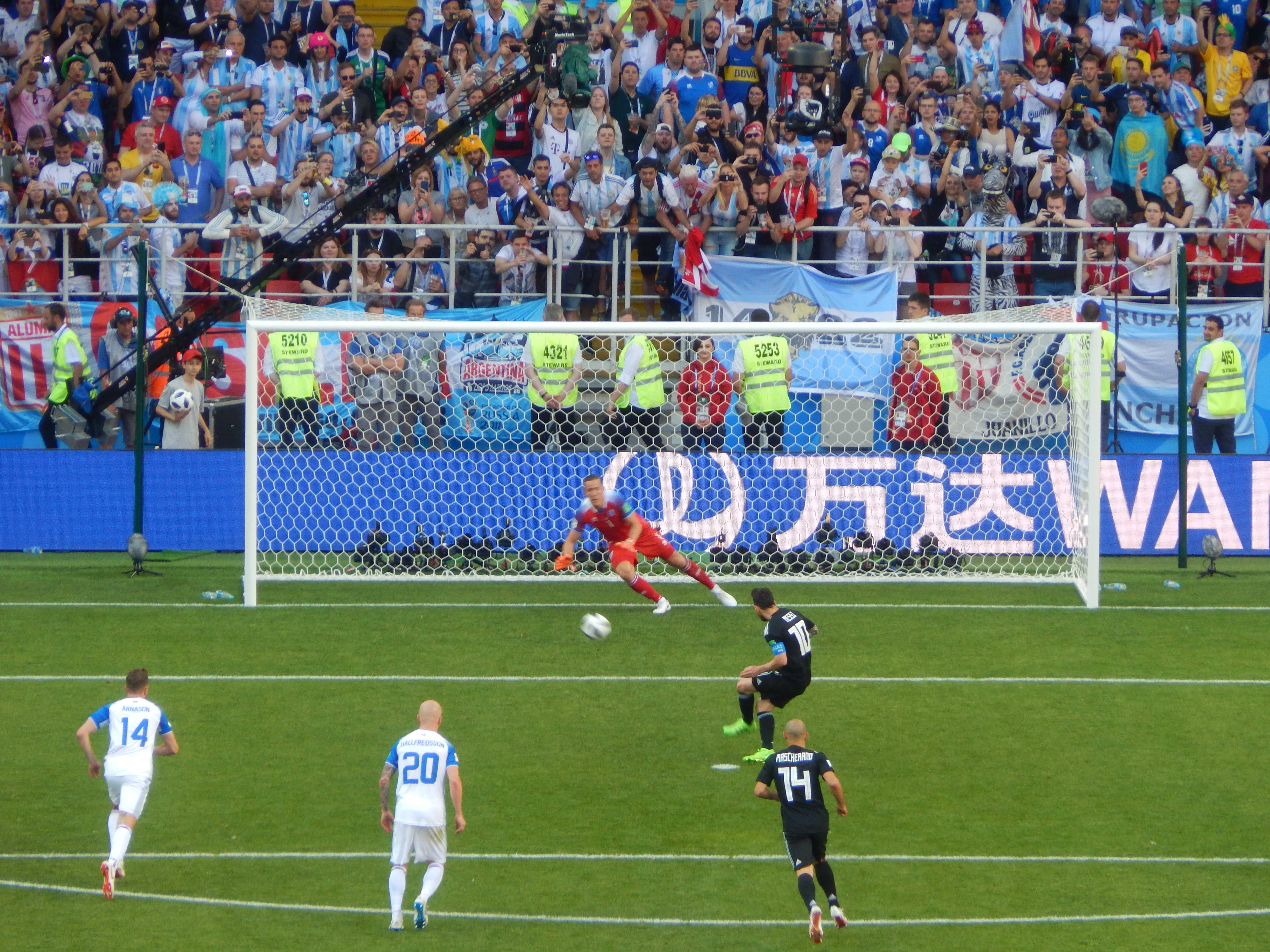
In the charged atmosphere of a World Cup semi-final, where football's glitterati gather to witness sporting excellence, controversy has found its way onto the pitch. Following Argentina's stunning victory over England, Lionel Messi and his teammates unfurled a banner proclaiming the Falkland Islands as Argentinian territory, an act that might have been better suited to a political rally than a football match.
The gesture comes at a particularly sensitive time. The Falkland Islands, a British Overseas Territory, have been a point of contention between the UK and Argentina since the 1982 war. The conflict, which claimed over 900 lives, remains a raw nerve in the region's history. For Argentina, the islands represent a long-standing claim, rooted in a belief of rightful inheritance dating back to 1816.
FIFA, the governing body of international football, has strict regulations prohibiting political statements within stadiums. The Argentine team's display potentially violates these rules, putting their World Cup aspirations in jeopardy. Disciplinary actions could range from fines to more severe penalties that may impact their participation in the tournament's final.
Historical Tensions Resurface
The timing of the banner is particularly poignant, given the historical animosity between the two nations. The 1982 Falklands War was a brief but intense conflict, with the British forces ultimately regaining control over the islands. The scars of this war remain, and gestures such as the one made by the Argentine team can reopen wounds that many would prefer remained closed.
The political climate in Argentina often sees the Falklands issue resurface, especially during moments of national pride and international visibility, such as the World Cup. By bringing this issue onto the global stage, Messi and his compatriots may have inadvertently embroiled their sporting achievements in a diplomatic quagmire.
Implications for FIFA and Football
This incident places FIFA in a challenging position. The organisation is tasked with maintaining a neutral stance in political matters, and its response will be closely scrutinised. Should they choose to penalise Argentina, it could set a precedent for how political expressions are handled in future tournaments.
For Messi, who is often seen as a symbol of sportsmanship and excellence, this episode adds a complex layer to his legacy. While his skills on the pitch are undeniable, his involvement in this political statement may overshadow his footballing prowess, at least in the eyes of some.