Microbiology and Technology: Cornerstones of a Sustainable Future
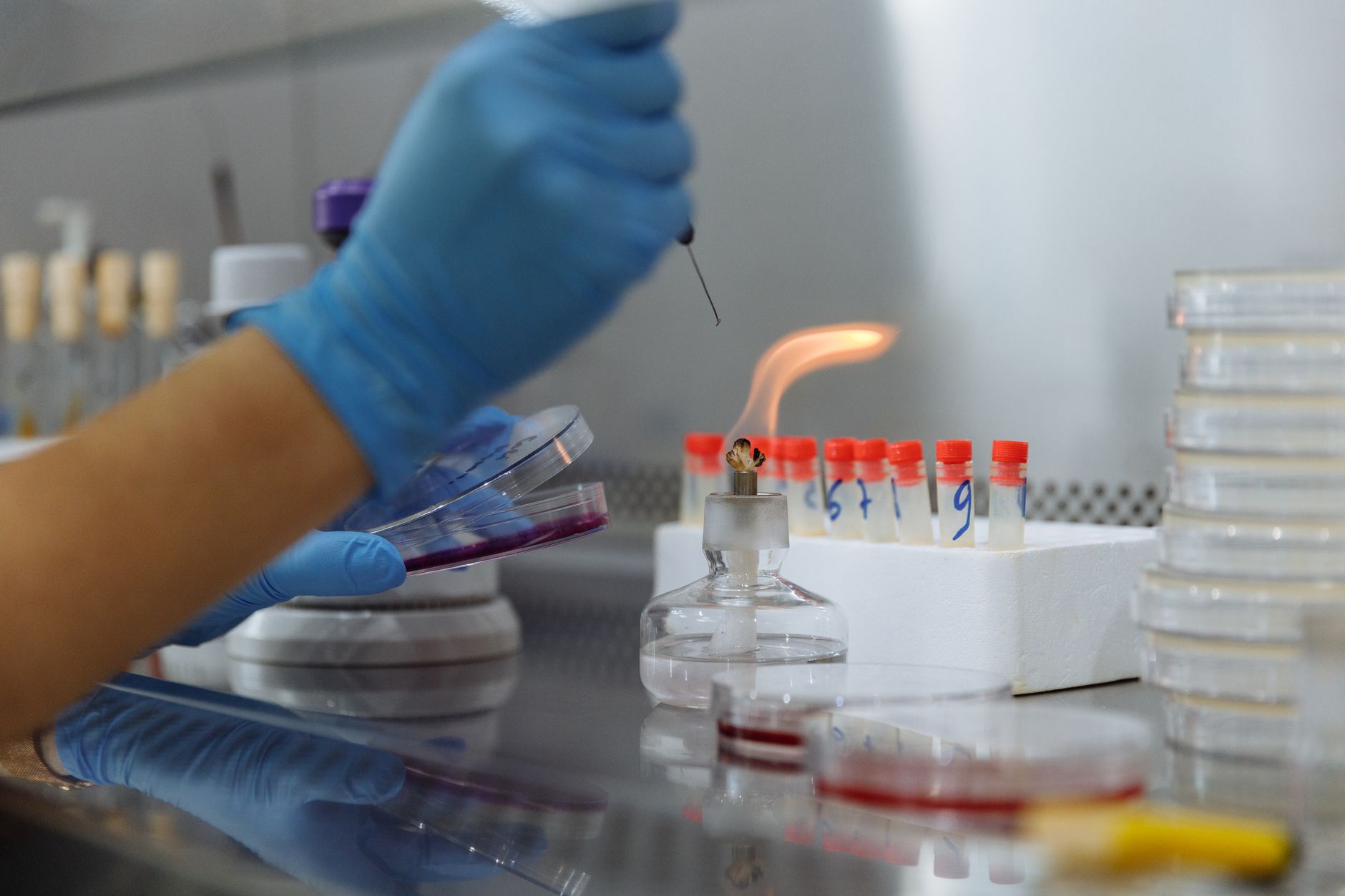
At the golden jubilee celebrations of Gulbarga University, MLA Gadde Ramamohan delivered a speech that underscored the pivotal roles microbiology and technology play in achieving sustainable development and ensuring biosafety. His remarks, though delivered in the celebratory context of an anniversary, carried weighty implications for policy and practice alike.
Microbiology, often relegated to the backbenches of scientific fame, has found its moment in the spotlight. Far from being mere agents of disease, microbes hold the keys to numerous ecological and industrial solutions. Microorganisms have been quietly revolutionising the fields of agriculture and energy, offering sustainable means to enhance crop yields and produce biofuels. Research into microbial applications could pave the way for a 'green bioeconomy', a term that has gained traction amidst global climate conversations.
The Technological Edge
Equally important is the role of technology in harnessing these microscopic marvels. Advances in genomic sequencing and biotechnology have unlocked new potentials, allowing for precise manipulation of microbial processes. This isn't just science fiction; it's the cutting edge of agricultural and environmental conservation efforts. By utilising technology, researchers can enhance soil health, reduce reliance on chemical fertilisers, and improve water quality, thus addressing several United Nations Sustainable Development Goals (SDGs) simultaneously.
As Ramamohan pointed out, the integration of microbiology and technology is not merely a scientific endeavour but a necessary strategy for biosafety. The COVID-19 pandemic served as a stark reminder of the vulnerabilities inherent in our interconnected world. Investing in microbial research could bolster defences against future pandemics and bio-threats, offering a more secure future.
Investment Imperative
The MLA's address called for increased investment in these fields, urging both governmental and private sectors to channel resources towards research and development. This is not just about economic gain, but about securing a sustainable and resilient future. The potential benefits of these investments are vast, from reducing agricultural waste to developing new medicines and biodegradable materials.
In conclusion, as the world grapples with the dual challenges of climate change and global health threats, the insights offered by Ramamohan at Gulbarga University emphasise an essential truth: the path to sustainability and security lies in the microscopic and the technological. It is a call to action for policymakers, researchers, and industries to collaborate and forge a future where the tiniest organisms could be our greatest allies.