Modi's Corporate Affection: The Environmental Cost
The echoes of chainsaws and bulldozers have become a familiar sound in India's forests, as the Modi government continues its push for rapid industrialisation. While economic growth is an undeniable priority for any developing nation, the environmental cost of such development is becoming increasingly difficult to ignore.
Under the current administration, there has been a marked increase in the clearing of files for development projects, often in ecologically sensitive areas. Critics argue that this corporate tilt is driven by the desire to court big business, but at what expense?
The Corporate-Environment Dilemma
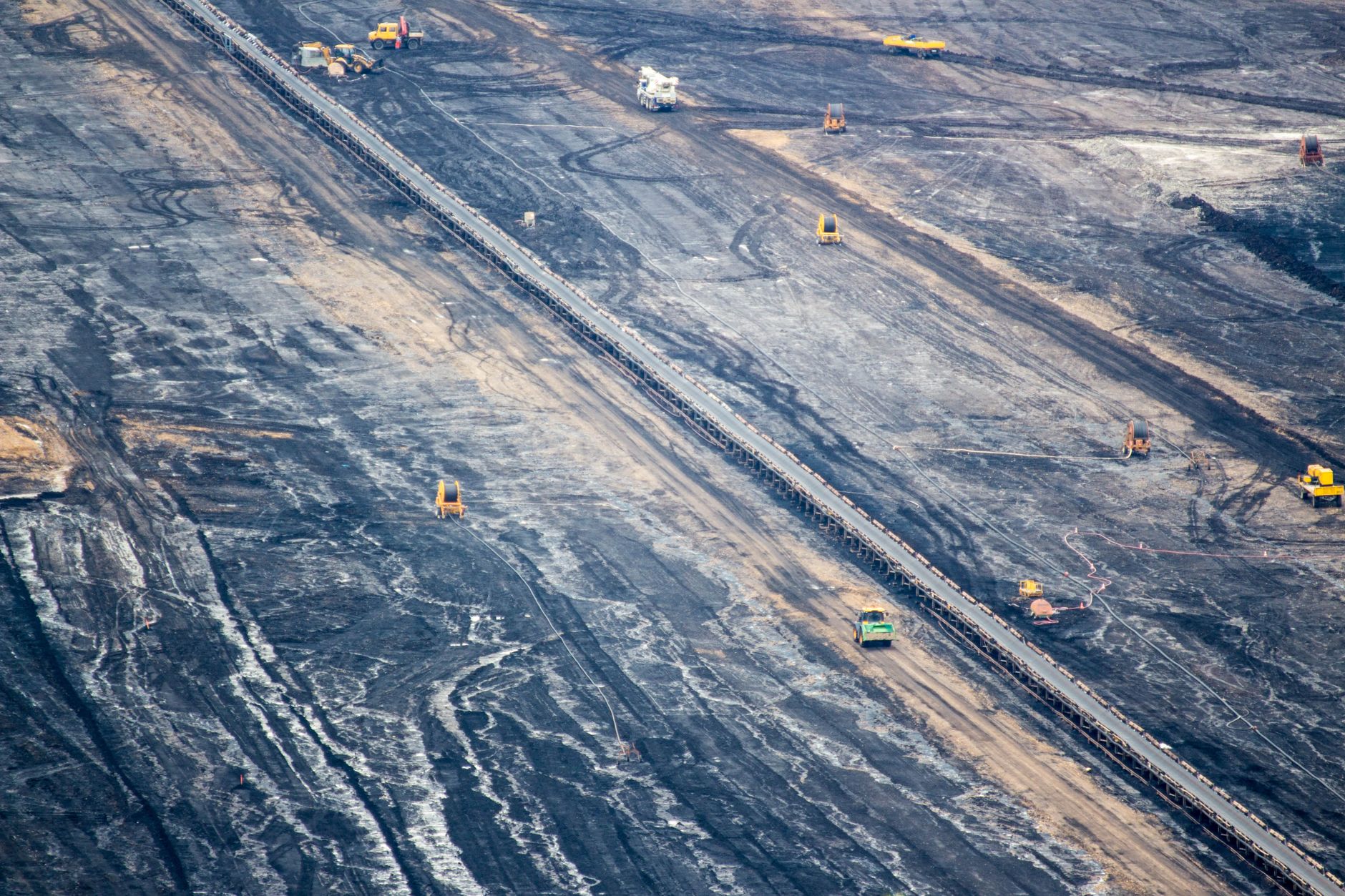
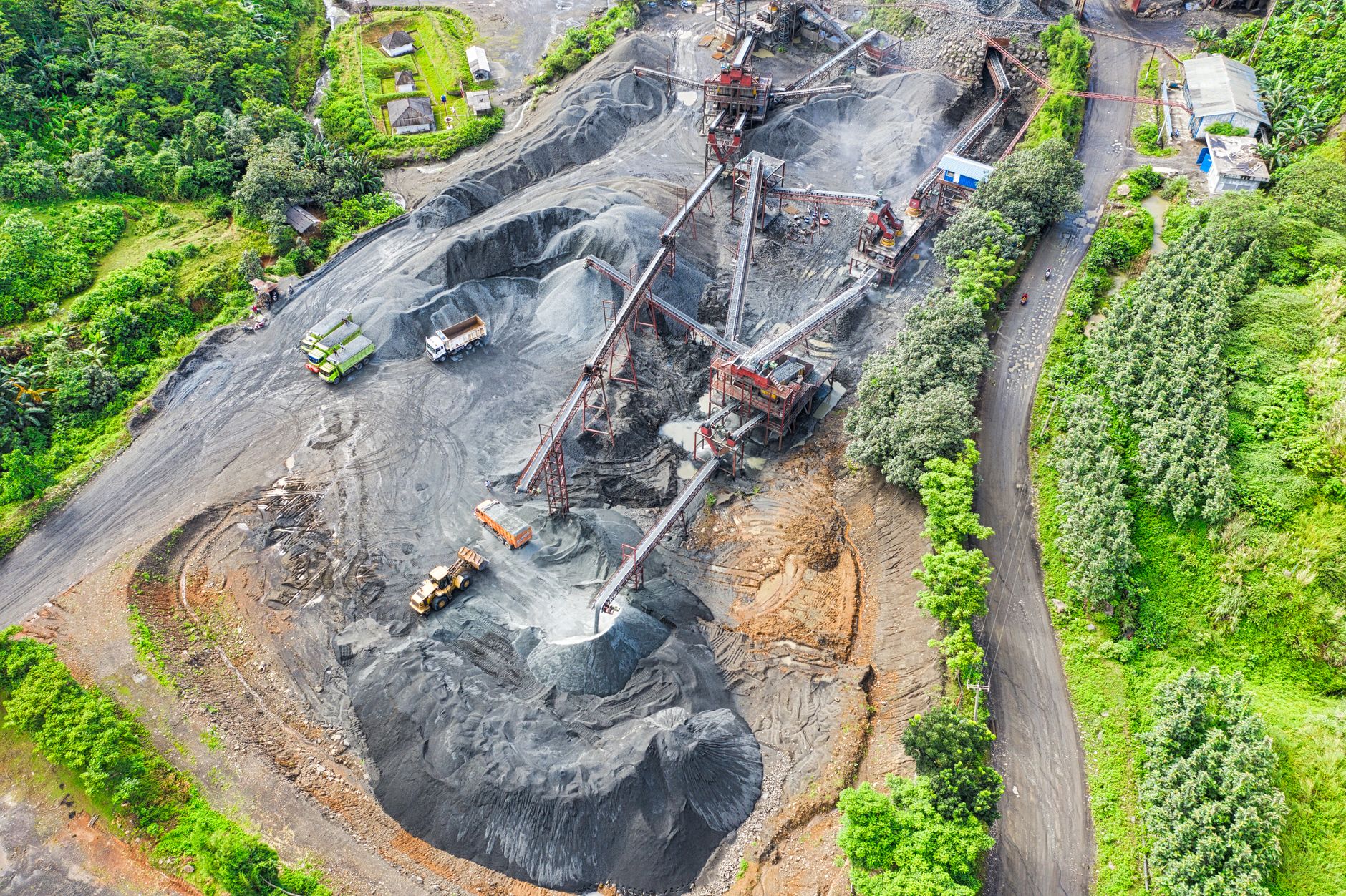
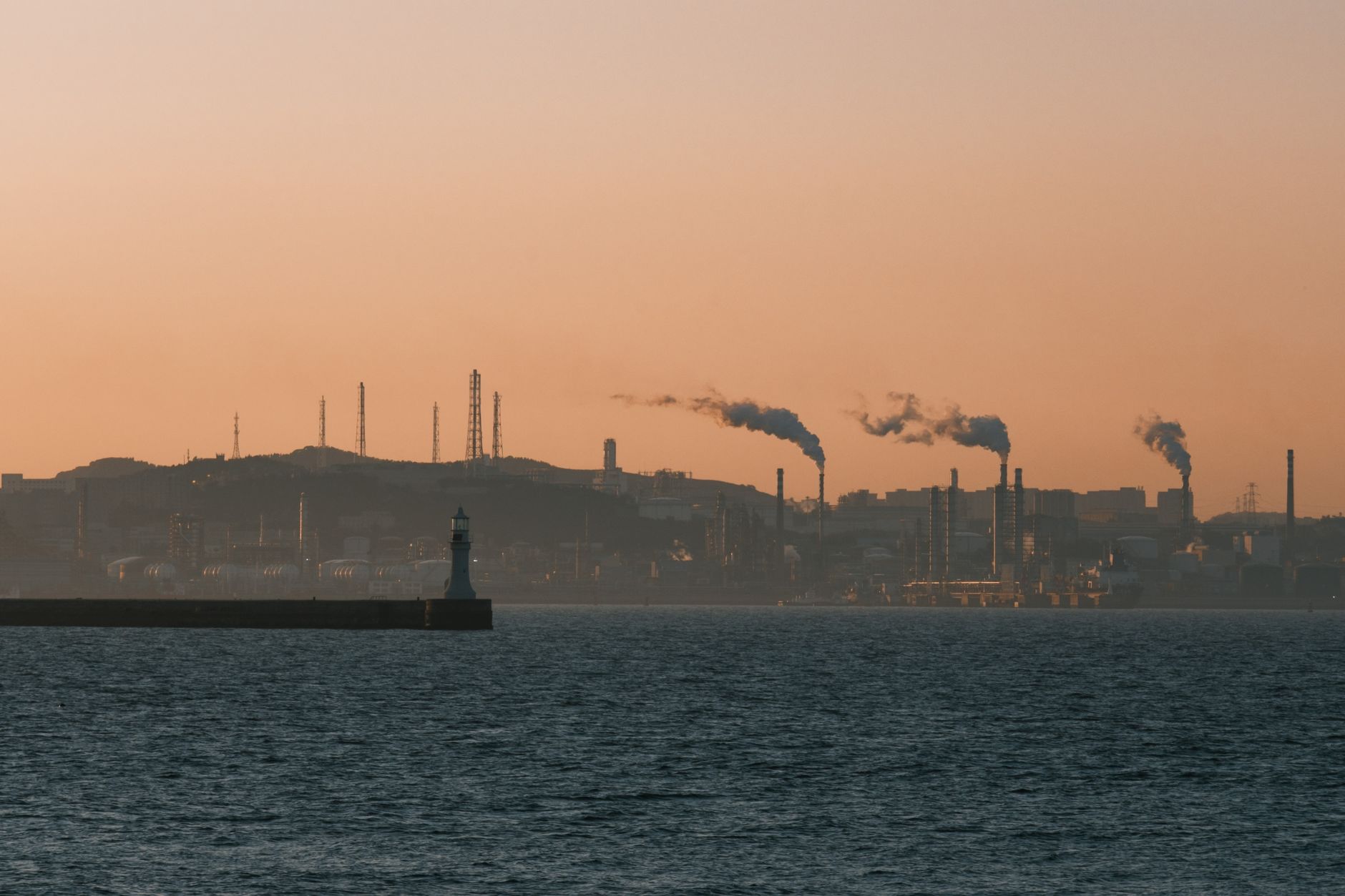
The Indian government's policies have been increasingly perceived as favouring corporate interests, especially in sectors like mining, infrastructure, and manufacturing. These industries, while vital for economic growth, frequently require vast tracts of land — often at the cost of forests and local habitats.
Environmentalists have raised alarms over the reduction in green cover. The impact on biodiversity and the displacement of indigenous communities who depend on these forests for their livelihood are concerns that have yet to be fully addressed.
The Price of Progress
While proponents of the government's policies argue that economic development can lead to improved living standards and poverty alleviation, the long-term environmental costs are a stark reminder of the delicate balance required.
India's commitment to international climate goals also comes under scrutiny as more land is cleared for development. The delicate dance between development and environmental conservation is not unique to India, but the scale and speed at which it is happening here present unique challenges.
As the government continues to navigate these waters, the question remains: who truly pays the price for progress?